Eggs Benedict
Poached eggs and ham on a toasted muffin under a blanket of hollandaise. The sauce is the whole game, and the blender method makes it much easier to get right.

Photograph credit: Burger, fries, and eggs benedict - La Tessa by Andy Li · CC0 · Wikimedia Commons
Don't Make These Mistakes
Sieving the eggs before poaching is the single trick that separates neat from ragged.
If the hollandaise splits, blend a fresh yolk with a teaspoon of hot water and drizzle the broken sauce into it.
Poach the eggs up to a day ahead and hold them in cold water; reheat for 45 seconds in hot water to serve.
How to Make Eggs Benedict
Tap a step to highlight it, or turn on Cook Mode for large type and step-by-step focus.
-
Melt the butter until hot and foaming — it needs to be around 90°C / 194°F to cook the yolks as it goes in.
-
Blend the egg yolks, lemon juice, vinegar, salt and cayenne on high for 20 seconds until pale.
-
With the blender running, pour the hot butter in a very thin, steady stream through the lid opening. It should take 45 to 60 seconds and the sauce will thicken visibly.
-
Taste and adjust with lemon and salt, then transfer to a bowl and keep somewhere warm, not hot — a thermos works well.
-
Bring a wide pan of water to a bare simmer, about 85°C / 185°F, and add the vinegar. Never let it boil.
-
Crack each egg into a fine sieve first, letting the loose watery white drain away — this is the secret to neat poached eggs.
-
Slide the eggs into the water, one at a time, and poach for 3 minutes for a runny yolk. Lift out with a slotted spoon onto kitchen paper.
-
Toast and butter the muffin halves and warm the ham in a dry pan for a minute a side.
-
Build each muffin with ham, a poached egg and a generous spoonful of hollandaise. Finish with chives and a pinch of cayenne.
Something wrong or unclear in this recipe? Report a problem with this recipe.
What's Going On Here
Hollandaise is an emulsion of butter in egg yolk, stabilised by lecithin, and it splits when the butter goes in too fast or the mixture exceeds about 65°C / 149°F. A blender solves both problems: it shears the butter into tiny droplets and the yolks are warmed only by the butter itself, never by direct heat.
Leftovers, Reheating and Keeping
Hollandaise does not store well — it separates when chilled and cannot be safely reheated. Make it fresh.
Common Substitutions & Variations
- A dry vermouth keeps for longer than an open bottle of white wine and is the closer swap than a random white left in the fridge; for an alcohol-free version, use the same amount of stock with a squeeze of lemon.
What to Serve Alongside
- A glass of Champagne, or a Bloody Mary
- Serve with roasted tomatoes and wilted spinach
- Follow with fresh fruit
Nutrition per Serving
No nutrition figures are given for this recipe: they cannot be worked out reliably from its ingredient list (some ingredient lines cannot be read). Why some recipes have none.
Your notes on this recipe
Cooked this? Keep a note for next time
Compiled by Turab
Checked by script for timings, diet labels and nutrition arithmetic. How the recipes are checked. Found a mistake? Tell us.
First published ; last changed .
You Might Also Like
More American cooking and breakfast ideas from Weekly Delight.
Eggs Sardou
Poached eggs on creamed spinach and artichoke bottoms, topped with hollandaise sauce, a classic New Orleans breakfast.

Steak and Eggs
A seared sirloin steak with two fried eggs, basted with butter in the same pan. The American diner and ranch…

Breakfast Sandwiches
Soft rolls filled with a fried egg, crisp bacon and melted cheese, built in minutes and eaten hot.
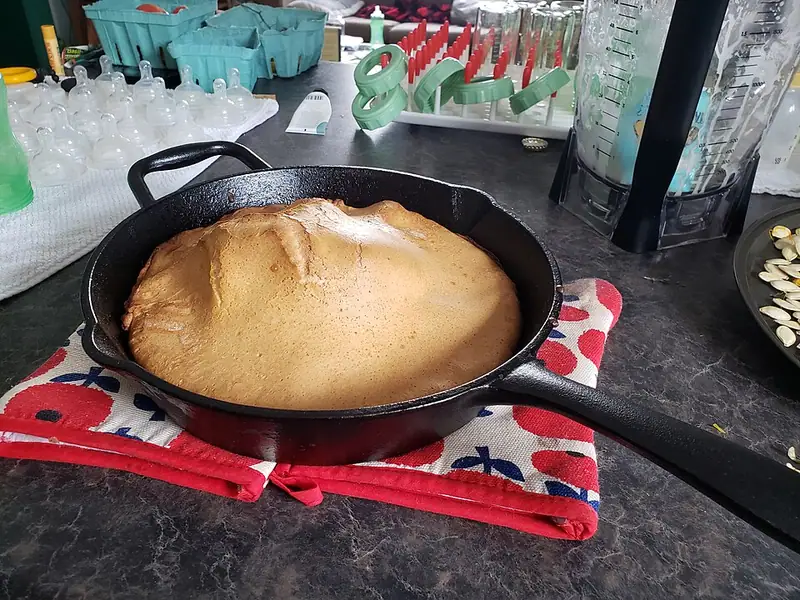
Dutch Baby Pancake
A single enormous pancake that climbs the sides of a screaming-hot skillet in the oven and collapses within a minute…
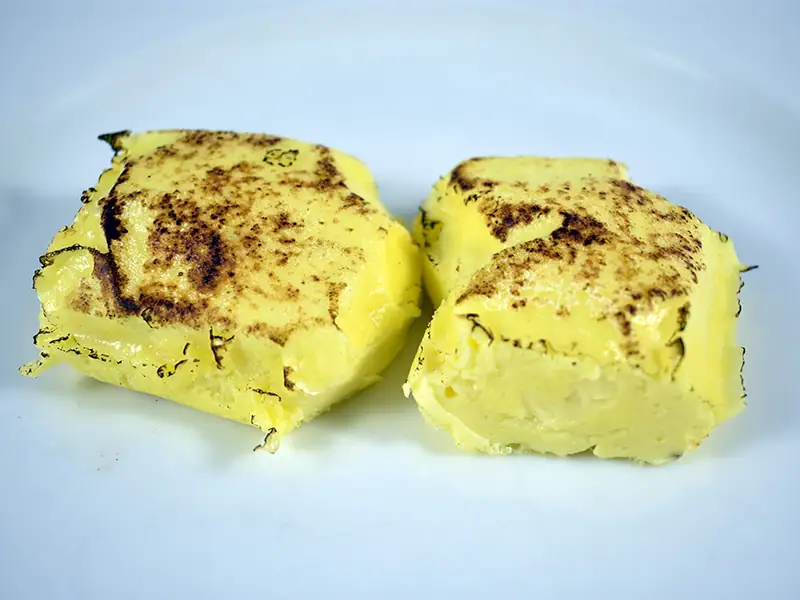
Bacon and Cheddar Egg Bites
Cooked in a bain-marie so they set like custard rather than scrambling into rubber. Twelve of them, and they reheat…
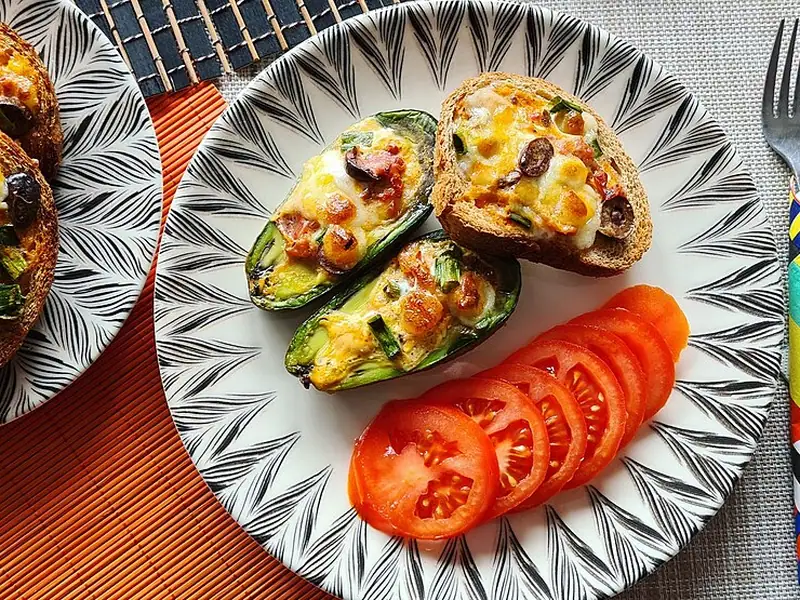

Baked Avocado Eggs
An egg baked in the hollow of an avocado half, which sounds like a magazine idea and works because of one…