Buta no Kakuni
Pork belly simmered for two and a half hours in dashi, soy and sake until a chopstick passes through it without resistance and the fat has turned translucent. Nagasaki's contribution to the braise.
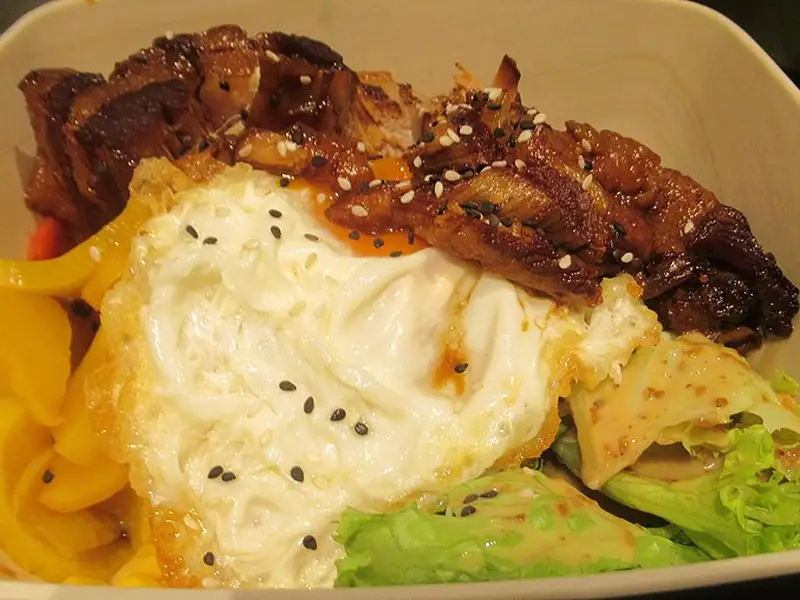
Photograph credit: Kakuni 角煮 Donburi Solaire Resort North6 by Unknown · CC BY-SA 4.0 · Wikimedia Commons · this resized copy is shared under the same licence

Photograph credit: Kakuni 角煮 Donburi Solaire Resort North meals7 by Unknown · CC BY-SA 4.0 · Wikimedia Commons · this resized copy is shared under the same licence
Method
Tap a step to highlight it, or turn on Cook Mode for large type and step-by-step focus.
-
Cut the belly into 5 cm squares.
-
Put them in a pot with cold water to cover, the rice or leek tops and the ginger. Bring to the boil and simmer 60 minutes.
-
Drain and rinse each piece under warm water to wash away the scum. Discard the cooking water entirely.
-
Return the pork to a clean pot with the dashi, soy, sake, mirin, sugar, ginger and spring onions.
-
Bring to a bare simmer and lay a circle of baking paper directly on the surface as a drop lid.
-
Cook 90 minutes on the lowest possible heat, turning the pieces once at the halfway point.
-
Test with a chopstick: it should pass through the belly with no resistance at all.
-
Cool completely in the liquid, then refrigerate overnight and lift the set fat off the top.
-
Reheat gently, adding the peeled eggs for the last 15 minutes to colour them. Serve with a dab of karashi and blanched greens.
Chef’s Tips
- The hour-long pre-boil is what makes this rich instead of greasy. Do not skip it.
- Overnight in the liquid, then skim. Both the flavour and the texture depend on that rest.
- A chopstick, not a knife, is the doneness test — it should meet nothing at all.
Common Substitutions & Variations
- Out of spring onions? A small regular onion, finely sliced, or a few chives stirred in at the end both cover the job.
- A quarter-teaspoon of ground ginger per tablespoon of fresh is the standard ratio if you are working from the spice rack rather than a fresh root.
Pairing Suggestions
- Steamed rice and blanched greens
- Cold sake or a light beer
- Karashi mustard, generously
Storage & Reheating
Refrigerate up to 4 days in its liquid; it improves. Freezes 2 months. Reheat gently.
Common questions
How long does Buta no Kakuni take to make?
About 2 hours 50 minutes of hands-on work — 20 minutes of preparation and 2 hours 30 minutes of cooking — plus 8 hours of chilling, so allow 10 hours 50 minutes from start to finish. The recipe serves 4.
What are the key tips for making Buta no Kakuni?
The hour-long pre-boil is what makes this rich instead of greasy. Do not skip it. Overnight in the liquid, then skim. Both the flavour and the texture depend on that rest. A chopstick, not a knife, is the doneness test — it should meet nothing at all.
What should I serve with Buta no Kakuni?
Steamed rice and blanched greens; Cold sake or a light beer; Karashi mustard, generously.
Can Buta no Kakuni be made ahead or frozen?
Refrigerate up to 4 days in its liquid; it improves. Freezes 2 months. Reheat gently.
Is Buta no Kakuni suitable for a special diet?
This recipe is dairy-free, high-protein and low-carb. Those labels are checked against the ingredient list, so a dish is only marked when nothing in it contradicts the claim.
How many calories are in Buta no Kakuni?
About 812 kcal per serving, with 34 g protein, 18 g carbohydrate and 66 g fat. The figures are calculated from the ingredient list and are an estimate.
Nutritional Highlights
Per serving, calculated from the ingredient list. Treat these as an estimate — brands and cuts vary.
Reader Reviews
Cooked this? Leave a review
Written and tested by Turab
One person, one kitchen — no test kitchen, no team. How every recipe on this site is checked before it goes up.
Related Recipes
More Japanese cooking and dinner ideas from Weekly Delight.
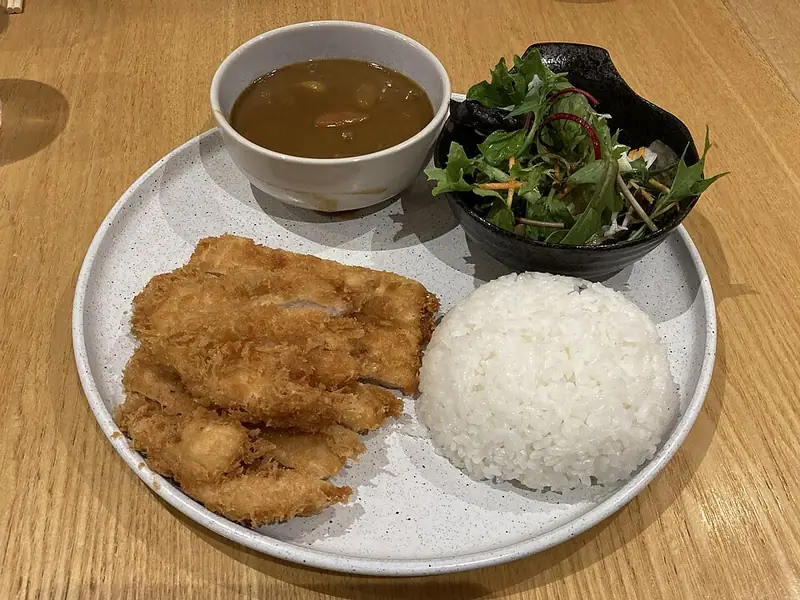
Katsu Curry
A breaded cutlet sliced over rice and flooded with Japanese curry sauce — thicker, sweeter and darker than an Indian…
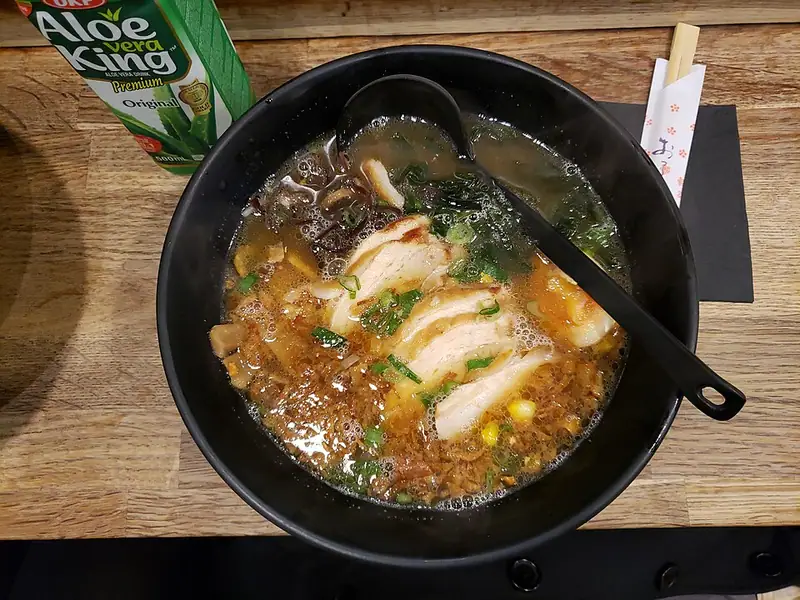
Tonkotsu Ramen
The milky, collagen-heavy pork broth that made Hakata famous, boiled hard for eight hours until the fat and gelatine…
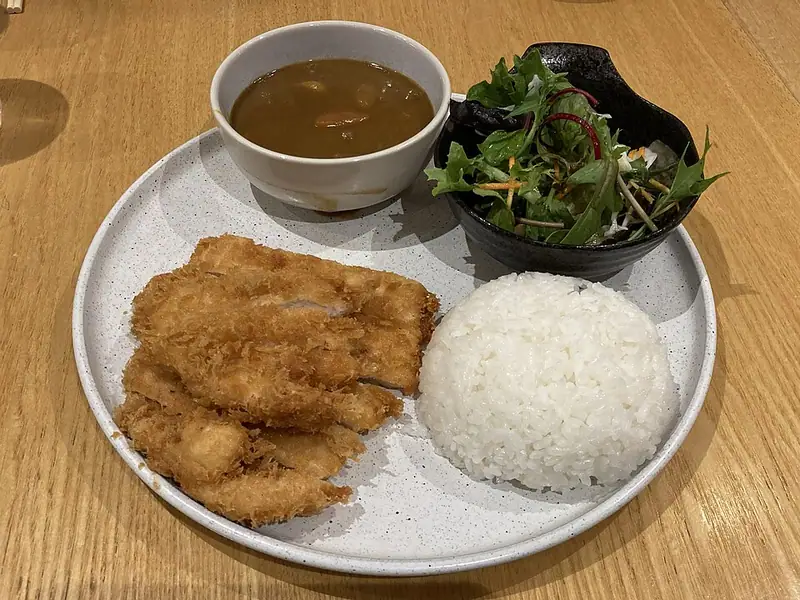
Chicken Katsu Curry
Japan's favourite comfort food: a panko-crusted chicken cutlet sliced over rice and flooded with a thick, gently…


Chicken Karaage
Japan's definitive fried chicken: thigh meat marinated in soy, sake and ginger, dusted in potato starch and fried…