Strawberry Daifuku Mochi
Ichigo daifuku: a whole strawberry wrapped in sweet red bean paste and encased in soft, dusted mochi. Made in a microwave in eight minutes, which would horrify a traditional mochi pounder and works perfectly.
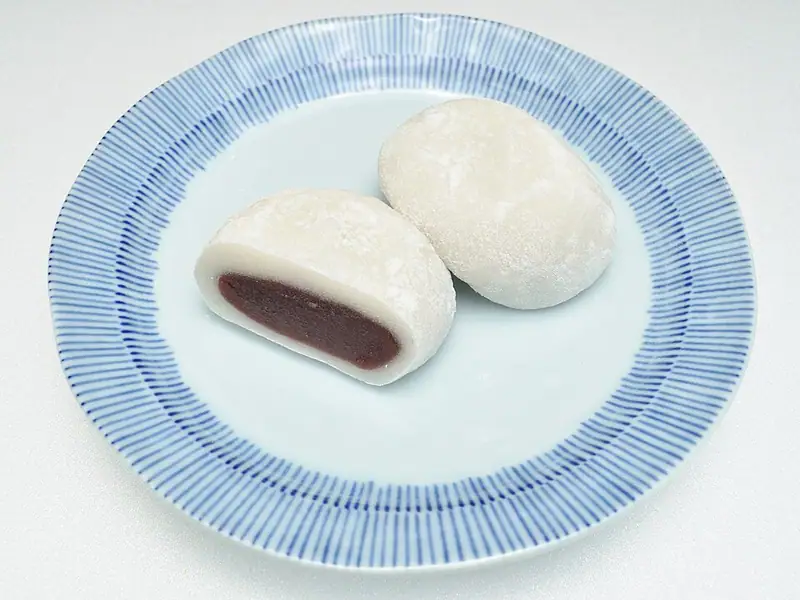
Photograph credit: Daifuku 001 by Ocdp · CC0 · Wikimedia Commons
What Goes With It
- Matcha or sencha green tea
- A plate of seasonal fruit
- Hojicha, for something less grassy
How to Cook Strawberry Daifuku Mochi
Tap a step to highlight it, or turn on Cook Mode for large type and step-by-step focus.
-
Divide the bean paste into 8 portions. Flatten each into a disc in your palm, set a strawberry point-up in the middle, and mould the paste up around it, leaving the tip exposed or fully covered as you prefer. Chill.
-
Whisk the rice flour and sugar in a microwave-safe bowl, then whisk in the water until completely smooth.
-
Cover with cling film and microwave on full power for 1 minute. Stir hard with a wet spatula.
-
Microwave 1 minute more, stir again — it will be lumpy and thick — then a final 30 to 60 seconds until the dough is translucent and uniformly sticky.
-
Beat the hot dough against the side of the bowl for 60 seconds with a wet spatula until it is glossy and elastic.
-
Dust a work surface heavily with potato starch, tip the dough out, dust the top, and pat it into a 20 cm square. Cut into 8 pieces.
-
Take a piece, stretch it into a disc in your dusted palm, set a bean-wrapped strawberry point-down in the centre, and gather the mochi up over the base, pinching it closed.
-
Set seam-side down, brush off the excess starch with a pastry brush, and serve the same day at room temperature.
Something wrong or unclear in this recipe? Report a problem with this recipe.
Notes From the Method
Keep your hands and tools wet while the dough is hot, and dusted with starch once it is on the bench. Swapping the two makes a terrible mess.
Shiratamako gives a noticeably better texture than generic glutinous rice flour if you can find it.
Brush the excess starch off before serving — it looks better and the mouthfeel is cleaner.
Storing and Reheating
Eat within a day. Mochi hardens in the fridge, so keep it at cool room temperature in an airtight box, and never refrigerate it if you can avoid it.
The Numbers per Serving
No nutrition figures are given for this recipe: they cannot be worked out reliably from its ingredient list (some ingredient lines cannot be read). Why some recipes have none.
Your notes on this recipe
Cooked this? Keep a note for next time
Compiled by Turab
Checked by script for timings, diet labels and nutrition arithmetic. How the recipes are checked. Found a mistake? Tell us.
First published ; last changed .
You Might Also Like
More Japanese cooking and desserts ideas from Weekly Delight.
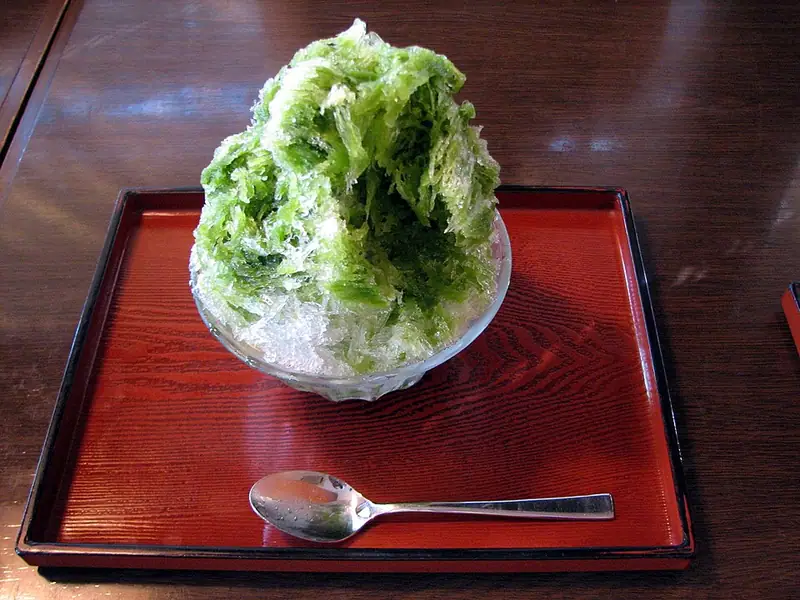
Kakigori
Japanese shaved ice made from frozen water blocks and shaved fine as snow, topped with a fresh strawberry syrup…
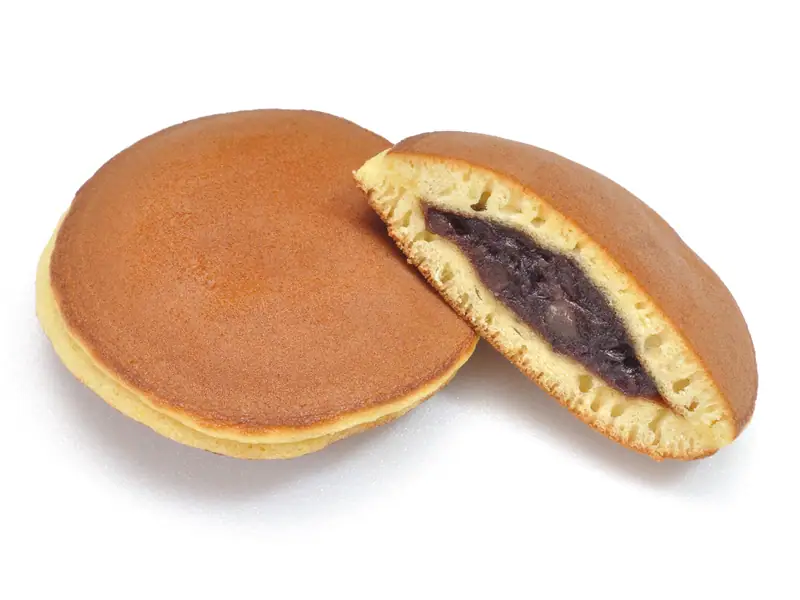
Dorayaki
Two honey-sweetened pancakes sandwiching a layer of sweet red bean paste — Doraemon's favourite food and a Japanese…
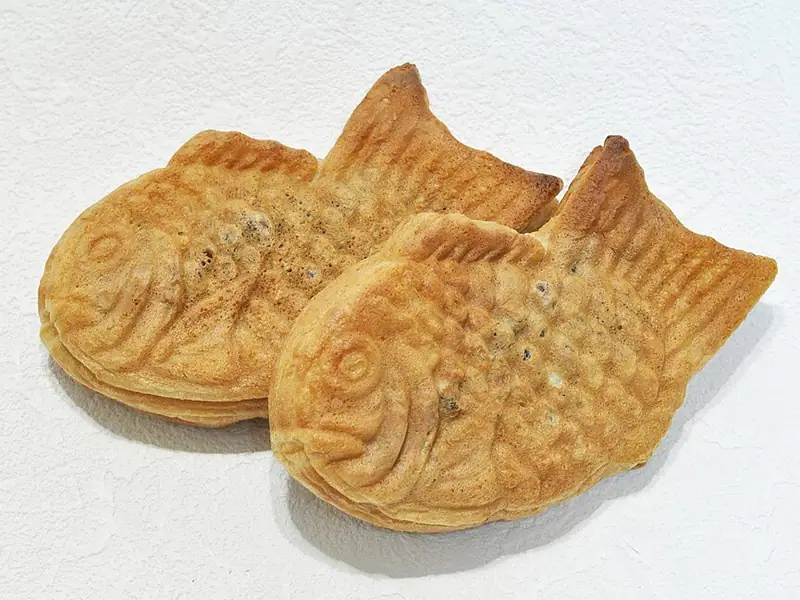
Taiyaki
Fish-shaped Japanese cakes of sweet batter cooked for 20 minutes in a hot mould and filled with melted chocolate or…

Matcha Ice Cream
A Japanese green tea ice cream made from a custard base whisked with ceremonial matcha, chilled for 4 hours and…
Rote Grutze
A German pudding of red berries thickened with cornflour and served cold with vanilla sauce or cream, ready in 25…


Strawberry Sorbet
Frozen strawberries blended with lime and a little maple syrup into a smooth sorbet, with no ice cream machine. Four…