Ramen Eggs
Soft-boiled eggs with jammy yolks, peeled and steeped in a sweet soy and mirin marinade until the whites turn a glossy brown. The topping for a bowl of ramen.
Before You Start
Time the boil exactly and put the eggs in the ice water the moment it ends. Thirty seconds either way is the difference between jammy and hard.
Cool the marinade fully before adding the eggs. A warm marinade keeps cooking them, and the yolk sets.
Cut the eggs in half with a length of thread or dental floss. A knife smears the soft yolk, but thread slices straight through.
Making Ramen Eggs
Tap a step to highlight it, or turn on Cook Mode for large type and step-by-step focus.
-
Bring a saucepan of water to a rolling boil. Lower the eggs in gently with a spoon and boil for 6 minutes 30 seconds for a jammy yolk.
-
Meanwhile, heat the soy sauce, mirin, water, sugar, garlic and ginger in a small pan until the sugar dissolves and it just reaches a simmer. Take it off the heat and let it cool completely.
-
Lift the eggs into a bowl of ice water and leave for 5 minutes. Tap and peel them carefully under a thin stream of cold water.
-
Put the peeled eggs in a narrow container or a zip-lock bag and pour in the cooled marinade, so that it covers as much of each egg as possible. Refrigerate for 4 hours, turning the eggs once.
-
Lift the eggs out, halve them with a wet knife or a piece of thread and serve on ramen, rice or on their own.
Why the Method Works
Ramen eggs, called ajitsuke tamago or ajitama in Japanese, are the seasoned eggs that sit on top of a bowl of ramen. The egg is boiled just long enough for the white to set and the yolk to stay soft and jammy, like a thick custard, and then steeped in a mixture of soy sauce, mirin and water, so that the white turns a glossy brown and takes on a sweet, savoury flavour and the yolk is lightly seasoned at the edge. It is a topping that makes a bowl of noodles look and taste finished, but the eggs are also good on their own, halved as a snack, on top of rice, or in a sandwich. The timing is the whole skill. Six and a half minutes in boiling water gives a jammy yolk, seven minutes gives one that is slightly firmer, and an ice bath stops the cooking straight away and makes the eggs easier to peel. The marinade does not need to cover the eggs if they are packed into a small container or a plastic bag, which saves a lot of soy sauce. Leave them for four hours for a light flavour, or overnight for a deeper one, but not much longer, because the yolks firm up and the whites turn salty.
After You've Cooked It
Keep the eggs in their marinade in the fridge for up to 3 days. The yolks firm up a little each day. Do not freeze.
Changing the Recipe
- A quarter-teaspoon of ground ginger per tablespoon of fresh is the standard ratio if you are working from the spice rack rather than a fresh root.
- An eighth of a teaspoon of garlic powder per clove is the usual stand-in when you are out of fresh garlic — it will not caramelise the same way, but it carries the flavour.
What to Serve Alongside
- Ramen
- Steamed rice
- Spring onions
Common Questions About Ramen Eggs
How long does Ramen Eggs take to make?
About 20 minutes of hands-on work — 10 minutes of preparation and 10 minutes of cooking — plus 4 hours of Marinating, so allow 4 hours 20 minutes from start to finish. The recipe serves 6.
What are the key tips for making Ramen Eggs?
Time the boil exactly and put the eggs in the ice water the moment it ends. Thirty seconds either way is the difference between jammy and hard. Cool the marinade fully before adding the eggs. A warm marinade keeps cooking them, and the yolk sets. Cut the eggs in half with a length of thread or dental floss. A knife smears the soft yolk, but thread slices straight through.
What should I serve with Ramen Eggs?
Ramen; Steamed rice; Spring onions.
Can Ramen Eggs be made ahead or frozen?
Keep the eggs in their marinade in the fridge for up to 3 days. The yolks firm up a little each day. Do not freeze.
Is Ramen Eggs suitable for a special diet?
This recipe is vegetarian, dairy-free, low-carb and keto. Those labels are checked against the ingredient list, so a dish is only marked when nothing in it contradicts the claim.
How many calories are in Ramen Eggs?
About 81 kcal per serving, with 7 g protein, 2 g carbohydrate and 5 g fat. The figures are calculated from the ingredient list and are an estimate.
The Numbers per Serving
Per serving, calculated from the ingredient list. Treat these as an estimate — brands and cuts vary.
Reader Reviews
Cooked this? Leave a review
Written and tested by Turab
One person, one kitchen — no test kitchen, no team. How every recipe on this site is checked before it goes up.
Related Recipes
More Japanese cooking and appetizers ideas from Weekly Delight.
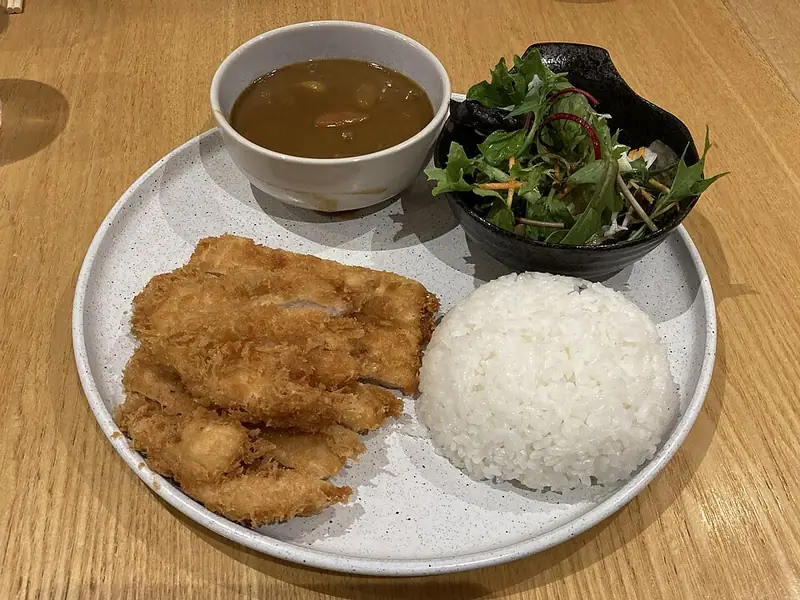
Katsu Curry
A breaded cutlet sliced over rice and flooded with Japanese curry sauce — thicker, sweeter and darker than an Indian…
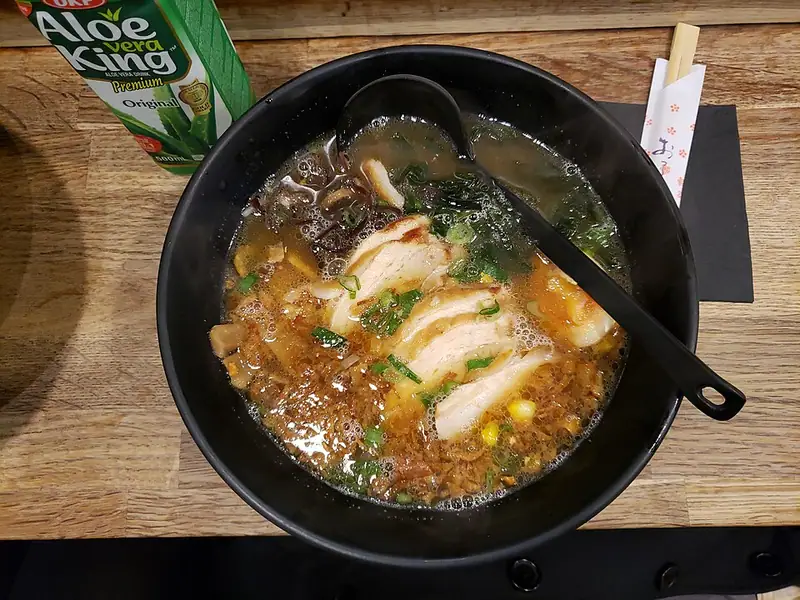
Tonkotsu Ramen
The milky, collagen-heavy pork broth that made Hakata famous, boiled hard for eight hours until the fat and gelatine…
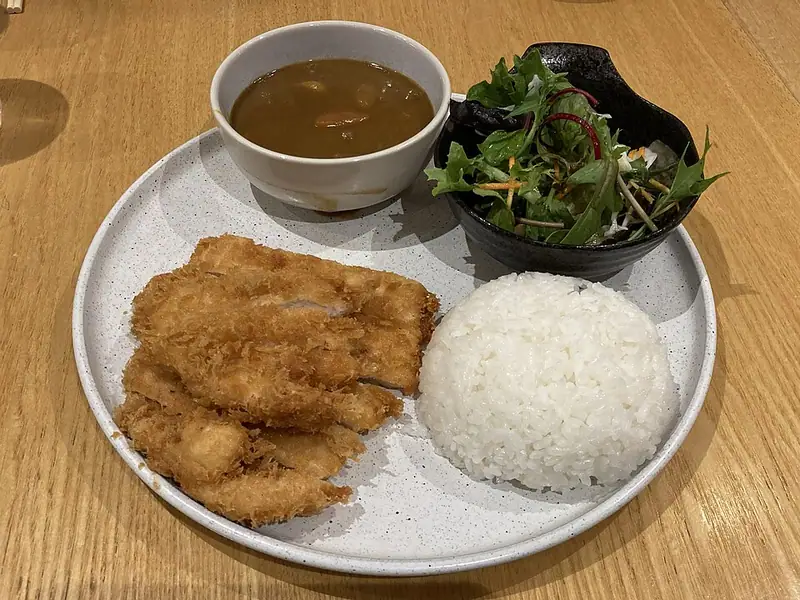
Chicken Katsu Curry
Japan's favourite comfort food: a panko-crusted chicken cutlet sliced over rice and flooded with a thick, gently…
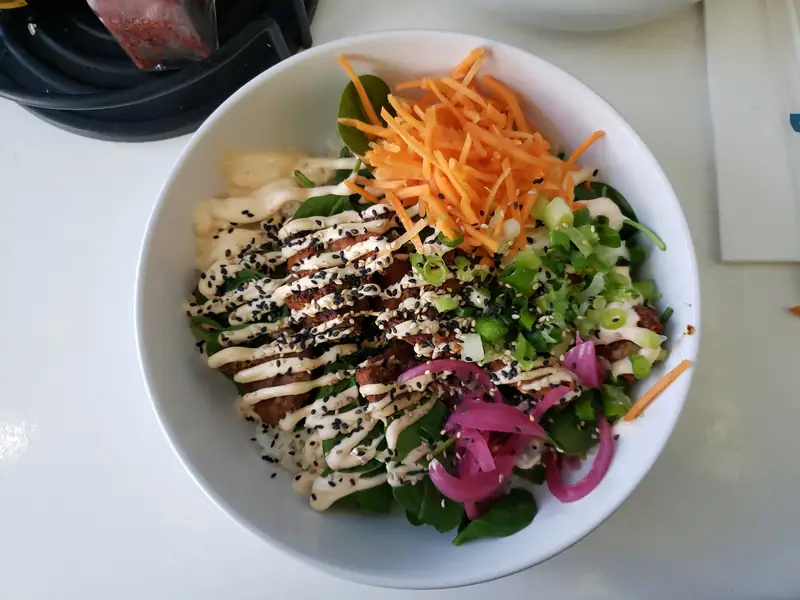
Chicken Karaage
Japan's definitive fried chicken: thigh meat marinated in soy, sake and ginger, dusted in potato starch and fried…