Tamagoyaki
Sweet rolled omelette built from a dozen thin layers, cooked in a rectangular pan and rolled onto itself again and again. The bento staple, the sushi counter's final test, and the hardest simple thing in Japanese cooking.
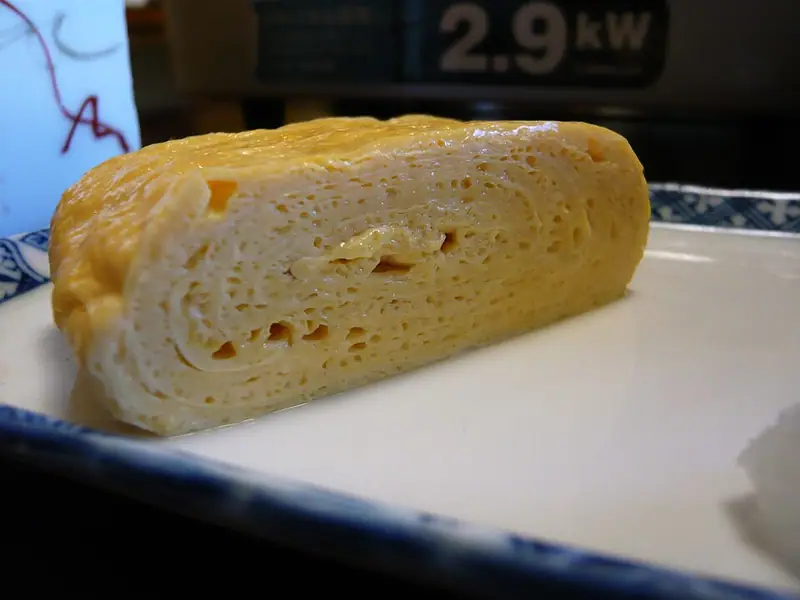
Photograph credit: Tamagoyaki (3099935773) by Jessica Spengler from Brighton, United Kingdom · CC BY 2.0 · Wikimedia Commons
Method
Tap a step to highlight it, or turn on Cook Mode for large type and step-by-step focus.
-
Beat the eggs with the dashi, mirin, sugar, soy and salt, then strain through a sieve to remove the chalazae and any lumps.
-
Heat a rectangular tamagoyaki pan, or a small square frying pan, over medium-low heat. Oil it with a folded paper towel and keep that towel to hand.
-
Test the heat with a drop of egg — it should sizzle faintly, not violently.
-
Pour in a thin layer of egg, about a fifth, and tilt to cover the base. Pop any bubbles with your chopsticks.
-
When the surface is set but still glossy, roll the egg away from you into a log at the far end of the pan.
-
Oil the exposed pan, pour in another thin layer, and lift the existing roll so the raw egg runs underneath it.
-
When that layer is just set, roll the log back over it towards you. Repeat until all the egg is used, alternating direction each time.
-
Turn out onto a bamboo mat, roll tightly and let it rest 3 minutes to square off, then slice into 2 cm blocks and serve with grated daikon.
Chef’s Tips
- A rectangular pan makes this dramatically easier, but a small round pan works if you trim the ends afterwards.
- If the egg browns, the pan is too hot. Lift it off the heat for twenty seconds rather than adjusting the dial.
- For dashimaki tamago, double the dashi and drop the sugar — a wetter, more savoury version served in Kyoto.
Pairing Suggestions
- Steamed rice and miso soup, as breakfast
- Inside a bento with pickles and rice
- Green tea
Storage & Reheating
Keeps 2 days refrigerated and is designed to be eaten cold or at room temperature, which makes it ideal for lunchboxes.
Common questions
How long does Tamagoyaki take to make?
About 15 minutes in total — 5 minutes of preparation and 10 minutes of cooking. The recipe serves 2.
What are the key tips for making Tamagoyaki?
A rectangular pan makes this dramatically easier, but a small round pan works if you trim the ends afterwards. If the egg browns, the pan is too hot. Lift it off the heat for twenty seconds rather than adjusting the dial. For dashimaki tamago, double the dashi and drop the sugar — a wetter, more savoury version served in Kyoto.
What should I serve with Tamagoyaki?
Steamed rice and miso soup, as breakfast; Inside a bento with pickles and rice; Green tea.
How should Tamagoyaki be stored?
Keeps 2 days refrigerated and is designed to be eaten cold or at room temperature, which makes it ideal for lunchboxes.
Is Tamagoyaki suitable for a special diet?
This recipe is dairy-free, low-carb and keto. Those labels are checked against the ingredient list, so a dish is only marked when nothing in it contradicts the claim.
How many calories are in Tamagoyaki?
About 186 kcal per serving, with 13 g protein, 5 g carbohydrate and 12 g fat. The figures are calculated from the ingredient list and are an estimate.
Nutritional Highlights
Per serving, calculated from the ingredient list. Treat these as an estimate — brands and cuts vary.
Reader Reviews
Cooked this? Leave a review
Written and tested by Turab
One person, one kitchen — no test kitchen, no team. How every recipe on this site is checked before it goes up.
Related Recipes
More Japanese cooking and breakfast ideas from Weekly Delight.
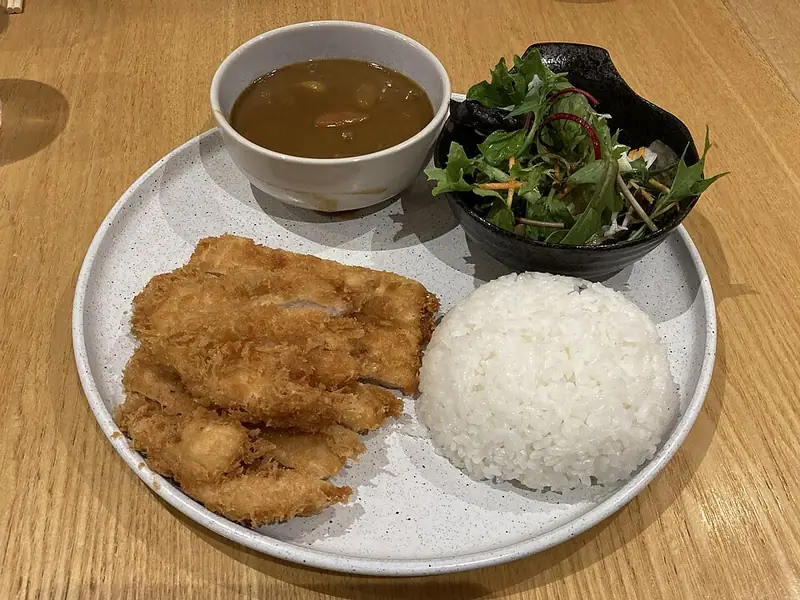
Katsu Curry
A breaded cutlet sliced over rice and flooded with Japanese curry sauce — thicker, sweeter and darker than an Indian…
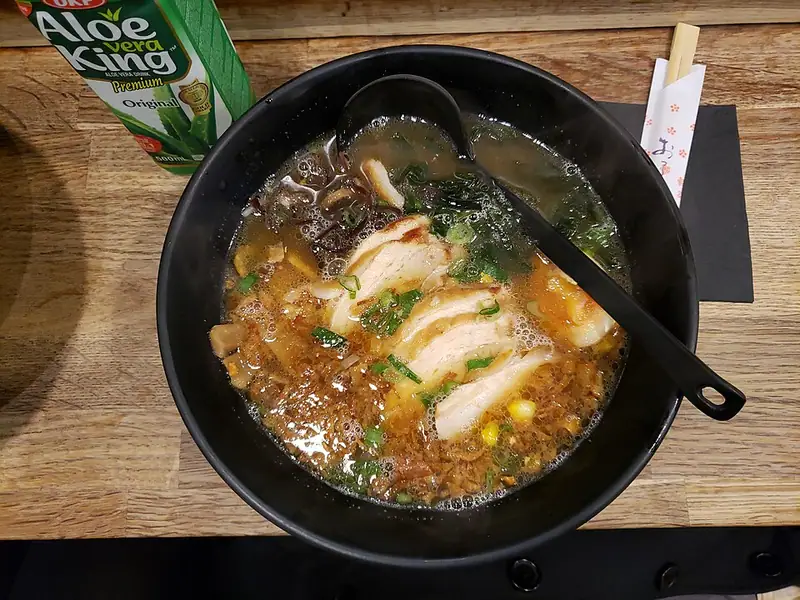
Tonkotsu Ramen
The milky, collagen-heavy pork broth that made Hakata famous, boiled hard for eight hours until the fat and gelatine…
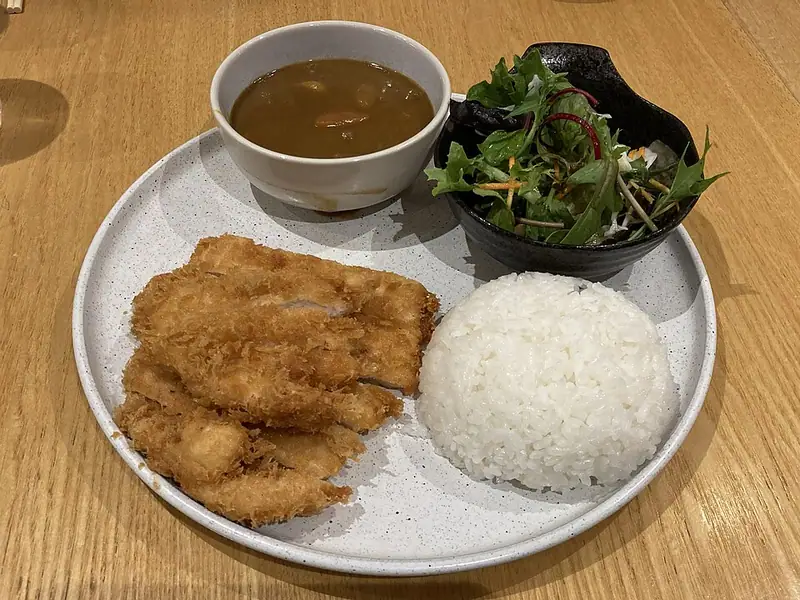
Chicken Katsu Curry
Japan's favourite comfort food: a panko-crusted chicken cutlet sliced over rice and flooded with a thick, gently…
.jpg)
Chicken Karaage
Japan's definitive fried chicken: thigh meat marinated in soy, sake and ginger, dusted in potato starch and fried…