Victoria Sponge
Two golden sponge layers with jam and cream between, dusted with caster sugar. Named for a queen who took it with her tea, and still the benchmark by which British home bakers are judged.
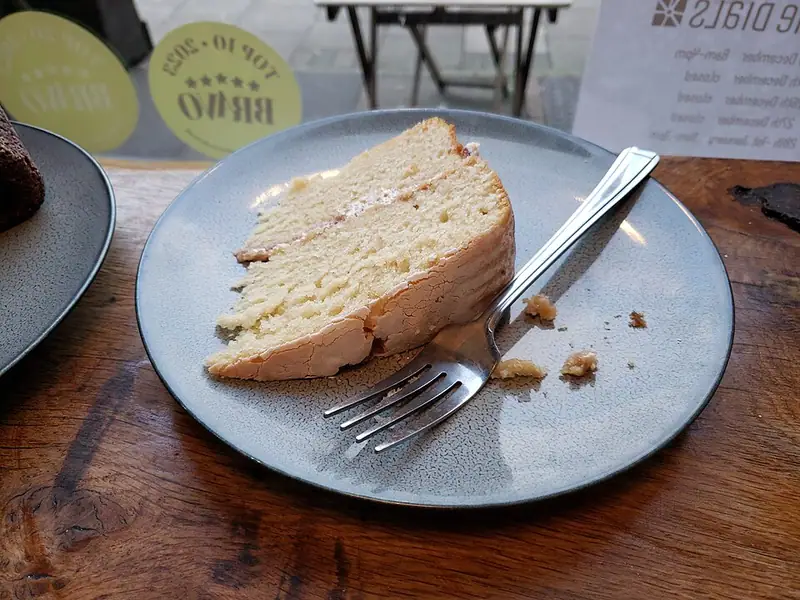
Photograph credit: A piece of Victoria Sponge - T @ The Dials 2024-01-06 by Andy Li · CC0 · Wikimedia Commons
Method
Tap a step to highlight it, or turn on Cook Mode for large type and step-by-step focus.
-
Heat the oven to 180°C / 350°F. Butter and line two 20 cm sandwich tins.
-
Beat the butter and sugar for 5 minutes until very pale and visibly increased in volume. This is the most important step in the recipe.
-
Add the eggs one at a time, beating well after each. If it looks like curdling, add a tablespoon of the flour.
-
Sift over the flour, baking powder and salt and fold in gently with a large metal spoon.
-
Fold in the milk and vanilla to a soft dropping consistency — the batter should fall from the spoon in 3 seconds.
-
Divide between the tins, weighing them for accuracy, and level the tops.
-
Bake 22 to 25 minutes until golden, springy to the touch and shrinking slightly from the sides.
-
Cool 5 minutes in the tins, then turn out onto a rack and cool completely.
-
Whip the cream with the icing sugar and vanilla to soft peaks. Spread jam on one layer, cream on top of it, sandwich with the second layer, and dust with caster sugar.
Chef’s Tips
- Everything at room temperature. Cold eggs curdle the creamed mixture and cost you the rise.
- Weigh the batter between the tins so the layers match. It is the mark of a well-made sponge.
- Dust with caster sugar, not icing sugar — that is the traditional finish.
Common Substitutions & Variations
- Double cream won't whip if you swap it, but for the cooking itself, full-fat crème fraîche or a lower-fat single cream works in its place.
- No self-raising flour to hand? Use the same weight of plain flour plus 2 teaspoons of baking powder per 150 g.
Pairing Suggestions
- A pot of strong tea
- Fresh strawberries
- A summer afternoon in a garden
Storage & Reheating
Unfilled sponges keep 2 days in a tin and freeze 2 months. Once filled with cream, refrigerate and eat within a day.
Common questions
How long does Victoria Sponge take to make?
About 45 minutes in total — 20 minutes of preparation and 25 minutes of cooking. The recipe serves 10.
What are the key tips for making Victoria Sponge?
Everything at room temperature. Cold eggs curdle the creamed mixture and cost you the rise. Weigh the batter between the tins so the layers match. It is the mark of a well-made sponge. Dust with caster sugar, not icing sugar — that is the traditional finish.
What should I serve with Victoria Sponge?
A pot of strong tea; Fresh strawberries; A summer afternoon in a garden.
Can Victoria Sponge be made ahead or frozen?
Unfilled sponges keep 2 days in a tin and freeze 2 months. Once filled with cream, refrigerate and eat within a day.
Is Victoria Sponge suitable for a special diet?
This recipe is vegetarian. Those labels are checked against the ingredient list, so a dish is only marked when nothing in it contradicts the claim.
How many calories are in Victoria Sponge?
About 512 kcal per serving, with 6 g protein, 52 g carbohydrate and 32 g fat. The figures are calculated from the ingredient list and are an estimate.
Nutritional Highlights
Per serving, calculated from the ingredient list. Treat these as an estimate — brands and cuts vary.
Reader Reviews
Cooked this? Leave a review
Written and tested by Turab
One person, one kitchen — no test kitchen, no team. How every recipe on this site is checked before it goes up.
Related Recipes
More British cooking and baking ideas from Weekly Delight.

Beer-Battered Fish and Chips
Beer batter that shatters, chips with a fluffy interior, and a proper mushy pea and tartare sauce alongside. The…
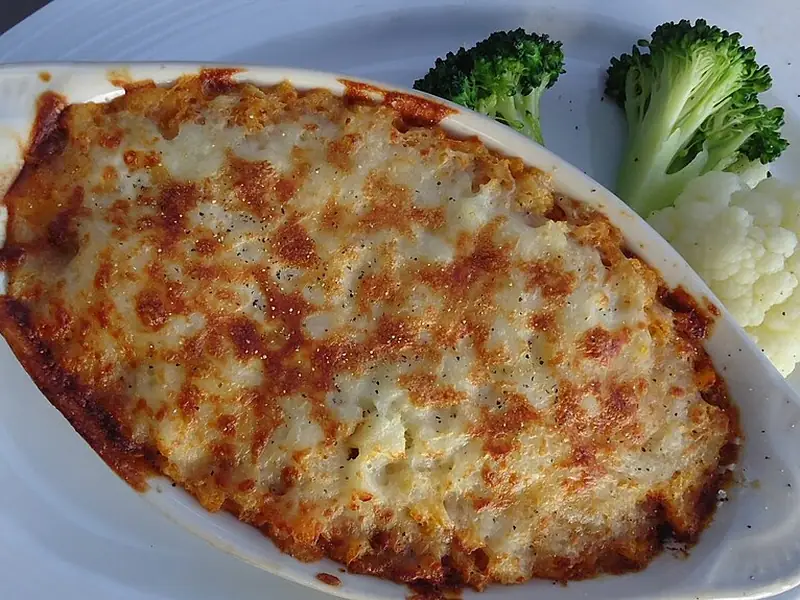
Shepherd's Pie
Lamb mince in a rich gravy under a piped mash with crisp golden ridges. Made with beef it is a cottage pie; the…
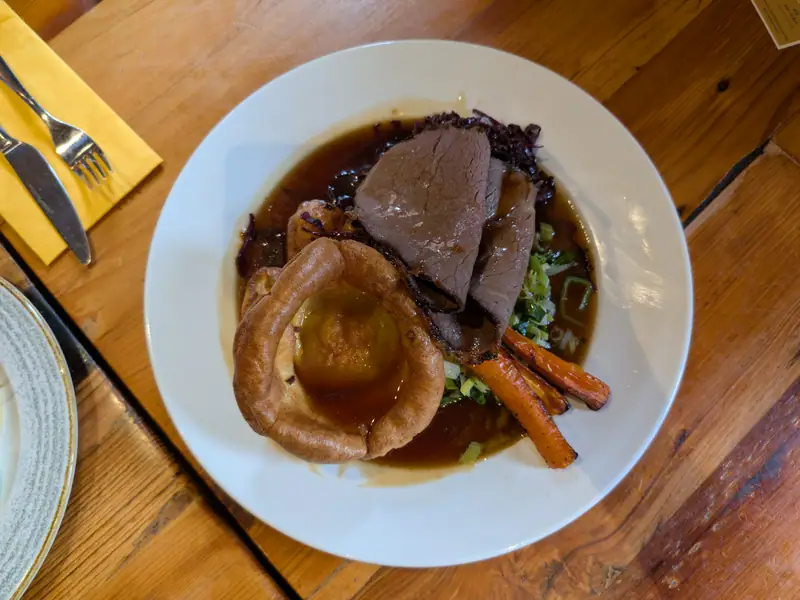
Roast Beef and Yorkshire Puddings
A rib of beef roasted to a rosy centre, rested properly, and carved thick, with Yorkshire puddings risen tall in…
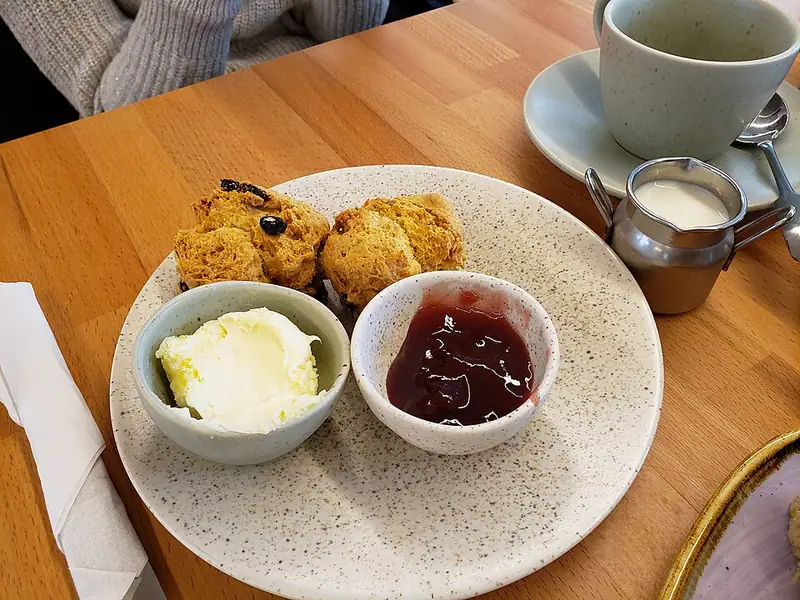

English Scones
Tall, straight-sided scones that split cleanly by hand rather than needing a knife. Cold butter, a light hand and a…