Asab
Sugarcane juice, pressed and drunk within minutes. Nothing is added and nothing can be — it oxidises so fast that the machine has to be at the counter.
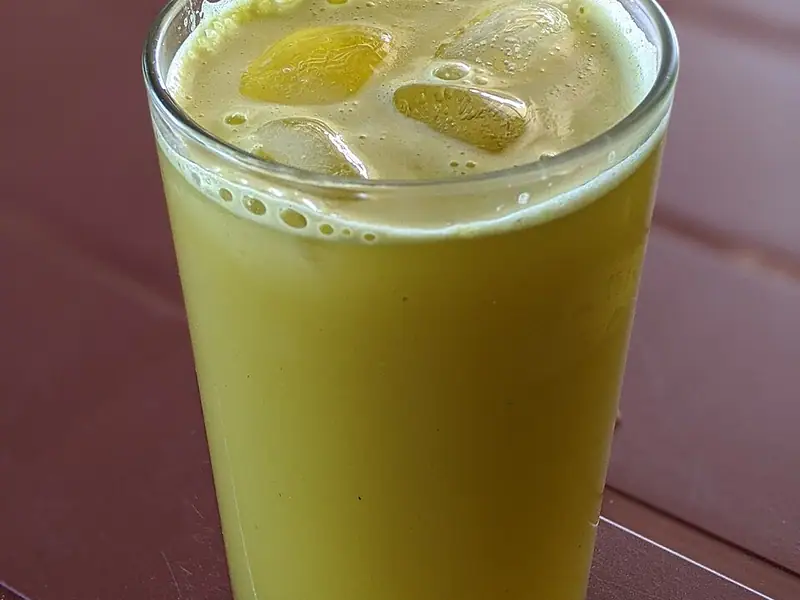
Photograph credit: Glass of sugarcane juice by Fgnievinski · CC BY-SA 4.0 · Wikimedia Commons · this resized copy is shared under the same licence
Before You Start
Lime straight away. It buys you time against oxidation.
Press three times — most of the yield is in the later passes.
There is no making this in advance.
How to Make Asab
Tap a step to highlight it, or turn on Cook Mode for large type and step-by-step focus.
-
Peel the hard outer skin from the cane with a heavy knife and cut the pale interior into finger-length pieces.
-
Pass them through a sugarcane press three times, feeding the crushed fibre back through each time — most of the juice comes out on the second and third pass.
-
Without a press: blitz the chopped cane with the cold water in a powerful blender for 2 minutes, then strain hard through muslin, squeezing the fibre dry.
-
Strain the juice through a fine sieve to remove fibre.
-
Add the lime juice immediately — it slows the browning noticeably.
-
Fill glasses with ice and pour.
-
Drink within a few minutes. It will start to darken and flatten in about twenty.
Something wrong or unclear in this recipe? Report a problem with this recipe.
Why the Method Works
Sugarcane juice oxidises visibly within twenty minutes of pressing — it goes from pale green to grey-brown and loses its fresh grassy note entirely — which is why every asab stall in Egypt presses to order in front of you and why bottled versions taste nothing like it. A squeeze of lime slows the browning by acidifying the juice, and serving it over plenty of ice slows it further. There is no way to make this ahead, and no point trying.
Leftovers, Reheating and Keeping
None. It browns within 20 minutes and is undrinkable by the next day.
Changing the Recipe
- Lemon is the everyday swap for lime in this kind of dish — the acidity plays the same role even though the flavour is not identical.
What to Serve Alongside
- Hawawshi
- Ta'ameya
- Hot afternoons
What's in a Serving
No nutrition figures are given for this recipe: they cannot be worked out reliably from its ingredient list (some ingredient lines cannot be read). Why some recipes have none.
Your notes on this recipe
Cooked this? Keep a note for next time
Compiled by Turab
Checked by script for timings, diet labels and nutrition arithmetic. How the recipes are checked. Found a mistake? Tell us.
First published ; last changed .
You Might Also Like
More Egyptian cooking and drinks ideas from Weekly Delight.
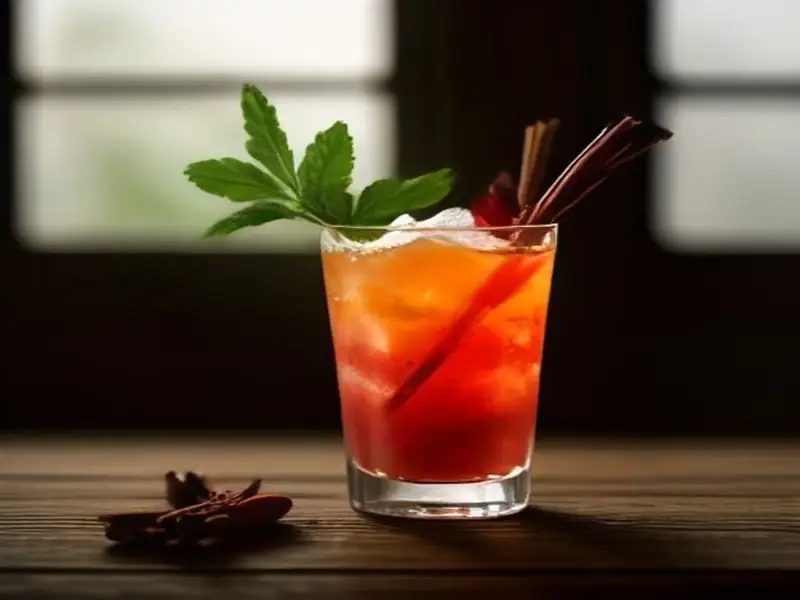
Karkade
Dried hibiscus steeped into a drink the colour of ink and served either scalding or over ice. Sour, tannic and the…
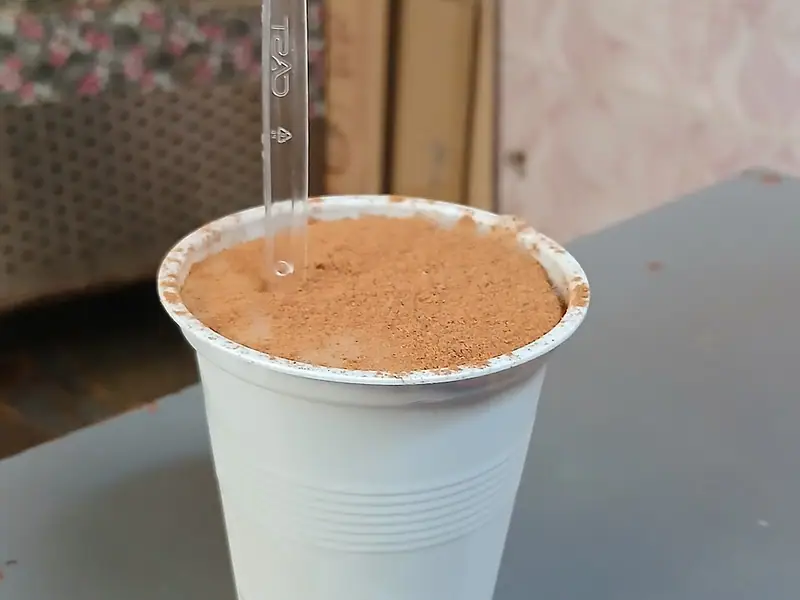
Sobia
A cold white drink of soaked rice and coconut blended with milk and sugar, sold from urns in Ramadan. Cloudy, sweet…
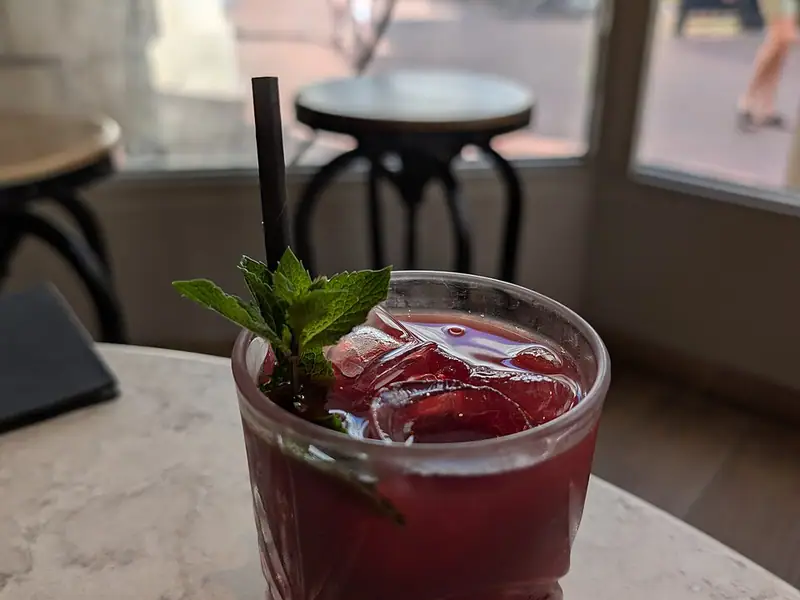
Agua de Jamaica
Dried hibiscus steeped and sweetened into a deep crimson agua fresca — sharp, floral and served in a jug over ice on…
Caipirinha
Lime muddled with sugar in the glass, filled with cachaça and crushed ice, and stirred until the outside frosts…

Caribbean Rum Punch
A rum punch built on the old Caribbean rhyme of one part sour, two sweet, three strong and four weak, served over…


Cosmopolitan
Vodka, orange liqueur, cranberry juice and fresh lime shaken until ice cold and strained into a chilled glass. Tart…