Bûche de Noël
A rolled chocolate sponge filled with cream, coated in ganache and dragged with a fork into bark. The sponge is rolled hot in a towel so it learns the shape before it can crack.
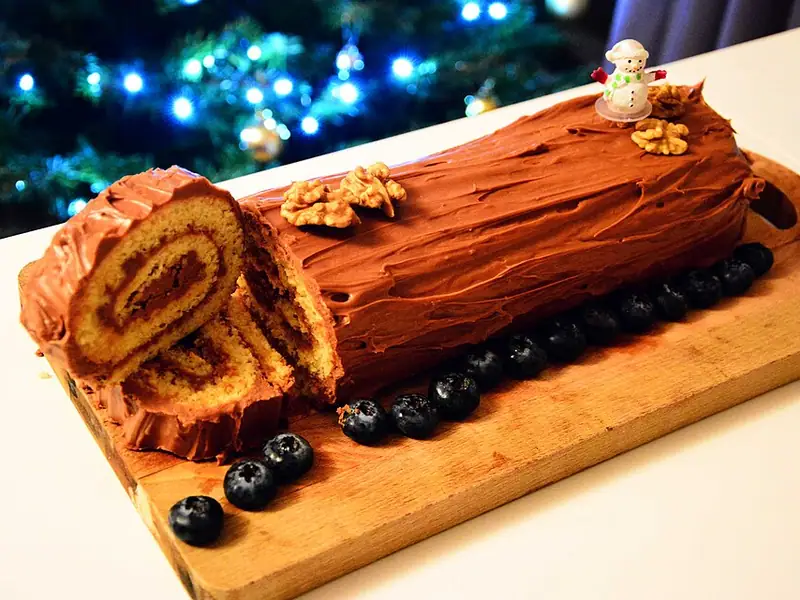
Photograph credit: Buche de Noel (Yule Log) by Mitantig · CC BY-SA 4.0 · Wikimedia Commons · this resized copy is shared under the same licence
Bûche de Noël: Step by Step
Tap a step to highlight it, or turn on Cook Mode for large type and step-by-step focus.
-
Heat the oven to 200°C / 400°F. Line a 33 x 23 cm Swiss roll tin with baking paper.
-
Whisk the yolks with 100 g of the sugar for 4 minutes until pale and ribbon-forming, then whisk in the vanilla.
-
Sift the flour, cocoa and salt over and fold in gently.
-
In a clean bowl, whisk the whites to soft peaks, add the remaining 50 g sugar and whisk to firm, glossy peaks.
-
Stir a third of the whites into the chocolate mixture to loosen it, then fold in the rest in two additions.
-
Spread into the tin, level, and bake 12 to 14 minutes until springy and just pulling from the sides.
-
Lay a clean tea towel on the worktop and scatter it with the 2 tablespoons of sugar. Turn the hot sponge onto it, peel off the paper, and roll it up from the short end with the towel inside. Leave rolled until completely cold, at least 1 hour.
-
Whip the cream with the icing sugar and rum to soft peaks. Unroll the sponge, spread the cream to within 2 cm of the edges, and re-roll without the towel.
-
For the ganache, heat the cream to a bare simmer, pour it over the chocolate, wait 2 minutes, then stir from the middle outwards until glossy. Beat in the butter and cool until spreadable, about 40 minutes.
-
Cut a diagonal slice off one end and set it against the side as a branch. Coat the whole thing in ganache, drag a fork along it to make bark, chill 2 hours, and dust with icing sugar before serving.
Related guide: Prep, cook and total time.
Something wrong or unclear in this recipe? Report a problem with this recipe.
What Can Go Wrong
- Roll it hot. A cold sponge will crack every time, and no amount of ganache hides the crack.
- Cool the ganache properly. Warm ganache slides off and cold ganache tears the sponge.
- Any crack that does appear becomes a knot in the bark. Nobody will know.
Common Substitutions & Variations
- In a sauce, full-fat crème fraîche can usually take the place of the double cream; single cream is thinner and more likely to split if it boils, so keep it below a simmer.
A Little Background
A roulade cracks because the sponge sets in a flat shape and is then bent. Rolling it while hot, inside a sugared towel, forces the crumb to set curved, and unrolling it later to fill costs nothing because it has already taken the shape. The sponge itself is a whisked genoise with no butter and very little flour, which keeps it flexible; a creamed sponge would be too short to bend at all.
To Go With It
A glass of Banyuls · Black coffee · Poached pears
Storing Leftovers
Refrigerated for 3 days; bring to cool room temperature for 30 minutes before serving. It freezes whole for 1 month.
Questions People Ask
How long does Bûche de Noël take to make?
1 hour of preparation and 15 minutes of cooking, plus 3 hours 40 minutes of chilling, so allow 4 hours 55 minutes from start to finish. The recipe serves 10.
Bûche de Noël Nutrition
Per serving, an approximate calculation from the ingredient list. Treat it as a rough guide: where a line offers a choice of foods, only one of them is counted; garnishes, greasing and other items with no amount are not counted. How the figures are worked out.
Your notes on this recipe
Cooked this? Keep a note for next time
Compiled by Turab
Checked by script for timings, diet labels and nutrition arithmetic. How the recipes are checked. Found a mistake? Tell us.
First published ; last changed .
You Might Also Like
More French cooking and holiday specials ideas from Weekly Delight.
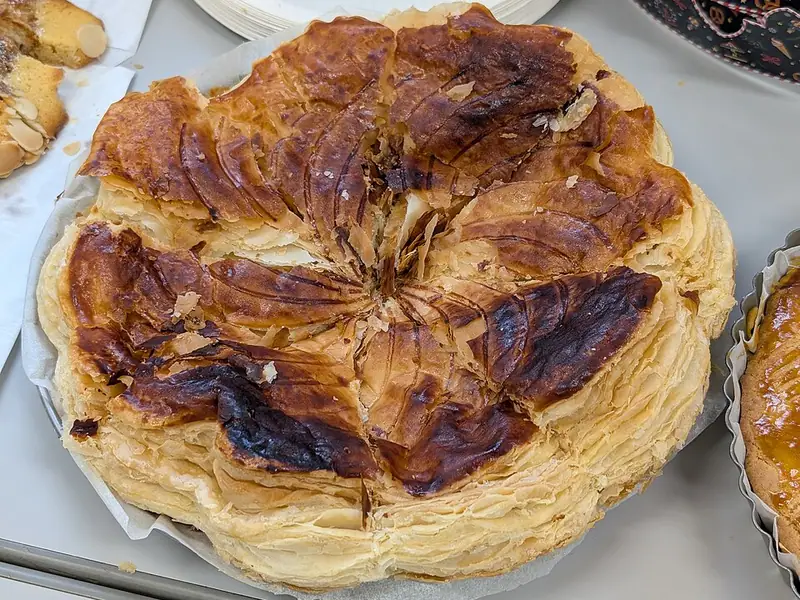
Galette des Rois
Two discs of puff pastry around a frangipane, scored in a sunburst and glazed to a mirror. There is a bean hidden…
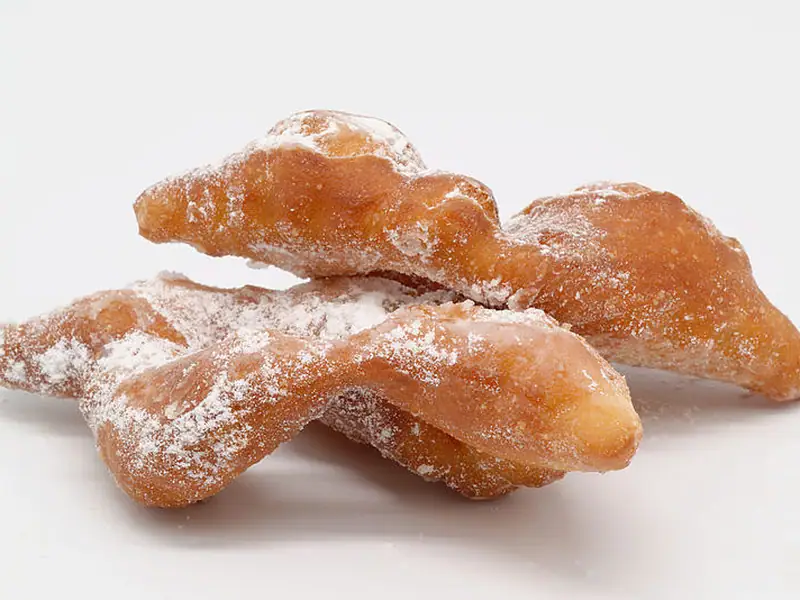
Bugnes
Crisp, light ribbons of sweet dough scented with orange zest, deep fried until golden and dusted with icing sugar…
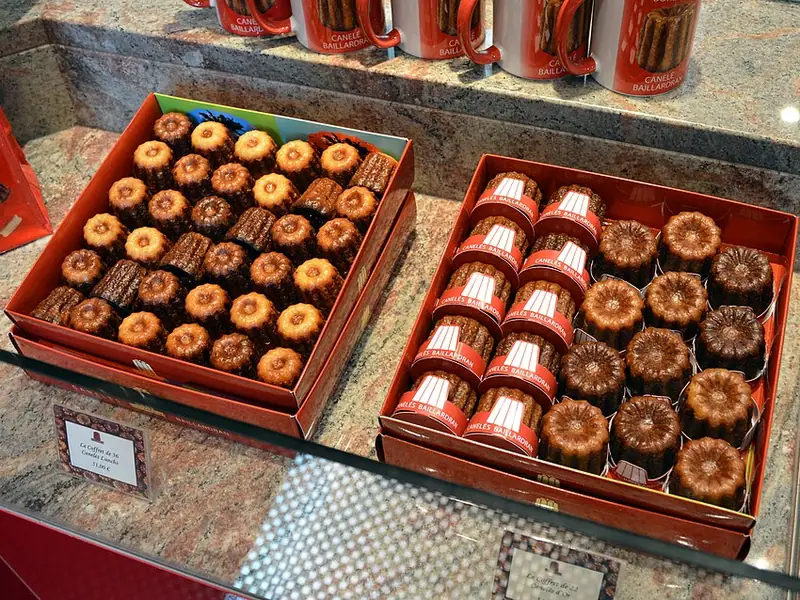
Canelés de Bordeaux
A Bordeaux pastry with a black, almost burnt caramel shell and a soft, custardy centre shot through with rum and…

Canneles
Small fluted cakes with a dark caramelised shell and a custard centre, made from a rum and vanilla batter rested…
Chocolate Macarons
Delicate French almond meringue shells flavoured with cocoa and sandwiched with a dark chocolate ganache, baked for…

Choux Buns
Light, hollow choux pastry buns filled with whipped cream and dusted with icing sugar.