Cauliflower Rice
Grated cauliflower cooked for a few minutes in olive oil with garlic until tender but still with a little bite. A light, low-carbohydrate stand-in for rice.
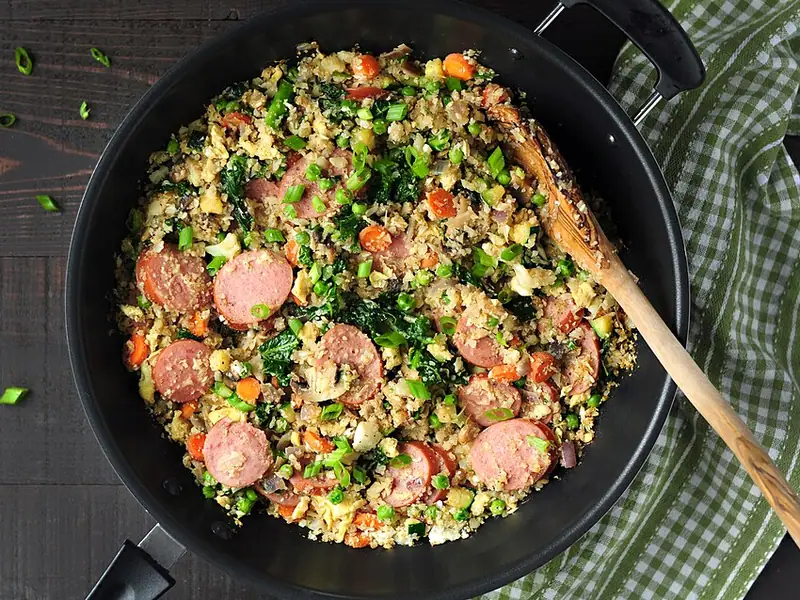
Photograph credit: Easy Fried Cauliflower Rice-1 (31717741910) by Sharon Chen from Austin, United States · CC BY 2.0 · Wikimedia Commons
Storing and Planning Ahead
Keeps in the fridge for up to 4 days. Reheat in a hot pan for 2 minutes. The raw riced cauliflower freezes for 3 months.
Cauliflower Rice: The Method
Tap a step to highlight it, or turn on Cook Mode for large type and step-by-step focus.
-
Trim the cauliflower and cut it into florets, discarding the tough core. Pulse the florets in a food processor in two batches, in short bursts, until they are the size of rice grains. If you have no processor, grate them on the coarse side of a box grater.
-
Spread the riced cauliflower on a clean tea towel and pat it dry to take off the surface moisture.
-
Heat the oil in a large frying pan over medium-high heat. Add the garlic and fry for 30 seconds, until fragrant but not coloured.
-
Add the cauliflower and the salt. Cook for 5 to 6 minutes, stirring often, until tender with a little bite and just starting to colour at the edges.
-
Take the pan off the heat and stir in the lemon juice, parsley and a few grinds of pepper. Serve at once.
Something wrong or unclear in this recipe? Report a problem with this recipe.
Worth Knowing
- Pulse in short bursts and stop while the pieces are still distinct. Run continuously, the processor turns the cauliflower into a paste.
- Use the widest pan you have and do not overcrowd it. A crowded pan traps steam, and steam is what turns the grains soggy.
- Stop cooking while it still has some bite. It softens further from its own heat on the way to the table.
Some Background
Cauliflower rice began as a low-carbohydrate trick and turned into a real side dish. A head of cauliflower is chopped or grated into grains the size of rice and cooked briefly in a hot pan, and what comes out is light, mild and pleasantly nutty, with a little of the softness of couscous. It appeared in diet books, then in ordinary kitchens, and in the 2010s supermarkets began selling it in bags, ready to cook. It is not really a substitute for rice, and it does not taste like it, but it does the same job on the plate. It soaks up the sauce of a curry or a stir-fry, it sits under a stew, and it makes a good base for a bowl of roasted vegetables and beans. The cooking is the part that goes wrong. Raw cauliflower has a great deal of water in it, and if it is cooked slowly or crowded in the pan it steams and turns to a wet, grey mush. The answer is a wide pan, a hot flame and only a few minutes, stirring often, so that the moisture cooks off and the grains stay tender with a bit of bite. Salt is important, and so is a squeeze of lemon at the end, which lifts the mild flavour of the vegetable.
What to Put Next to It
Chicken curry · Chilli con carne · Grilled salmon
Swaps and Variations
- An eighth of a teaspoon of garlic powder per clove is the stand-in usually given when you are out of fresh garlic; it will not brown the same way, and it burns easily, so add it with the liquid.
What's in a Serving
Per serving, calculated from the ingredient list with USDA FoodData Central figures (SR Legacy). A calculation, not a laboratory analysis: brands, cuts and how you measure change the real numbers. How the figures are worked out.
Your notes on this recipe
Cooked this? Keep a note for next time
Compiled by Turab
Checked by script for timings, diet labels and nutrition arithmetic. How the recipes are checked. Found a mistake? Tell us.
First published ; last changed .
You Might Also Like
More American cooking and healthy ideas from Weekly Delight.

Air Fryer Cauliflower
Cauliflower florets tossed with smoked paprika, garlic and cumin and cooked in the air fryer until browned at the…
Mashed Cauliflower
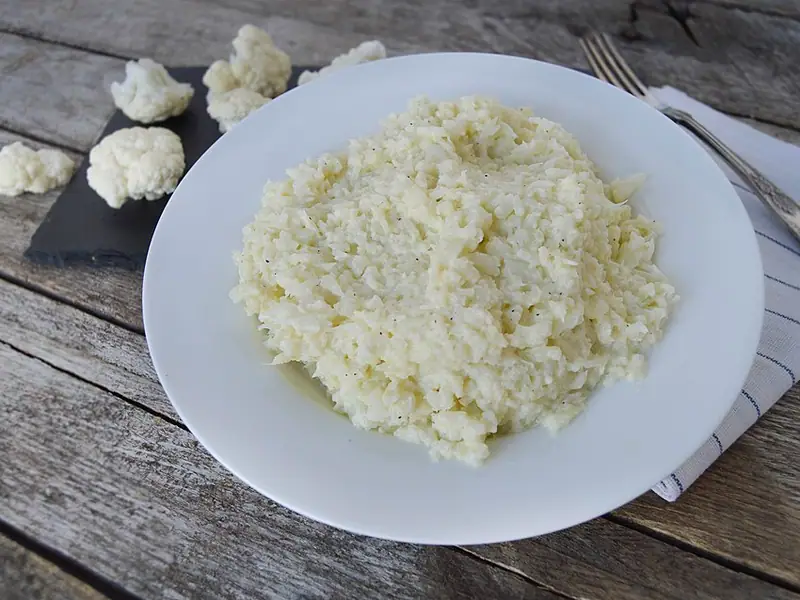
Cauliflower steamed until tender and blended with butter, garlic and a little cream into a smooth mash.

Garlic Sautéed Spinach
Fresh spinach wilted in olive oil with sliced garlic and a squeeze of lemon. Four servings in 11 minutes.
Grilled Zucchini
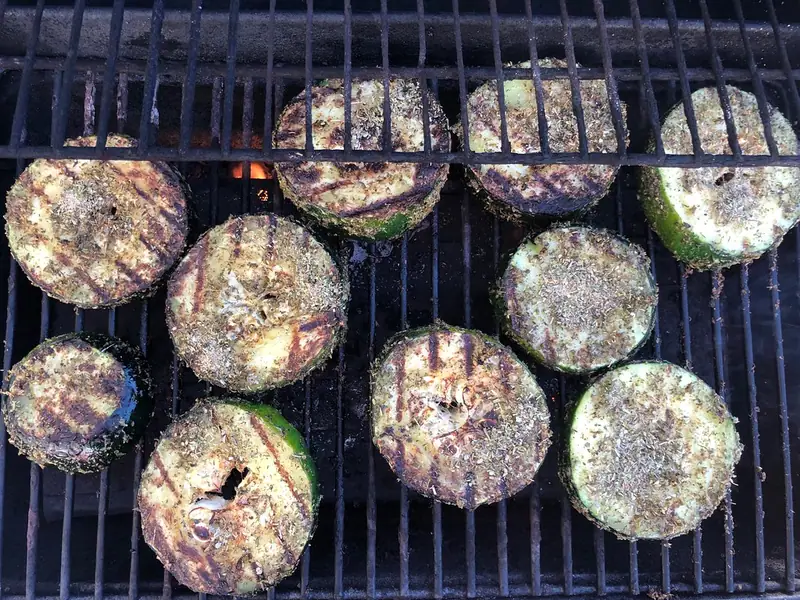
Zucchini cut into long slabs, brushed with oil and grilled until striped and tender, then finished with lemon and…
Sautéed Kale with Garlic
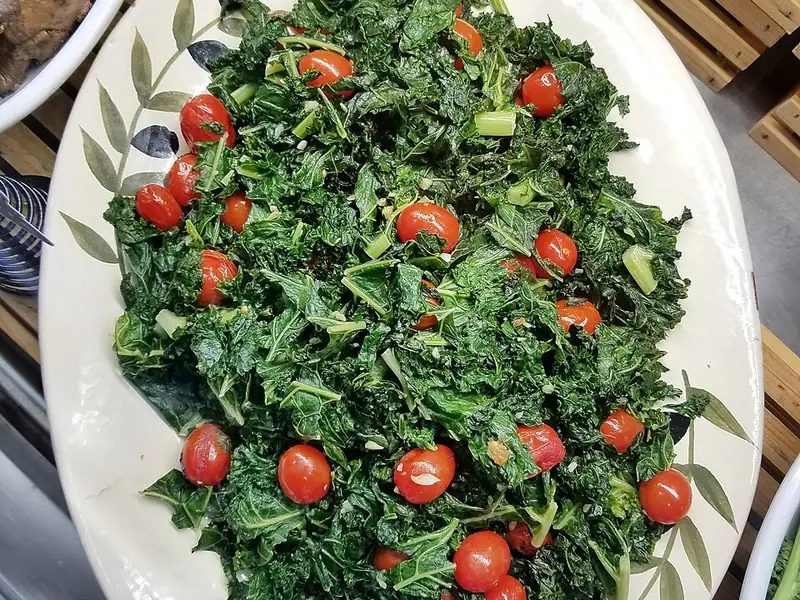
Kale leaves wilted in olive oil with sliced garlic and a pinch of chilli, finished with lemon. Four servings in 13…
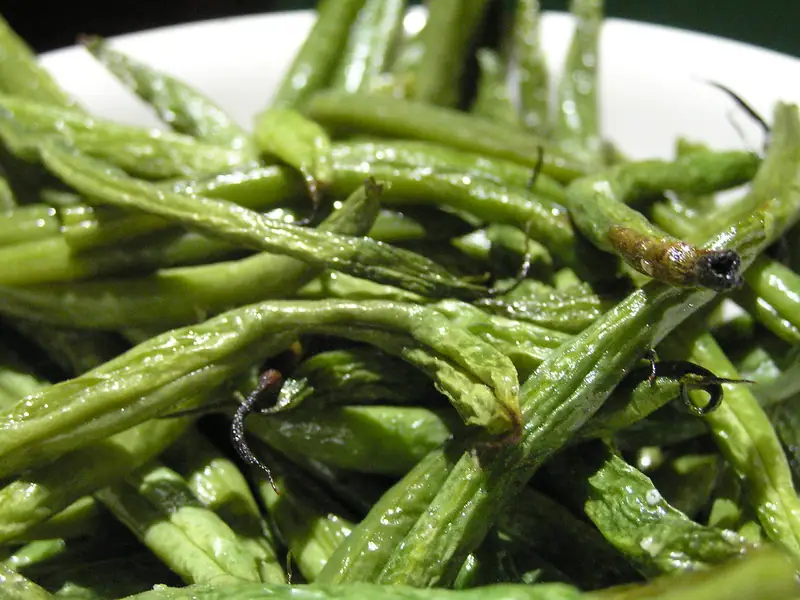

Garlic Roasted Green Beans
Green beans roasted in a hot oven until blistered, with garlic added for the last few minutes and a squeeze of…