Halva
A Greek semolina halva toasted in olive oil and cooked with a cinnamon and clove syrup, set in a mould in 35 minutes.

Photograph credit: Halva by yilmazfatih · Pixabay Content License · Pixabay
Before You Start
Remember the 1, 2, 3, 4 proportions.
Stir the semolina constantly while toasting.
Stand back when the syrup goes in.
How to Make Halva
Tap a step to highlight it, or turn on Cook Mode for large type and step-by-step focus.
-
Simmer the water, sugar, cinnamon stick and cloves for 5 minutes. Keep hot.
-
Warm the oil in a wide pan, stir in the semolina and toast over medium heat for 10 to 12 minutes, stirring, until hazelnut brown.
-
Add the almonds for 1 minute. Take off the heat and carefully pour in the hot syrup, standing back.
-
Stir over low heat for 3 to 4 minutes until thick and pulling away from the sides.
-
Press into a mould, cool and turn out. Dust with the ground cinnamon.
Why the Method Works
Oil, semolina, sugar, water: these are the four things that make halva, and the proportions are easy to remember: 1, 2, 3, 4. One part oil, two parts semolina, three parts sugar and four parts water, by volume, give a perfect halva every time. This is the Greek Lenten pudding, and it needs no eggs and no milk.
Warm the oil in a wide pan and stir in the semolina over medium heat. Toast the semolina for 10 to 12 minutes until it turns the colour of a hazelnut, stirring all the time, as it burns if left. At the same time, simmer the water, sugar, cinnamon stick and cloves for 5 minutes into a syrup.
Add the almonds to the toasted semolina, then take it off the heat and pour in the hot syrup, standing back as it spits. Stir over low heat for 3 to 4 minutes until it thickens and pulls from the sides. Press into a mould, cool and turn out. Dust with cinnamon. It keeps for a week in a cool place and is cut in slices, eaten at room temperature.
Storage and Reheating
Keeps for 1 week in a cool place.
What to Serve Alongside
- Greek coffee
- Vanilla ice cream
- Walnuts
What's in a Serving
Per serving, calculated from the ingredient list with USDA FoodData Central figures (SR Legacy). A calculation, not a laboratory analysis: brands, cuts and how you measure change the real numbers. How the figures are worked out.
Your notes on this recipe
Cooked this? Keep a note for next time
Compiled by Turab
Checked by script for timings, diet labels and nutrition arithmetic. How the recipes are checked.
First published ; last changed .
You Might Also Like
More Greek cooking and desserts ideas from Weekly Delight.
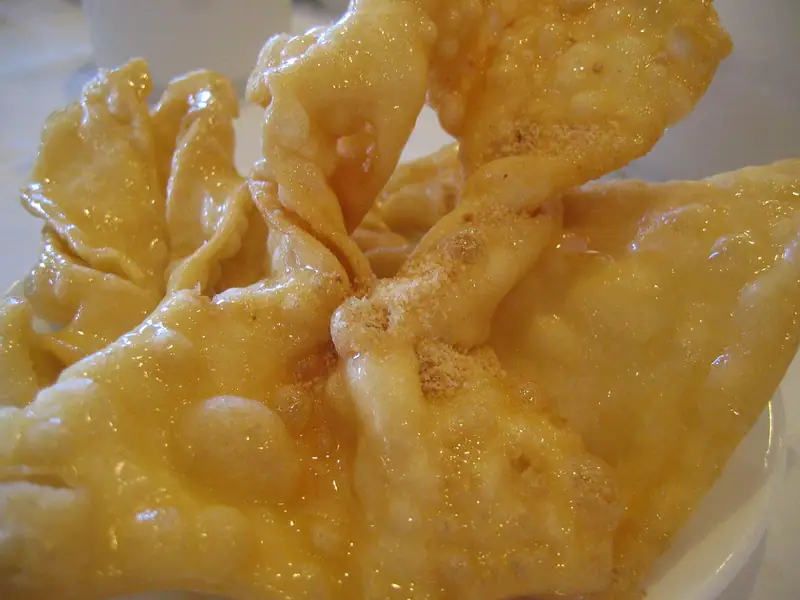
Loukoumades
Yeasted dough balls fried until hollow and crisp, soaked in honey syrup and dusted with cinnamon and walnuts…
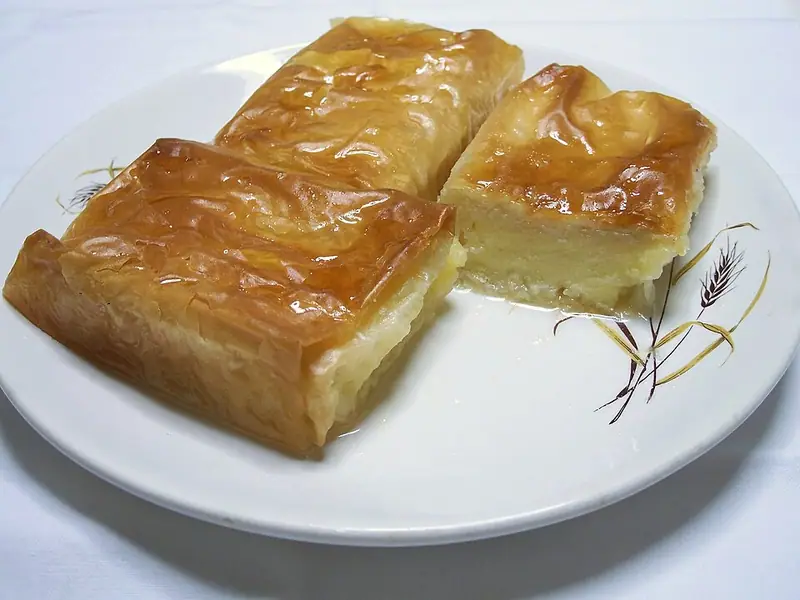
Galaktoboureko
Semolina custard baked between layers of filo and drenched in cold syrup the moment it leaves the oven. The…
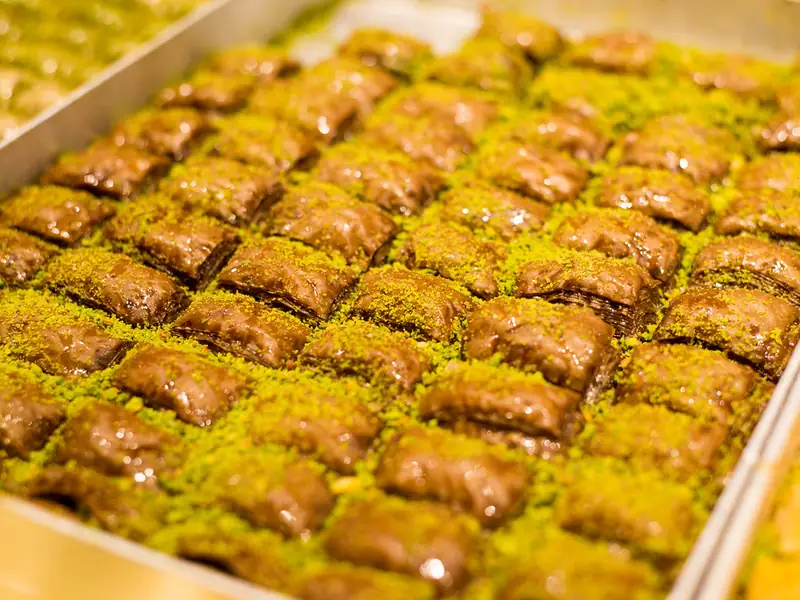
Pistachio Baklava
Thirty layers of filo, three layers of spiced pistachio and walnut, and a citrus syrup poured over at exactly the…

Rizogalo
A Greek rice pudding of short grain rice, milk, sugar and vanilla simmered for 45 minutes until creamy and dusted…
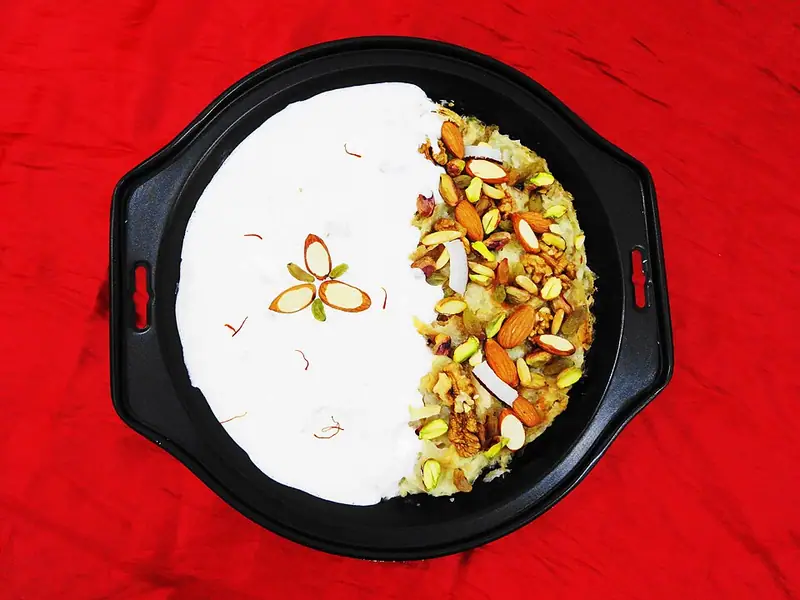
Om Ali
Torn pastry baked in sweetened milk with nuts and coconut until the top blisters and the bottom turns to custard…
Baked Cinnamon Apples
Apples baked slowly with cinnamon and a splash of orange juice until they collapse into their own syrup. The only…