Japchae
Chewy sweet potato noodles tossed with individually stir-fried vegetables and a sesame-soy dressing. Naturally gluten-free, good hot or at room temperature, and a fixture of every Korean celebration.
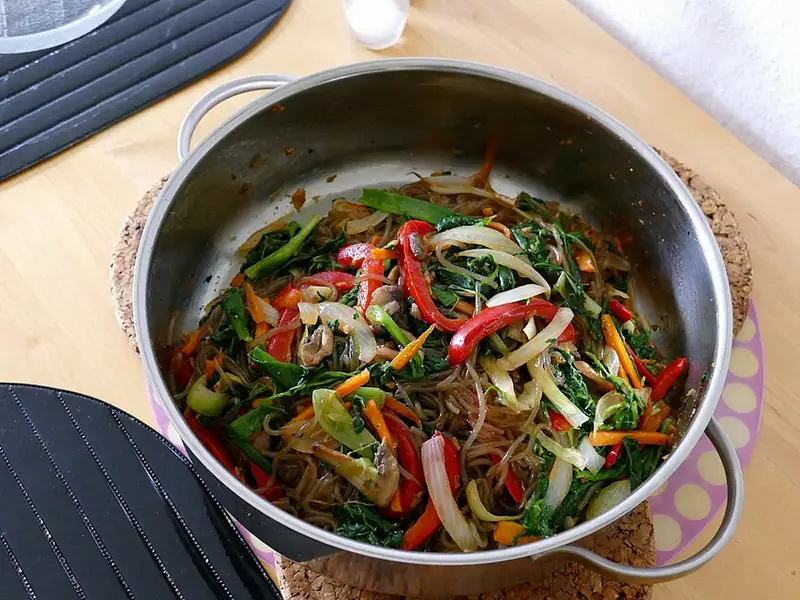
Photograph credit: 2016.06.11.105029 Japchae Heidelberg by Hermann Luyken · CC0 · Wikimedia Commons
Method
Tap a step to highlight it, or turn on Cook Mode for large type and step-by-step focus.
-
Whisk all the sauce ingredients together and set aside.
-
Boil the noodles for 6 to 7 minutes until springy and translucent, then drain, rinse briefly under cold water and cut roughly with scissors so they are manageable.
-
Toss the warm noodles with a third of the sauce immediately so they absorb it and do not stick.
-
Blanch the spinach for 45 seconds, refresh, squeeze dry and dress with a splash of sesame oil and a pinch of salt.
-
Stir-fry each remaining vegetable separately over high heat with a little oil and salt: onion 2 minutes, carrot 2 minutes, pepper 90 seconds, mushrooms 3 minutes.
-
If making the egg garnish, beat the eggs, cook them as a thin flat omelette, then roll and slice into fine ribbons.
-
Combine the noodles, all the vegetables and the remaining sauce in a large bowl and toss thoroughly with your hands, which distributes it far better than tongs.
-
Taste and adjust with more soy sauce or sesame oil, then serve warm or at room temperature topped with the egg ribbons and extra sesame seeds.
Chef’s Tips
- Dress the noodles while warm so they drink up the sauce rather than sitting in it.
- Toss with your hands. It is the only way to coat glass noodles evenly.
- Japchae is traditionally served at room temperature, which makes it excellent for taking places.
Common Substitutions & Variations
- Out of spring onions? A small regular onion, finely sliced, or a few chives stirred in at the end both cover the job.
- An eighth of a teaspoon of garlic powder per clove is the usual stand-in when you are out of fresh garlic — it will not caramelise the same way, but it carries the flavour.
Pairing Suggestions
- Soju or a cold lager
- Serve as part of a spread with bulgogi and kimchi
- Finish with fresh fruit
Storage & Reheating
Refrigerate 3 days. The noodles firm up when cold; refresh in a hot pan with a splash of water and sesame oil.
Common questions
How long does Japchae take to make?
About 40 minutes in total — 25 minutes of preparation and 15 minutes of cooking. The recipe serves 6.
What are the key tips for making Japchae?
Dress the noodles while warm so they drink up the sauce rather than sitting in it. Toss with your hands. It is the only way to coat glass noodles evenly. Japchae is traditionally served at room temperature, which makes it excellent for taking places.
What should I serve with Japchae?
Soju or a cold lager; Serve as part of a spread with bulgogi and kimchi; Finish with fresh fruit.
How should Japchae be stored?
Refrigerate 3 days. The noodles firm up when cold; refresh in a hot pan with a splash of water and sesame oil.
Is Japchae suitable for a special diet?
This recipe is vegan, dairy-free and vegetarian. Those labels are checked against the ingredient list, so a dish is only marked when nothing in it contradicts the claim.
How many calories are in Japchae?
About 468 kcal per serving, with 8 g protein, 72 g carbohydrate and 16 g fat. The figures are calculated from the ingredient list and are an estimate.
Nutritional Highlights
Per serving, calculated from the ingredient list. Treat these as an estimate — brands and cuts vary.
Reader Reviews
Cooked this? Leave a review
Written and tested by Turab
One person, one kitchen — no test kitchen, no team. How every recipe on this site is checked before it goes up.
Related Recipes
More Korean cooking and dinner ideas from Weekly Delight.

Korean Fried Chicken
Double-fried until the crust is glassy and stays crisp under the sauce, then glazed in sticky sweet-hot gochujang…
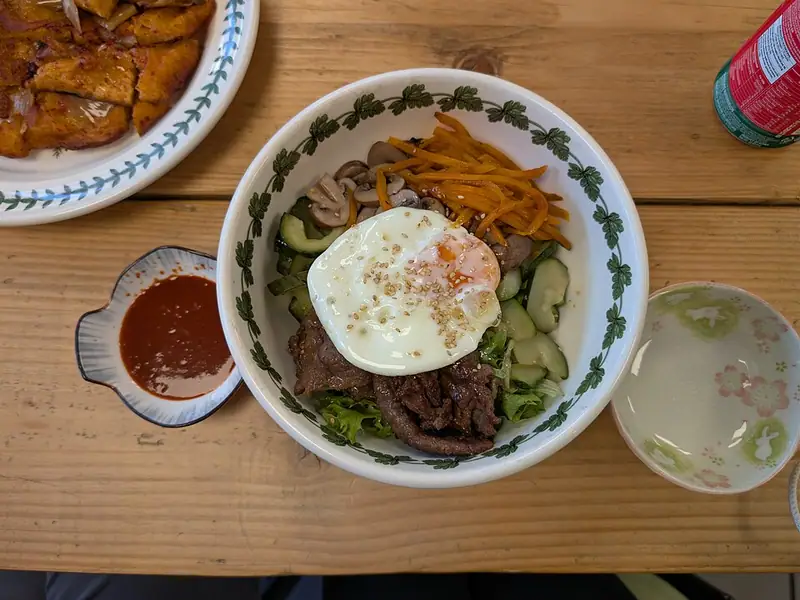
Bibimbap
A bowl of rice topped with individually seasoned vegetables, marinated beef, a fried egg and gochujang, mixed…
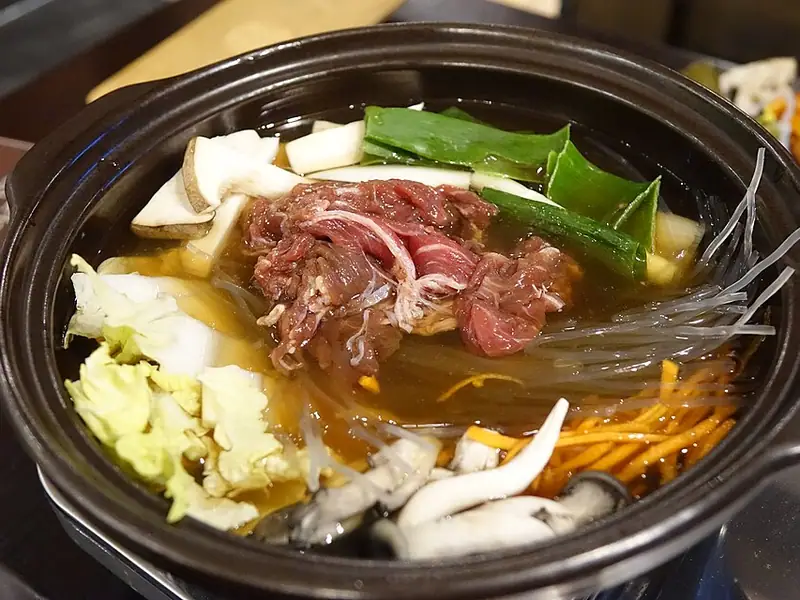
Beef Bulgogi
Thinly sliced beef marinated in soy, pear and sesame, then seared fast so it caramelises without stewing. Twenty…
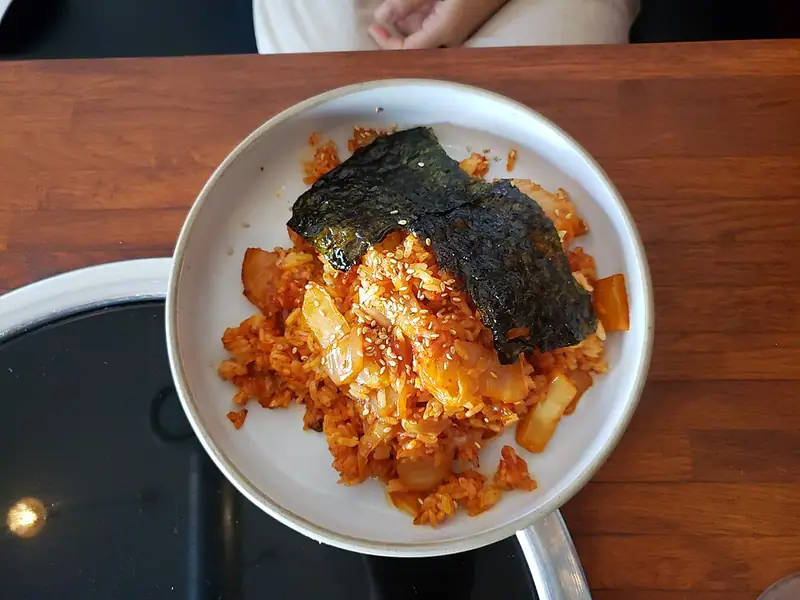

Napa Cabbage Kimchi
Napa cabbage salted, coated in a chilli and fermented seafood paste, and left to ferment until it fizzes. Two days…