Kimbap
Seasoned rice and a row of cooked fillings rolled in seaweed, brushed with sesame oil and cut into coins. Korea's picnic food, and quite distinct from sushi: the rice is dressed with sesame oil and salt, never vinegar.

Photograph credit: Kimbap by yanayrosen · Public Domain Mark 1.0 · Flickr

Photograph credit: Kimbap by yanayrosen · Public Domain Mark 1.0 · Flickr
Method
Tap a step to highlight it, or turn on Cook Mode for large type and step-by-step focus.
-
Season the warm rice with the sesame oil, sesame seeds and salt, folding gently with a rice paddle. Cool to just above room temperature.
-
Stir-fry the beef with the soy and sugar for 4 minutes until glazed. Season the blanched spinach with a little sesame oil and salt. Stir-fry the carrot with a pinch of salt for 2 minutes.
-
Cook the beaten eggs as a flat omelette in a wide pan, then roll and cut into long strips.
-
Lay a sheet of gim shiny side down on a bamboo mat.
-
Spread a thin, even layer of rice over the bottom three-quarters, leaving the top quarter bare. Press it out with wet fingers — thinner than feels right.
-
Lay the fillings in tight parallel rows across the rice, about a third of the way up from the bottom edge.
-
Lift the mat and roll away from you, tucking the fillings in firmly with your fingertips as you go, and press to seal along the bare strip.
-
Roll the finished kimbap once more inside the mat to compact it, then brush the outside with sesame oil.
-
Cut into 1.5 cm slices with a very sharp knife, wiping the blade with a damp cloth between every two cuts.
Chef’s Tips
- Less rice than you think. Overfilled kimbap will not close and bursts when sliced.
- Wipe the knife constantly. Sticky rice on the blade tears the seaweed.
- Kimbap is meant to be eaten at room temperature, not chilled, so it is ideal made a few hours ahead.
Pairing Suggestions
- Danmuji and kimchi on the side
- A cup of barley tea
- Tteokbokki, the classic street pairing
Storage & Reheating
Eat within 8 hours. Do not refrigerate — the rice hardens and the texture is ruined.
Common questions
How long does Kimbap take to make?
About 55 minutes in total — 35 minutes of preparation and 20 minutes of cooking. The recipe serves 4.
What are the key tips for making Kimbap?
Less rice than you think. Overfilled kimbap will not close and bursts when sliced. Wipe the knife constantly. Sticky rice on the blade tears the seaweed. Kimbap is meant to be eaten at room temperature, not chilled, so it is ideal made a few hours ahead.
What should I serve with Kimbap?
Danmuji and kimchi on the side; A cup of barley tea; Tteokbokki, the classic street pairing.
How should Kimbap be stored?
Eat within 8 hours. Do not refrigerate — the rice hardens and the texture is ruined.
Is Kimbap suitable for a special diet?
This recipe is dairy-free. Those labels are checked against the ingredient list, so a dish is only marked when nothing in it contradicts the claim.
How many calories are in Kimbap?
About 412 kcal per serving, with 18 g protein, 58 g carbohydrate and 12 g fat. The figures are calculated from the ingredient list and are an estimate.
Nutritional Highlights
Per serving, calculated from the ingredient list. Treat these as an estimate — brands and cuts vary.
Reader Reviews
Cooked this? Leave a review
Written and tested by Turab
One person, one kitchen — no test kitchen, no team. How every recipe on this site is checked before it goes up.
Related Recipes
More Korean cooking and lunch ideas from Weekly Delight.
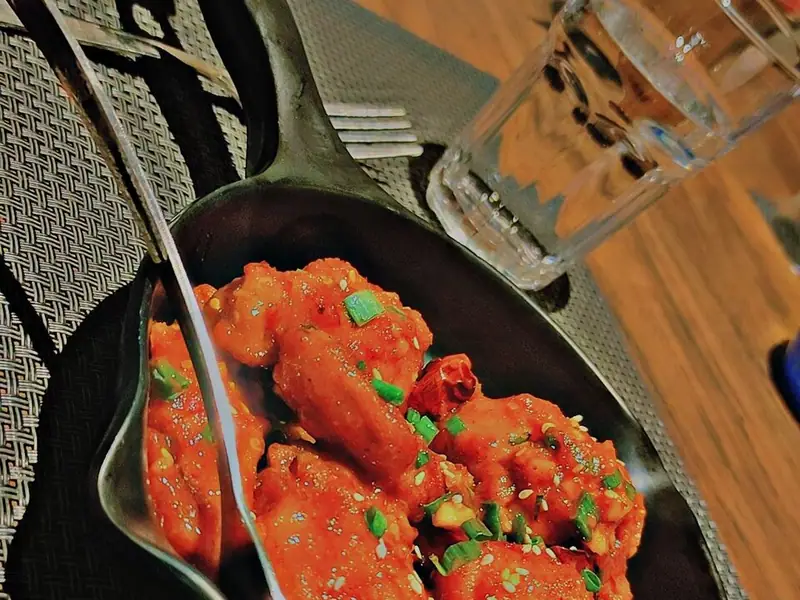
Korean Fried Chicken
Double-fried until the crust is glassy and stays crisp under the sauce, then glazed in sticky sweet-hot gochujang…
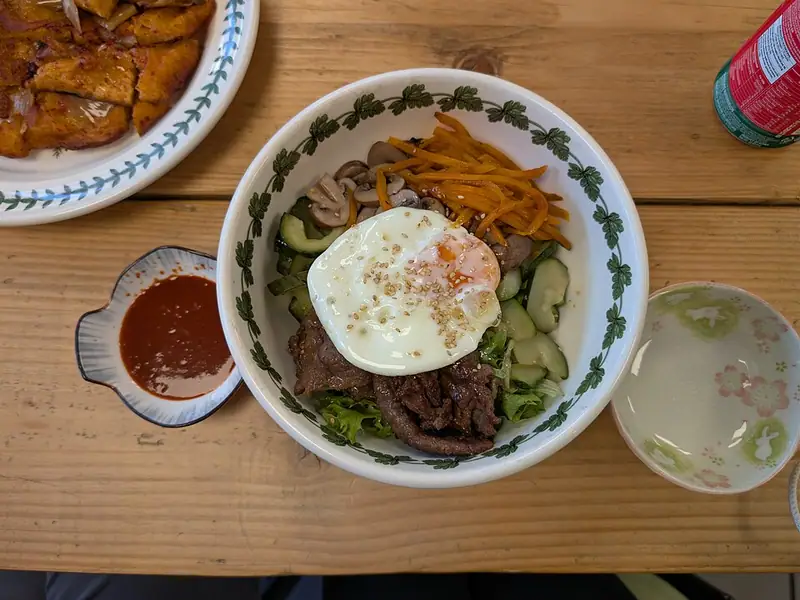
Bibimbap
A bowl of rice topped with individually seasoned vegetables, marinated beef, a fried egg and gochujang, mixed…
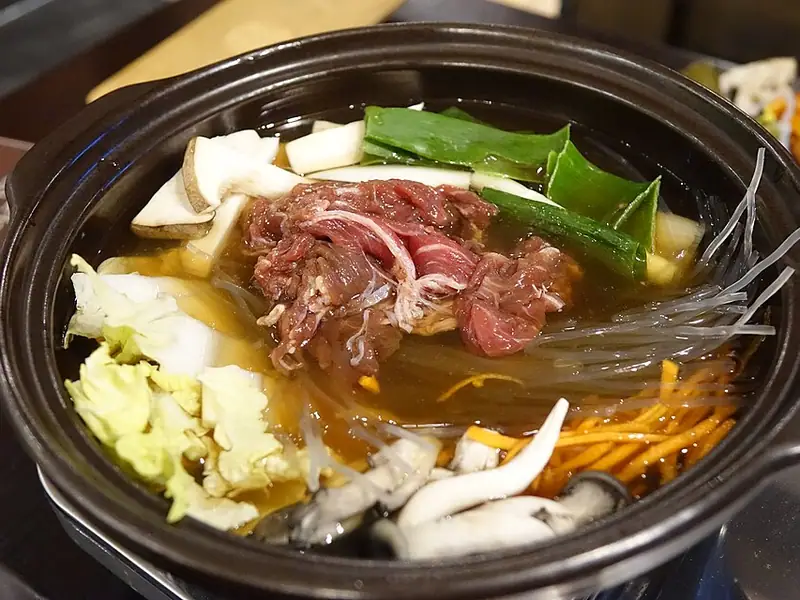
Beef Bulgogi
Thinly sliced beef marinated in soy, pear and sesame, then seared fast so it caramelises without stewing. Twenty…
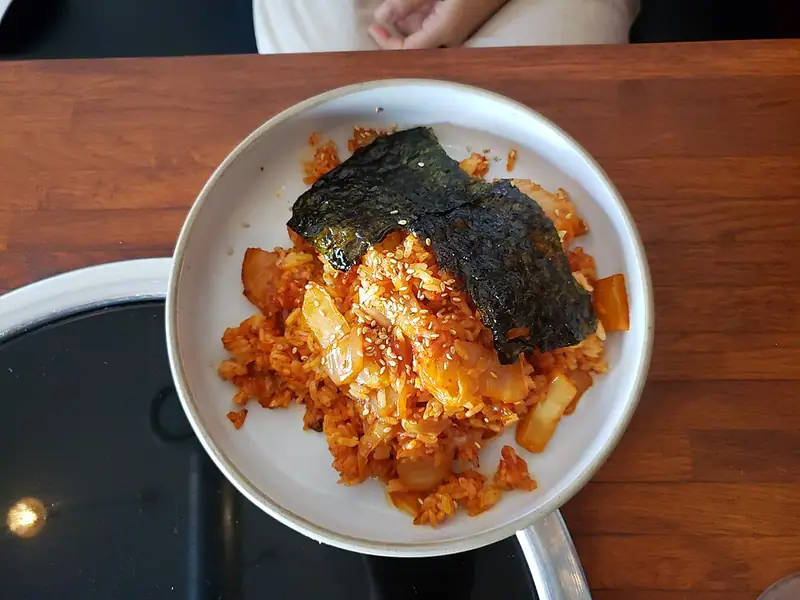
Napa Cabbage Kimchi
Napa cabbage salted, coated in a chilli and fermented seafood paste, and left to ferment until it fizzes. Two days…