Korean Beef Bowl
Beef mince cooked in soy, brown sugar, sesame oil, garlic and gochujang, served over rice with cucumber and spring onion.
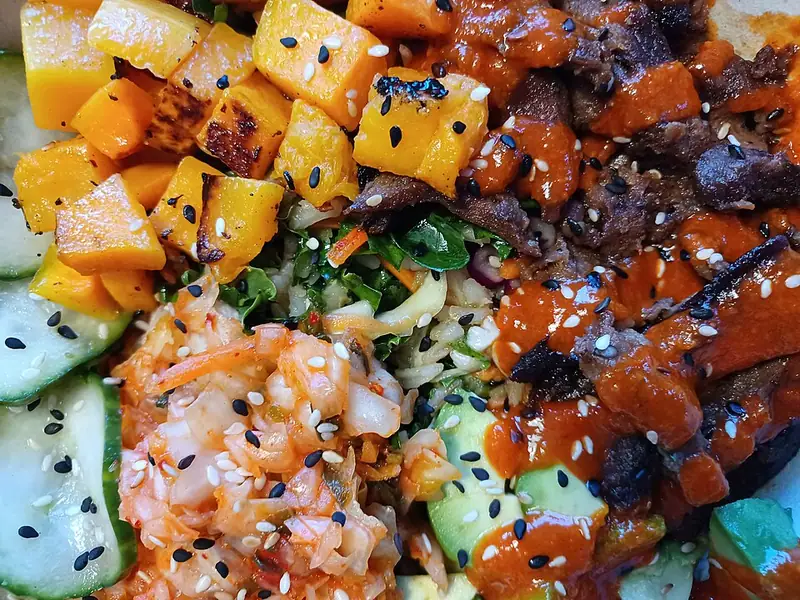
Photograph credit: Korean Kimchi Beef Bowl by Mx. Granger · CC0 · Wikimedia Commons
Where This Goes Wrong
Brown the beef in a hot pan.
Break it up as it cooks.
If your pan runs hot, lower the heat after adding the sauce.
Add a fried egg.
How to Make Korean Beef Bowl
Tap a step to highlight it, or turn on Cook Mode for large type and step-by-step focus.
-
Rinse the rice, then simmer it in 500 ml water, covered, for 12 minutes. Leave covered off the heat.
-
Heat a large pan over high heat. Brown the beef for 6 minutes, breaking it up, until no pink remains.
-
Add the garlic and ginger for 30 seconds, then the soy sauce, sugar, sesame oil and gochujang. Simmer for 2 minutes until the sauce clings.
-
Serve over the rice with the cucumber, spring onions and sesame seeds.
Related guide: Choosing rice.
Something wrong or unclear in this recipe? Report a problem with this recipe.
What's Going On Here
It is a weeknight dish built on a short list of cupboard sauces: soy, brown sugar, sesame oil, garlic and gochujang. The name comes from the style of seasoning, which is sweet, salty and a little hot.
Start the rice first, so that it is ready when the beef is. Rinse it until the water runs clear, then simmer it in 500 ml of water, covered, for 12 minutes. Brown the beef in a very hot pan, and break it up as it cooks. If the pan is crowded or cool, the meat steams and turns grey instead of browning.
Cook for about 6 minutes, until no pink is left and the edges have crisped. Add the garlic and ginger for 30 seconds, then pour in the sauce: soy, sugar, sesame oil and gochujang. Simmer for 2 minutes until it clings to the meat.
Serve over the rice with cucumber slices, spring onions and a sprinkle of sesame seeds. A fried egg on top makes it a meal. If your pan runs hot, lower the heat once the sauce goes in.
Leftovers, Reheating and Keeping
Keeps in the fridge for 3 days. Reheat until steaming hot.
Changing the Recipe
- Out of spring onions? A small regular onion, finely sliced, or a few chives stirred in at the end both cover the job.
- If you only have ground ginger, a quarter-teaspoon for each tablespoon of fresh is the ratio usually given; it tastes warmer and less bright than the fresh root.
- An eighth of a teaspoon of garlic powder per clove is the stand-in usually given when you are out of fresh garlic; it will not brown the same way, and it burns easily, so add it with the liquid.
Good With
- Kimchi
- Fried egg
- Steamed greens
- Cold barley tea
Korean Beef Bowl Nutrition
Per serving, calculated from the ingredient list with USDA FoodData Central figures (SR Legacy). A calculation, not a laboratory analysis: brands, cuts and how you measure change the real numbers. How the figures are worked out.
Your notes on this recipe
Cooked this? Keep a note for next time
Compiled by Turab
Checked by script for timings, diet labels and nutrition arithmetic. How the recipes are checked. Found a mistake? Tell us.
First published ; last changed .
You Might Also Like
More Korean cooking and dinner ideas from Weekly Delight.

Instant Pot Korean Beef
Thin slices of beef cooked under pressure in a gochujang, soy and sesame sauce, served with rice and sliced spring…
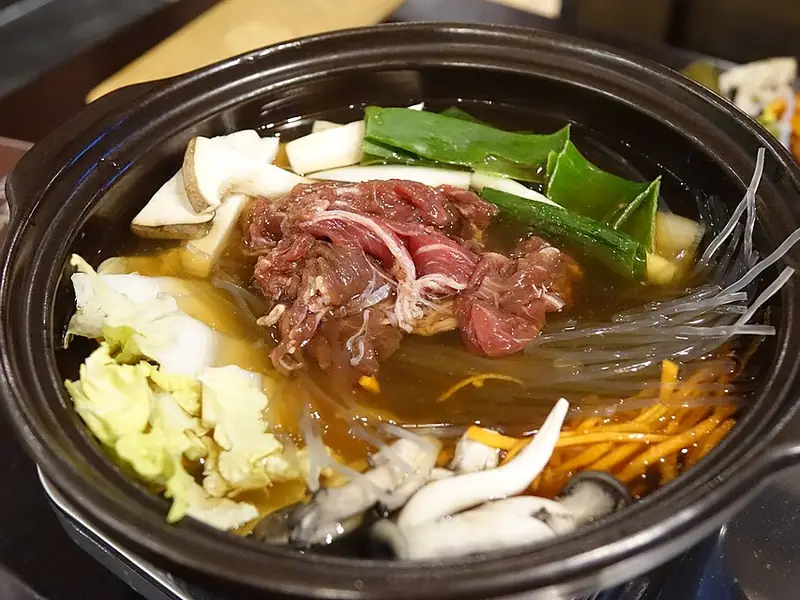
Beef Bulgogi
Thinly sliced beef marinated in soy, pear and sesame, then seared fast so it caramelises without stewing. Twenty…
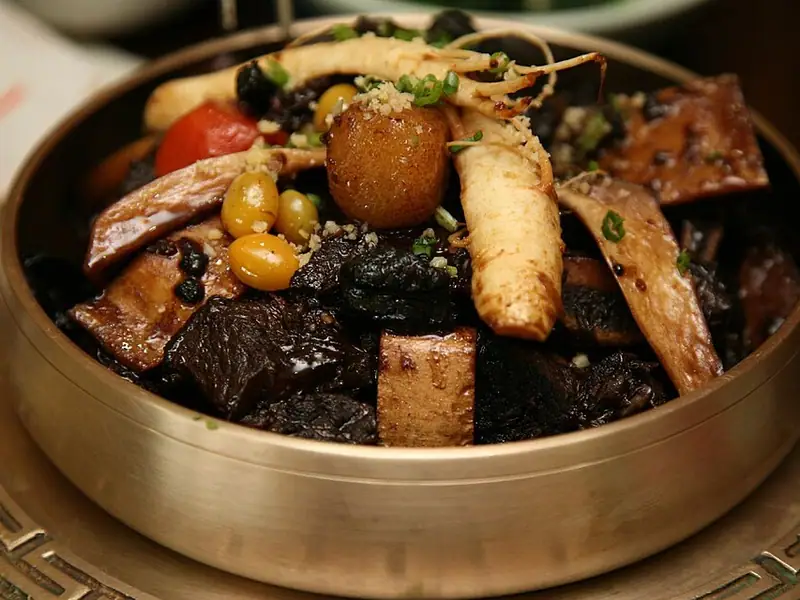
Galbi (Korean Short Ribs)
Beef short ribs butterflied thin, marinated in soy, pear and sesame, and grilled over fire until the sugars char…
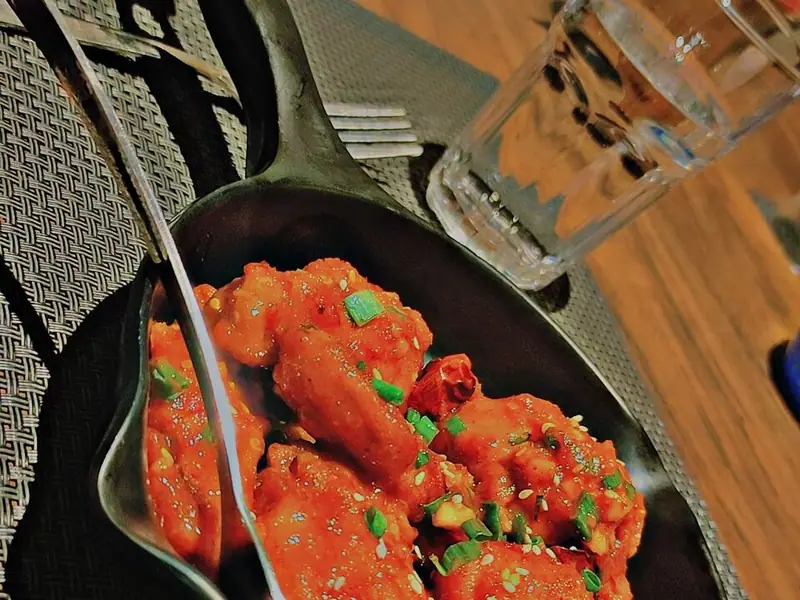
Korean Fried Chicken
Double-fried until the crust is glassy and stays crisp under the sauce, then glazed in sticky sweet-hot gochujang…

Galbi Jjim
Beef short ribs soaked, parboiled and braised for two hours in a sweet soy sauce with grated pear, garlic and…


Yukgaejang
A fiery Korean beef soup of shredded brisket, bean sprouts, plenty of spring onions and glass noodles, seasoned with…