Low-Carb Meatballs
Beef meatballs bound with parmesan and ground almonds, browned and simmered in passata, with almost no carbohydrate.

Photograph credit: Meatballs by Happy Krissy · CC BY 2.0 · Flickr
Make Ahead and Storage
Keeps for 3 days in the fridge. Freeze in the sauce for 2 months.
Making Low-Carb Meatballs
Tap a step to highlight it, or turn on Cook Mode for large type and step-by-step focus.
-
Mix the mince, parmesan, almonds, egg, garlic, parsley, oregano and half the salt with your hands until just combined. Roll into 20 balls.
-
Heat the oil in a wide pan and brown the meatballs for 8 minutes, turning gently.
-
Pour in the passata and remaining salt, cover and simmer for 12 minutes until cooked through.
-
Serve with the sauce spooned over.
Something wrong or unclear in this recipe? Report a problem with this recipe.
Tips for Success
- Mix lightly and do not squeeze the meat.
- Keep the meatballs about walnut-sized.
- Cut one open to check it is cooked.
Some Background
A weeknight dinner for four, made in one pan and ready in 35 minutes. The meatballs are bound with grated parmesan and ground almonds instead of breadcrumbs, which keeps the carbohydrate close to nothing and adds a savoury depth.
The almonds take up the juices as the meatballs cook, as breadcrumbs would, and the egg holds everything together. Use mince with some fat in it, about 15 per cent, so the meatballs stay tender. Mix with a light hand, only until combined. Roll them to about the size of a walnut, which cooks in 8 minutes and fits several to a spoonful of sauce.
Brown the meatballs in the pan first, turning them gently, then pour in the passata and let them finish in the sauce. The sauce picks up the browned flavour from the base of the pan. They are done when there is no pink in the centre of one cut open. Serve over courgette noodles or cauliflower mash, with extra parmesan.
What to Put Next to It
Courgette noodles · Cauliflower mash · Green salad
Sides from the same cuisine on this site: Rosemary Focaccia, Creamy Parmesan Polenta, Ciabatta.
Changing the Recipe
- An eighth of a teaspoon of garlic powder per clove is the stand-in usually given when you are out of fresh garlic; it will not brown the same way, and it burns easily, so add it with the liquid.
- Fresh herbs work in place of the dried oregano at roughly three times the quantity — a teaspoon of dried is about a tablespoon of fresh, chopped.
What's in a Serving
Per serving, calculated from the ingredient list with USDA FoodData Central figures (SR Legacy). A calculation, not a laboratory analysis: brands, cuts and how you measure change the real numbers. How the figures are worked out.
Your notes on this recipe
Cooked this? Keep a note for next time
Compiled by Turab
Checked by script for timings, diet labels and nutrition arithmetic. How the recipes are checked. Found a mistake? Tell us.
First published ; last changed .
You Might Also Like
More Italian cooking and dinner ideas from Weekly Delight.

Gluten-Free Meatballs
Beef meatballs bound with gluten-free breadcrumbs and egg, browned and simmered in tomato passata for 25 minutes.

Low-Carb Pizza
A pizza with a base of melted mozzarella, almond flour and cream cheese, topped with passata, mozzarella and…
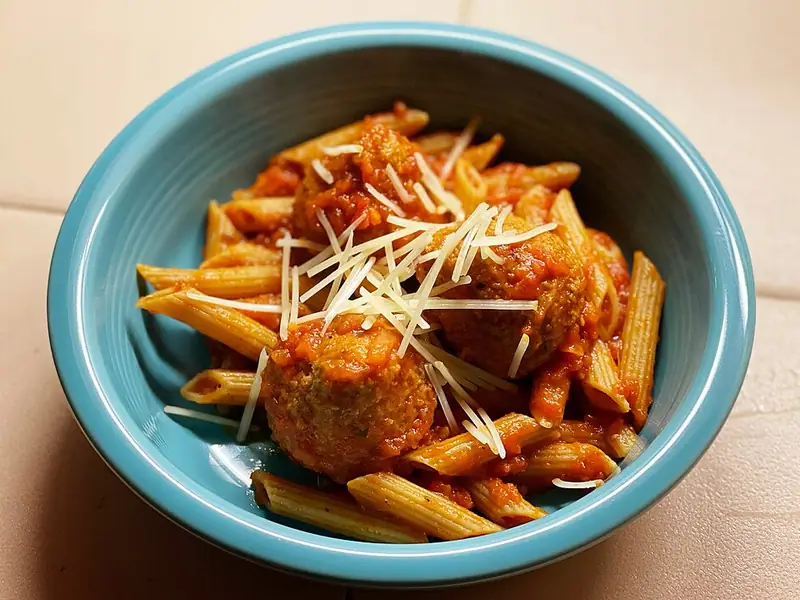
Baked Turkey Meatballs
Soft turkey meatballs bound with oats and egg, baked until browned and served in a quick tomato and basil sauce. Six…

Sheet Pan Meatballs
Beef and pork meatballs roasted on a tray with cherry tomatoes and garlic until browned and juicy. Four servings in…
Low-Carb Chicken Parmesan
Chicken cutlets coated in parmesan and ground almonds instead of breadcrumbs, topped with passata and mozzarella.
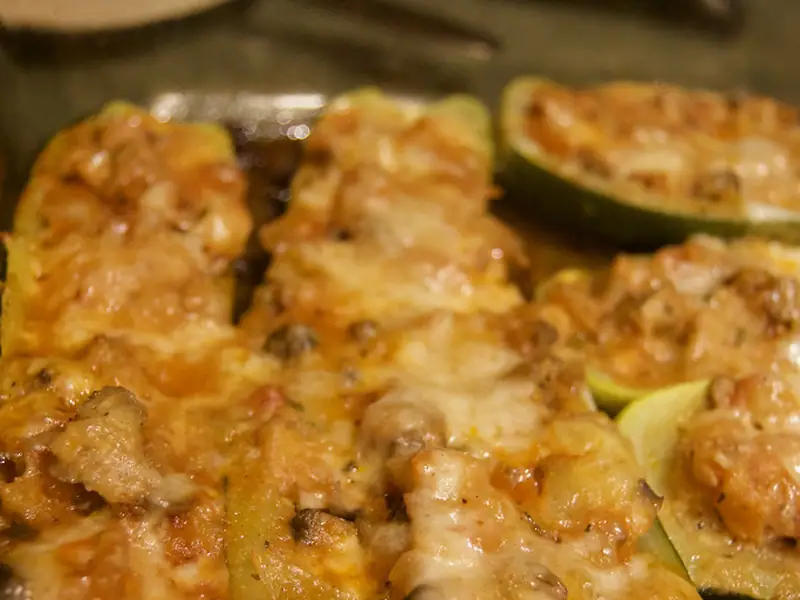
Stuffed Zucchini Boats
Zucchini halves scooped out and filled with Italian sausage, tomato and mozzarella, then baked for 30 minutes until…