Miso Ramen
Sapporo-style ramen: a miso tare whisked into rich pork or chicken broth, stir-fried pork and vegetables piled on top, and a slick of aromatic oil sealing in the heat.
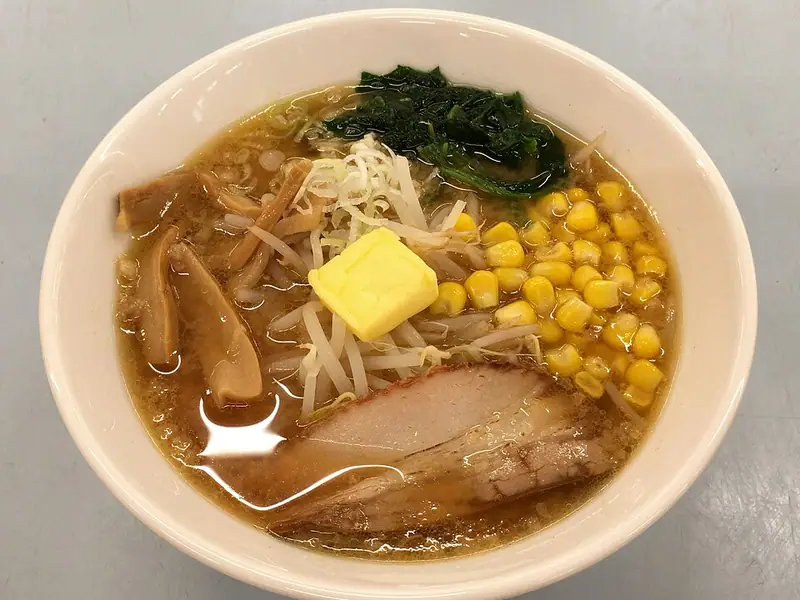
Photograph credit: Butter corn miso ramen of Yokohama Hakkeirou by 毒島みるく · CC0 · Wikimedia Commons
Storing and Planning Ahead
Tare keeps 3 weeks refrigerated and broth 4 days. Cook noodles and toppings fresh for each bowl.

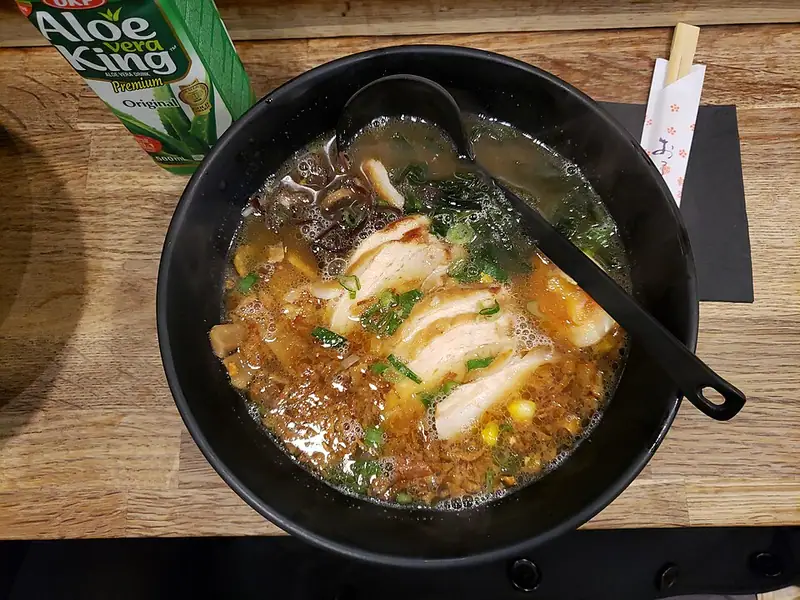
Photograph credit: Chicken miso butter ramen - Goemon Ramen Bar by Andy Li · CC0 · Wikimedia Commons
How to Make Miso Ramen
Tap a step to highlight it, or turn on Cook Mode for large type and step-by-step focus.
-
Whisk all the tare ingredients together into a smooth paste. Divide it between four deep, pre-warmed bowls — about 3 tablespoons each.
-
Bring the stock to a bare simmer and keep it hot. Do not add the miso to the pot.
-
Heat the neutral oil in a wok over high heat and fry the minced pork hard for 5 minutes until browned and crisp at the edges.
-
Add the beansprouts and sweetcorn and toss for 90 seconds — they should stay crunchy.
-
Boil the noodles for the time on the packet, usually 90 seconds to 2 minutes, and drain very thoroughly.
-
Ladle the hot stock into each bowl and whisk it into the tare until fully dissolved.
-
Add a teaspoon of sesame oil to each bowl and swirl — this is the aroma layer that keeps the soup hot.
-
Lower a nest of noodles into each bowl and lift it gently with chopsticks so the strands separate.
-
Top with the pork mixture, half an egg, spring onions, a knob of butter and a sheet of nori. Serve immediately.
Something wrong or unclear in this recipe? Report a problem with this recipe.
Tips for Success
- Never boil the miso. Whisk it into the bowl and pour the broth over.
- Warm the bowls. A cold bowl drops the soup below serving temperature before it reaches the table.
- Drain the noodles hard. Water clinging to them dilutes the broth you spent hours on.
Behind the Recipe
Miso is never boiled: its aromatics are volatile and a rolling boil flattens them, so the tare is whisked into the bowl and the hot broth poured over. The layer of aroma oil on the surface is functional — it traps heat, which is why a good ramen stays scalding to the last mouthful.
Serving Ideas
A cold beer · Gyoza on the side · Extra chilli oil at the table
Sides from the same cuisine on this site: Nasu Dengaku.
Swaps and Variations
- Out of spring onions? A small regular onion, finely sliced, or a few chives stirred in at the end both cover the job.
- Dried chilli flakes can stand in for the chilli. Heat varies a great deal between chillies and between jars, so start with a small pinch and add more to taste.
- If you only have ground ginger, a quarter-teaspoon for each tablespoon of fresh is the ratio usually given; it tastes warmer and less bright than the fresh root.
What's in a Serving
No nutrition figures are given for this recipe: they cannot be worked out reliably from its ingredient list (some ingredient lines cannot be read). Why some recipes have none.
Your notes on this recipe
Cooked this? Keep a note for next time
Compiled by Turab
Checked by script for timings, diet labels and nutrition arithmetic. How the recipes are checked. Found a mistake? Tell us.
First published ; last changed .
You Might Also Like
More Japanese cooking and dinner ideas from Weekly Delight.
Tonkotsu Ramen
The milky, collagen-heavy pork broth that made Hakata famous, boiled hard for eight hours until the fat and gelatine…
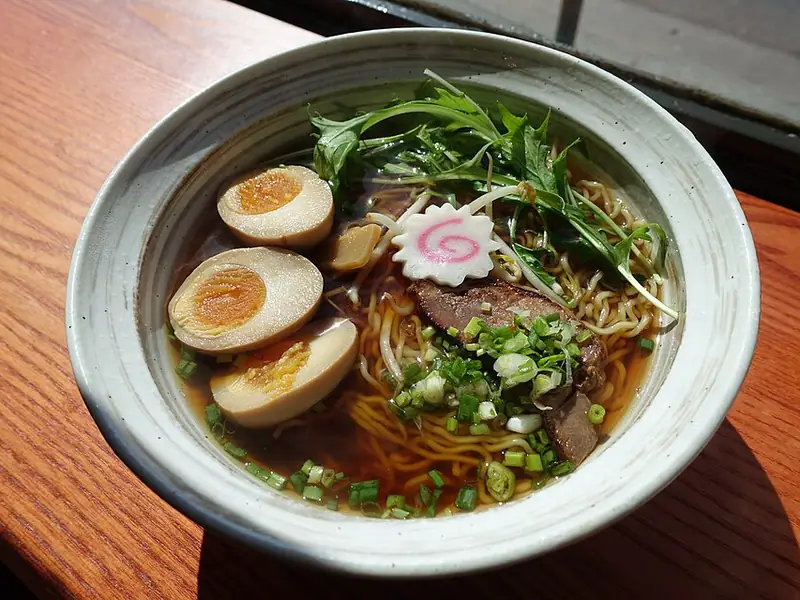
Shoyu Ramen
A clear chicken broth seasoned with a soy tare, with chashu pork, a marinated egg and thin curled noodles. The…

Beef Ramen
Thin sirloin slices laid over ramen noodles in a soy and garlic broth, with a soft egg, spring onions and chilli oil.

Instant Pot Ramen
A rich pork and miso broth with ramen noodles, soft-boiled eggs and sweetcorn, built in one pot and on the table in…
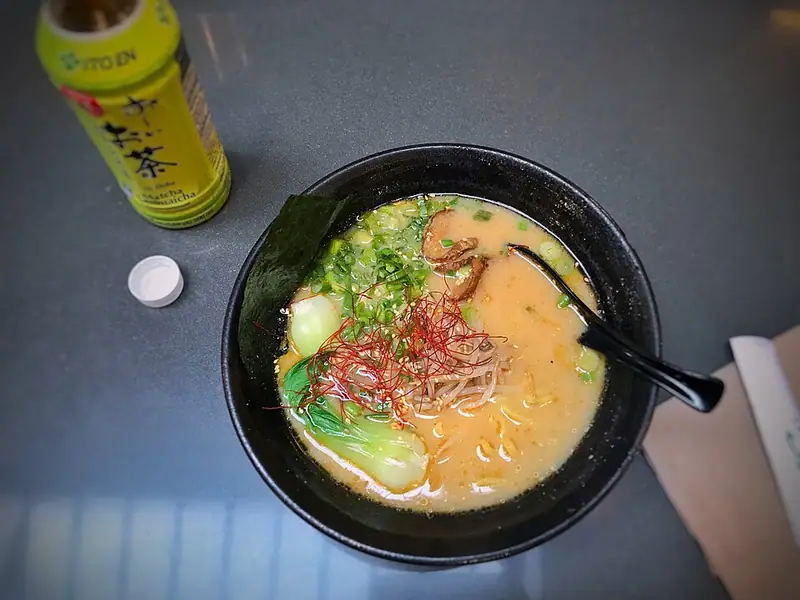
Vegan Ramen
A miso and mushroom broth with wheat noodles, tofu, pak choi and sweetcorn, simmered for 15 minutes and ready in 35.


Buta no Kakuni
Pork belly simmered for two and a half hours in dashi, soy and sake until a chopstick passes through it without…