Pav Bhaji
Mumbai's great street dish: a mash of vegetables cooked down on a giant griddle with a distinctive spice blend, mashed with butter until glossy, and served with soft buns griddled in yet more butter.
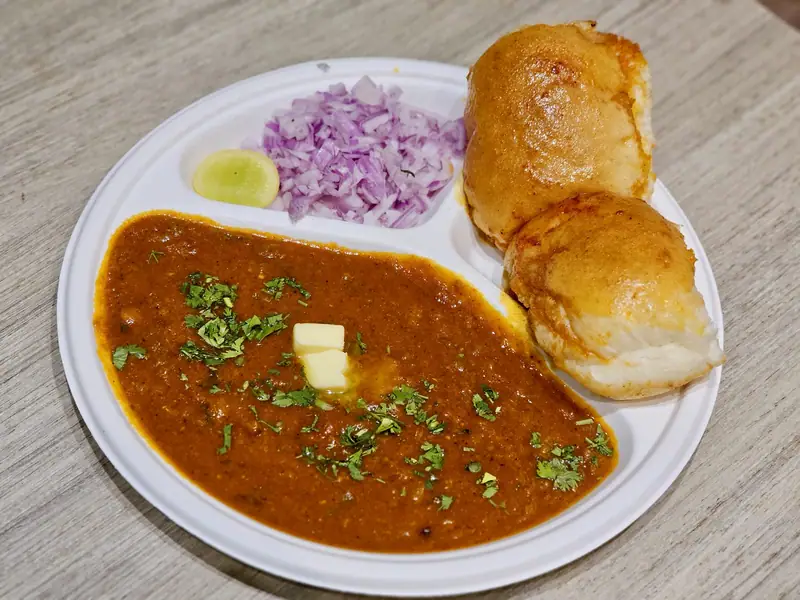
Photograph credit: Spicy pav bhaji with butter on top, served with soft toasted buns and onions. A popular Mumbai dish captured in Kurla, Mumbai. by Bigul Malayi · CC0 1.0 · Wordpress

Photograph credit: Pav bhaji !2 by Khushi Shah 280 · CC0 1.0 · Wikimedia
Method
Tap a step to highlight it, or turn on Cook Mode for large type and step-by-step focus.
-
Boil the potatoes, cauliflower, carrot and peas together until very soft, about 15 minutes. Drain, reserving 300 ml of the water, and mash roughly.
-
Melt half the butter in a wide, heavy pan. Fry the onions for 8 minutes until soft and golden.
-
Add the ginger-garlic paste for 2 minutes, then the green pepper for 3 minutes.
-
Add the tomatoes, chilli powder, turmeric and half the pav bhaji masala and cook 12 minutes, mashing constantly, until the tomatoes collapse entirely and the mixture darkens.
-
Add the mashed vegetables, the remaining masala, salt and the reserved cooking water. Mash hard with a potato masher for 5 minutes over medium heat until glossy and uniform.
-
Add the remaining butter in three additions, mashing it in each time, and simmer 5 minutes more. Finish with lemon juice and most of the coriander.
-
Melt the butter for the pav in a wide frying pan with the teaspoon of masala. Press the split rolls cut side down and griddle 90 seconds until golden and buttery.
-
Serve the bhaji with a knob of butter on top, the hot pav alongside, and raw onion, coriander and lemon to scatter.
Chef’s Tips
- Pav bhaji masala is a specific blend and there is no good substitute. Buy it rather than approximating with garam masala.
- Do not be shy with the butter. This is a dish defined by it, and halving it gives you a bland vegetable mash.
- A potato masher, used aggressively and repeatedly, is the real technique here.
Common Substitutions & Variations
- A quarter-teaspoon of ground ginger per tablespoon of fresh is the standard ratio if you are working from the spice rack rather than a fresh root.
- An eighth of a teaspoon of garlic powder per clove is the usual stand-in when you are out of fresh garlic — it will not caramelise the same way, but it carries the flavour.
Pairing Suggestions
- Cold cola or a salted lassi
- Extra lemon and raw onion
- Kulfi afterwards
Storage & Reheating
Refrigerate up to 4 days and freeze 2 months. Reheat with a splash of water and a fresh knob of butter.
Common questions
How long does Pav Bhaji take to make?
About 55 minutes in total — 20 minutes of preparation and 35 minutes of cooking. The recipe serves 4.
What are the key tips for making Pav Bhaji?
Pav bhaji masala is a specific blend and there is no good substitute. Buy it rather than approximating with garam masala. Do not be shy with the butter. This is a dish defined by it, and halving it gives you a bland vegetable mash. A potato masher, used aggressively and repeatedly, is the real technique here.
What should I serve with Pav Bhaji?
Cold cola or a salted lassi; Extra lemon and raw onion; Kulfi afterwards.
Can Pav Bhaji be made ahead or frozen?
Refrigerate up to 4 days and freeze 2 months. Reheat with a splash of water and a fresh knob of butter.
Is Pav Bhaji suitable for a special diet?
This recipe is vegetarian and no added sugar. Those labels are checked against the ingredient list, so a dish is only marked when nothing in it contradicts the claim.
How many calories are in Pav Bhaji?
About 582 kcal per serving, with 12 g protein, 68 g carbohydrate and 30 g fat. The figures are calculated from the ingredient list and are an estimate.
Nutritional Highlights
Per serving, calculated from the ingredient list. Treat these as an estimate — brands and cuts vary.
Reader Reviews
Cooked this? Leave a review
Written and tested by Turab
One person, one kitchen — no test kitchen, no team. How every recipe on this site is checked before it goes up.
Related Recipes
More Indian cooking and lunch ideas from Weekly Delight.
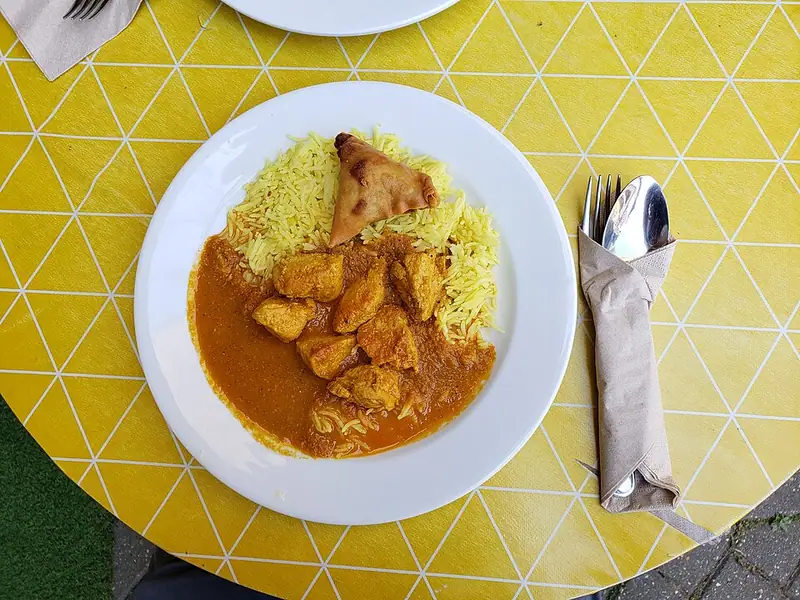
Chicken Tikka Masala
Charred yogurt-marinated chicken folded into a silky, gently spiced tomato-cream sauce — the most ordered curry in…
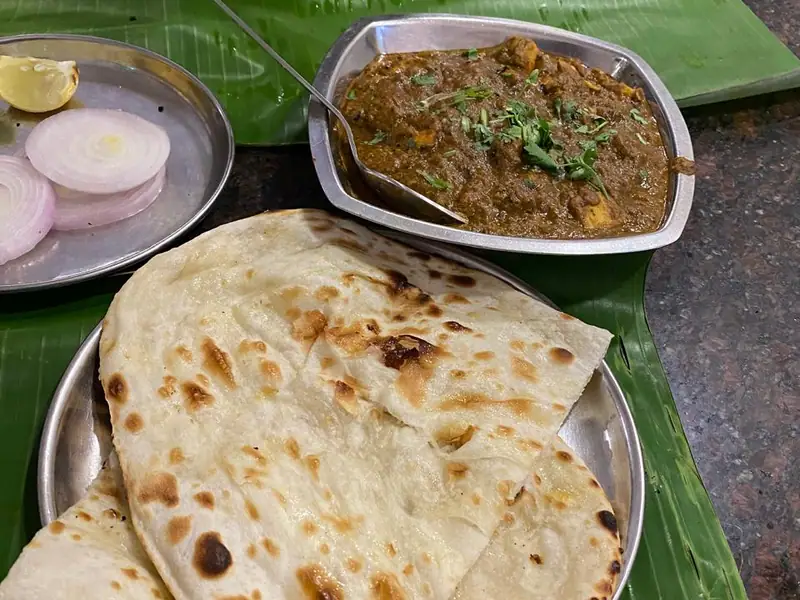
Butter Chicken (Murgh Makhani)
Delhi's murgh makhani: tandoori chicken finished in a sauce of tomatoes, butter and cream, balanced with a whisper…
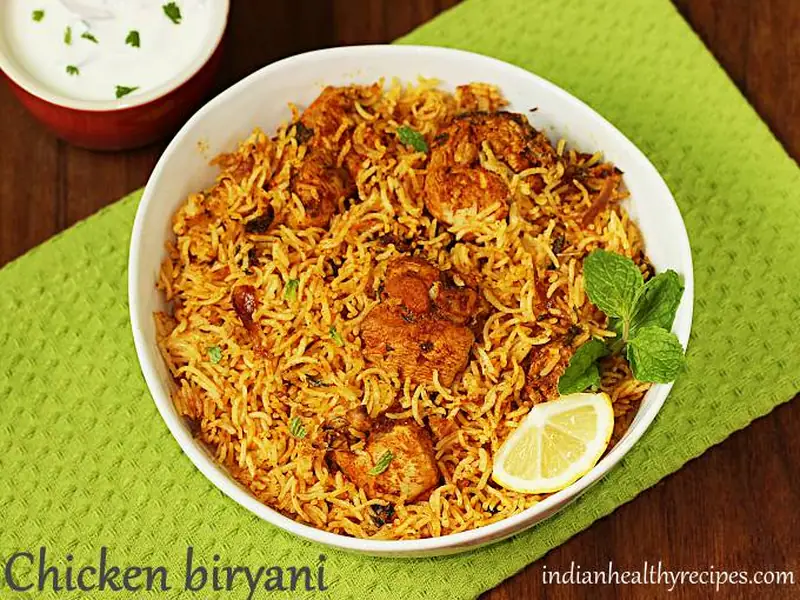
Hyderabadi Chicken Biryani
Hyderabadi dum biryani, where marinated chicken and part-cooked rice are layered raw and sealed to steam in their…
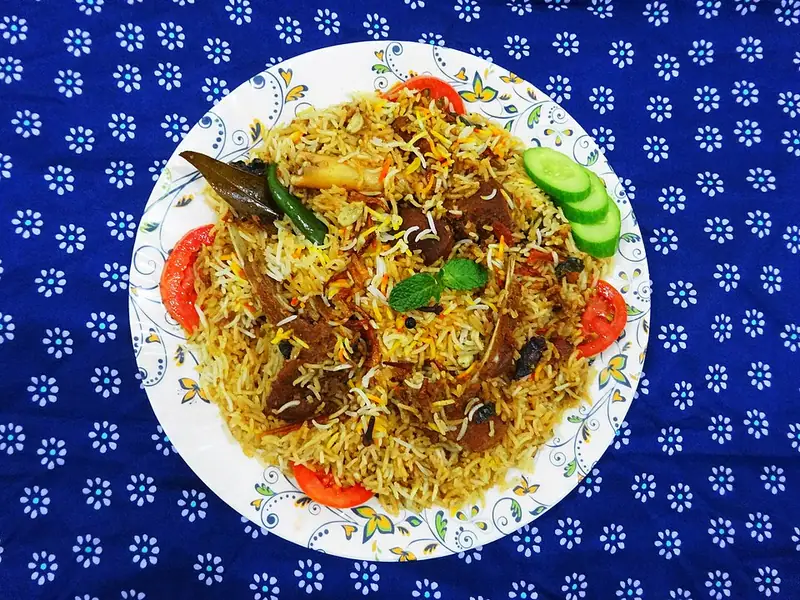
Hyderabadi Biryani
Marinated raw lamb layered under half-cooked rice and sealed with dough, so the meat and rice cook together in…