Risotto alla Milanese
The saffron risotto that Milan built its reputation on: bone-marrow rich, sunset gold, and finished with a violent beating of cold butter and Parmigiano that makes it ripple across the plate. Naturally gluten-free and quietly luxurious.
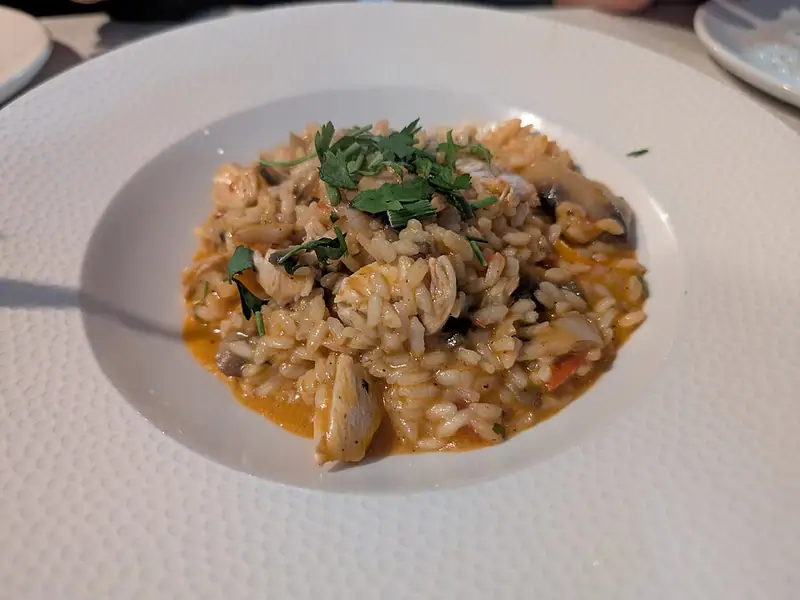
Photograph credit: RISOTTO POLLO E FUNGHI - Marrocco's 2025-05-09 by Andy Li · CC0 · Wikimedia Commons

Photograph credit: Risotto, Mazatlán, 3 de mayo de 2023 05 by El Nuevo Doge · CC0 · Wikimedia Commons
How to Cook Risotto alla Milanese
Tap a step to highlight it, or turn on Cook Mode for large type and step-by-step focus.
-
Steep the saffron in 60 ml of the hot stock and set aside — a 20-minute soak extracts far more colour and aroma than adding threads directly.
-
Sweat the onion in the olive oil and 20 g of the butter over low heat for 8 minutes, until translucent and completely without colour.
-
Add the rice and toast for 2 to 3 minutes, stirring, until the grains turn glassy at the edges with an opaque white centre. This tostatura sets the grain so it holds its bite.
-
Pour in the wine and stir until fully absorbed.
-
Add hot stock a ladleful at a time, stirring often and waiting until each addition is nearly absorbed before adding the next. Keep the pan at a steady, gentle bubble for 16 to 18 minutes.
-
At the 15-minute mark, stir in the saffron infusion. The rice should be al dente with a slight chalk at the very centre and the mixture loose enough to spread slowly.
-
Take the pan off the heat. Add the remaining cold butter and the Parmigiano and beat hard with a wooden spoon for a full minute — this is the mantecatura and it is not optional.
-
Rest for 1 minute, adjust with a last splash of stock, then serve on warm flat plates and tap the base so the risotto spreads into a wave.
Related guides: Choosing rice · Ingredient substitutions.
Something wrong or unclear in this recipe? Report a problem with this recipe.
Keep an Eye on These
- Cold butter, hot rice. The temperature difference is what makes the emulsion tight rather than greasy.
- Never rinse risotto rice; you would be washing away the exact starch you are trying to release.
- If your risotto stands stiffly on the plate, it is too dry. It should settle slowly like lava.
Swaps and Variations
- A dry vermouth keeps for longer than an open bottle of white wine and is the closer swap than a random white left in the fridge; for an alcohol-free version, use the same amount of stock with a squeeze of lemon.
A Little Background
Carnaroli rice releases amylopectin starch gradually when agitated in hot liquid, and it is that starch — not cream — that makes risotto creamy. The final mantecatura, beating in ice-cold butter off the heat, emulsifies fat into the starch and gives the dish its signature wave, or all'onda.
On the Table Alongside
A Franciacorta or Gavi has the acid to lift the butter · Traditionally served alongside osso buco · Follow with sliced fennel and orange
Sides from the same cuisine on this site: Rosemary Focaccia, Tuscan Panzanella, Ciabatta.
Keeping Risotto alla Milanese
Keeps 3 days refrigerated but loses its wave. Best repurposed: shape cold risotto into arancini, or reheat in a pan with extra stock, stirring until loose again.
What's in a Serving
Per serving, an approximate calculation from the ingredient list. Treat it as a rough guide: where a line offers a choice of foods, only one of them is counted. The calories include 3 g of alcohol a serving, which is not part of the protein, carbohydrate or fat. How the figures are worked out.
Vegetarian when made with vegetable stock rather than chicken stock and made with a hard cheese made without animal rennet in place of the parmigiano-reggiano.
Your notes on this recipe
Cooked this? Keep a note for next time
Compiled by Turab
Checked by script for timings, diet labels and nutrition arithmetic. How the recipes are checked. Found a mistake? Tell us.
First published ; last changed .
You Might Also Like
More Italian cooking and dinner ideas from Weekly Delight.
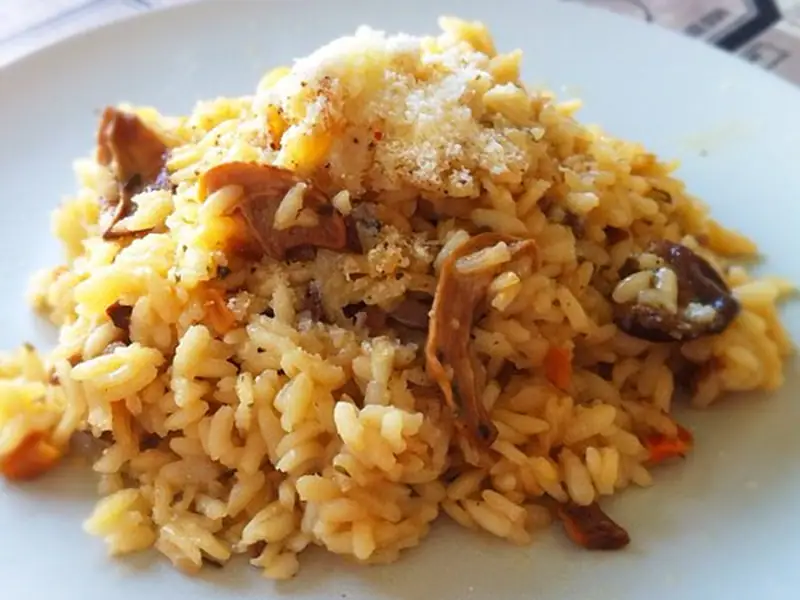
Risotto ai Funghi Porcini
Rice cooked in mushroom stock made from the soaking water of dried porcini. That water is the flavour and pouring it…
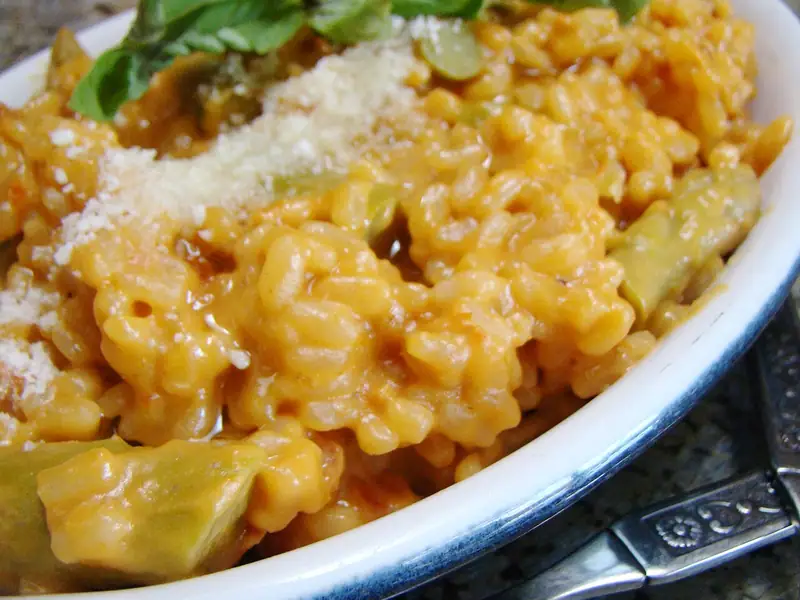
Risotto agli Asparagi
Creamy risotto with asparagus tips stirred in at the end and a stock made from the trimmed stalks, ready in 40…

Risotto al Radicchio
Creamy risotto with red radicchio softened in butter and red wine, finished with Parmesan, in 40 minutes.
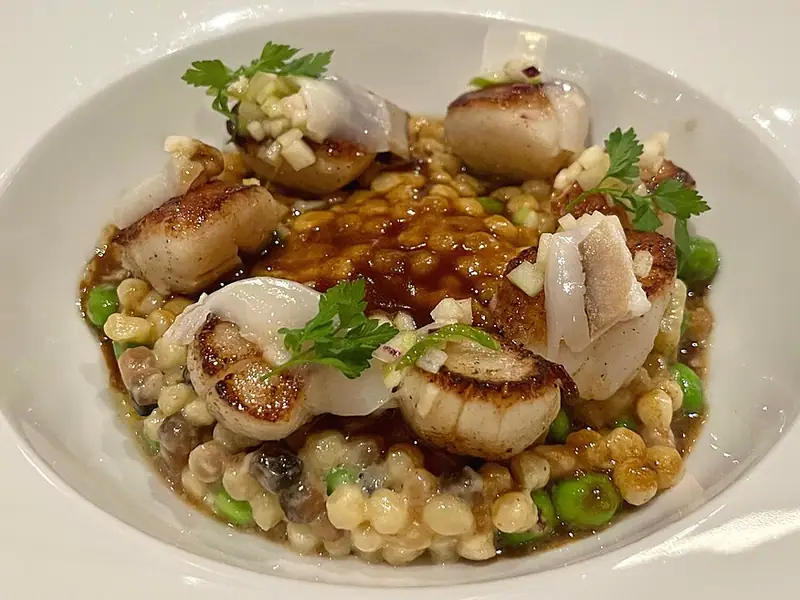
Scallop Risotto
Creamy parmesan-free risotto finished with pan-seared scallops, lemon zest and chives.

Slow Cooker Risotto
Arborio rice, stock, onion, white wine and parmesan cooked on high for 2 hours 30 minutes in the slow cooker into a…


Butternut Squash Risotto
Creamy risotto made with roasted butternut squash, some of it mashed into the rice and the rest kept in golden…