Artisan Sourdough Bread
An open-crumb country loaf with a blistered, mahogany crust and a genuine tang. Long autolyse, gentle handling and a Dutch oven are the three things that matter.
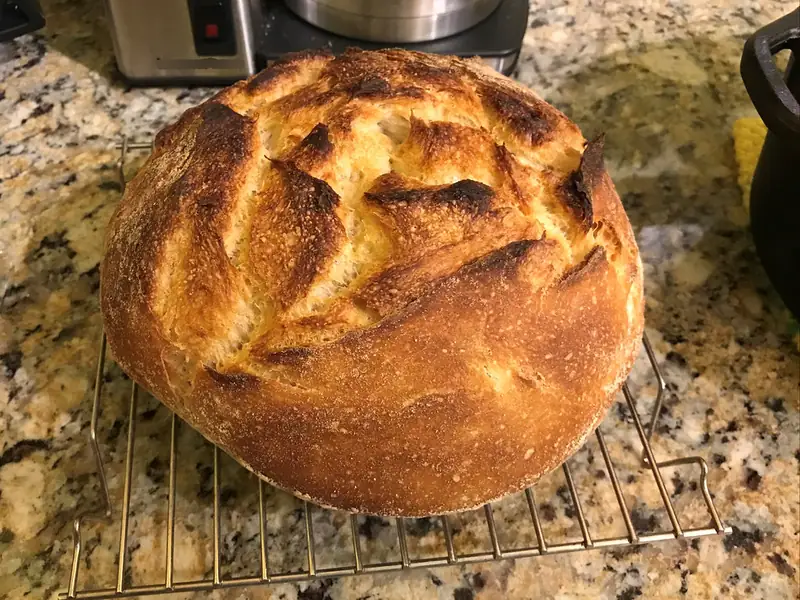
Photograph credit: Loaf of sourdough bread cooling by Nutrition, Food Safety & Health · CC0 1.0 · Flickr
Method
Tap a step to highlight it, or turn on Cook Mode for large type and step-by-step focus.
-
Mix both flours with 340 ml of the water until no dry patches remain. Cover and rest for 1 hour — this autolyse hydrates the flour and begins gluten development with no work from you.
-
Add the starter and squeeze it through the dough until fully incorporated. Rest 30 minutes.
-
Add the salt and the remaining 20 ml of water and squeeze through again. The dough will loosen, then come back together.
-
Over the next 3 hours, perform four sets of coil folds 45 minutes apart: wet your hands, lift the dough from the middle, let it stretch, and fold it under itself, rotating a quarter turn each time.
-
Continue bulk fermentation at 24 to 26°C until the dough has risen by about 60%, feels airy and jiggly, and shows bubbles on the surface — typically 5 to 7 hours in total.
-
Turn out gently onto a lightly floured surface and pre-shape into a loose round. Rest, uncovered, for 25 minutes.
-
Shape into a tight boule or bâtard, building surface tension by dragging the dough toward you across the counter. Place seam-side up in a banneton dusted heavily with rice flour.
-
Cover and refrigerate for 12 to 16 hours. The cold retard develops flavour and firms the dough for scoring.
-
Heat a Dutch oven inside the oven at 250°C / 480°F for 45 minutes. Turn the loaf out onto baking paper, score decisively with a blade at a 30-degree angle, and lower it in.
-
Bake covered for 20 minutes, then uncovered at 220°C / 430°F for 22 to 25 minutes until deep brown. Cool on a rack for at least 2 hours before cutting.
Chef’s Tips
- Judge bulk fermentation by rise and feel, not the clock. Kitchen temperature changes everything.
- Score once, deeply and confidently. Tentative scoring produces a loaf that bursts at the side.
- Cutting into a hot loaf gives you a gummy crumb — the starch is still setting as it cools.
Pairing Suggestions
- Good butter and flaky salt
- Serve with soup, cheese or olive oil
- Use day-old slices for the best toast of your life
Storage & Reheating
Cut-side down on a board for 3 days, or freeze sliced for 3 months. Never refrigerate bread — it stales several times faster.
Common questions
How long does Artisan Sourdough Bread take to make?
About 1 hour 45 minutes of hands-on work — 1 hour of preparation and 45 minutes of cooking — plus 20 hours 30 minutes of chilling, so allow 22 hours 15 minutes from start to finish. The recipe serves 8.
What are the key tips for making Artisan Sourdough Bread?
Judge bulk fermentation by rise and feel, not the clock. Kitchen temperature changes everything. Score once, deeply and confidently. Tentative scoring produces a loaf that bursts at the side. Cutting into a hot loaf gives you a gummy crumb — the starch is still setting as it cools.
What should I serve with Artisan Sourdough Bread?
Good butter and flaky salt; Serve with soup, cheese or olive oil; Use day-old slices for the best toast of your life.
Can Artisan Sourdough Bread be made ahead or frozen?
Cut-side down on a board for 3 days, or freeze sliced for 3 months. Never refrigerate bread — it stales several times faster.
Is Artisan Sourdough Bread suitable for a special diet?
This recipe is vegan, dairy-free, vegetarian and no added sugar. Those labels are checked against the ingredient list, so a dish is only marked when nothing in it contradicts the claim.
How many calories are in Artisan Sourdough Bread?
About 232 kcal per serving, with 8 g protein, 46 g carbohydrate and 1 g fat. The figures are calculated from the ingredient list and are an estimate.
Nutritional Highlights
Per serving, calculated from the ingredient list. Treat these as an estimate — brands and cuts vary.
Reader Reviews
Cooked this? Leave a review
Written and tested by Turab
One person, one kitchen — no test kitchen, no team. How every recipe on this site is checked before it goes up.
Related Recipes
More American cooking and baking ideas from Weekly Delight.
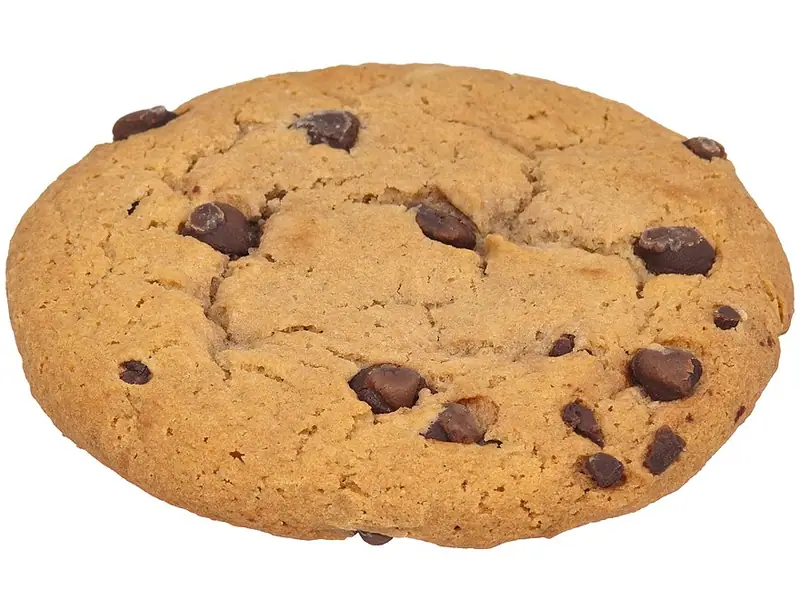
Brown Butter Chocolate Chip Cookies
Brown butter, a 24-hour rest and two sizes of chocolate produce cookies with crisp edges, a chewy middle and pools…

Fluffy Buttermilk Pancakes
Tall, tender pancakes with a tangy edge and a golden, even surface. The lumps in the batter are not a mistake — they…

Classic Smash Cheeseburger
A smash burger with lace-edged, deeply browned patties, American cheese melted to the edges and a soft toasted bun…
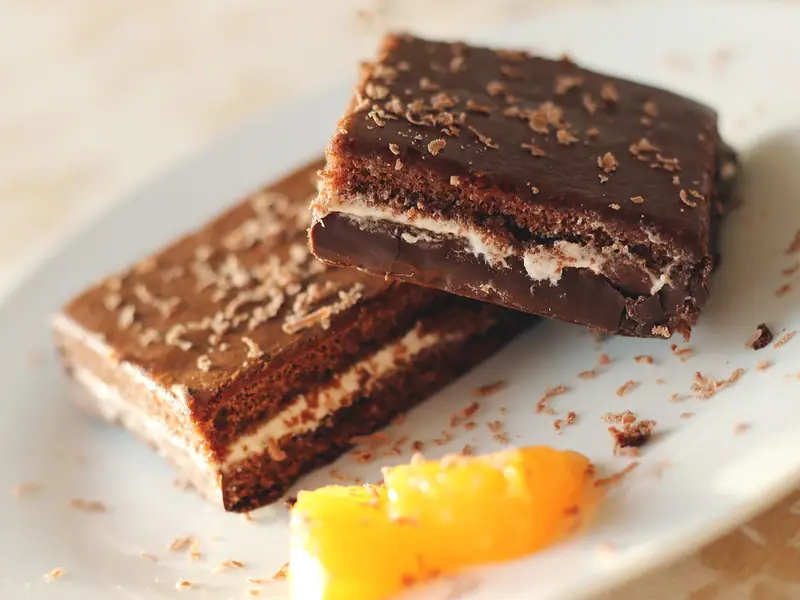
Fudgy Cocoa Brownies
Cocoa-based brownies with a paper-thin crackly top and a dense, fudgy middle. No chocolate to melt, no mixer needed…