Zhajiangmian
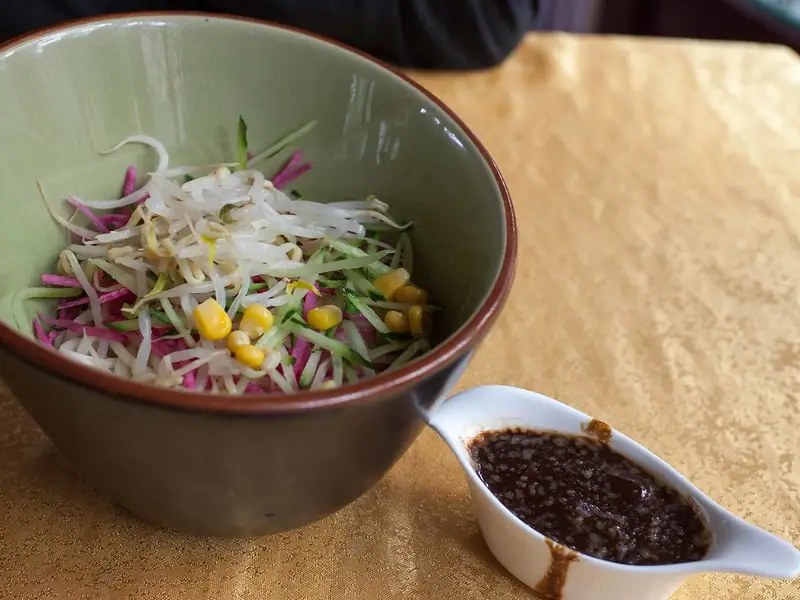
Thick wheat noodles under a dark salty pork sauce and a heap of raw shredded vegetables that you mix in yourself at the table.
Photograph credit: beijing style fried sauce noodle, Zhajiangmian by whatapar · CC BY 2.0 · Flickr
What Goes With It
- Raw garlic cloves, traditionally
- A cold beer
- Smashed cucumber
Sides from the same cuisine on this site: Di San Xian, Green Bean Stir Fry, Hot and Sour Potato Strips.

Photograph credit: Dao xiao mian @ Zhajiangmian Noodles @ Fresh Noodles @ Rue Saint-Denis @ Paris by *_* · CC BY 2.0 · Flickr
How to Make Zhajiangmian
Tap a step to highlight it, or turn on Cook Mode for large type and step-by-step focus.
-
Mix the two bean pastes with 100 ml of the water to loosen them.
-
Fry the diced pork belly in the oil over medium heat 10 minutes, until the fat has run and the meat is browned.
-
Add the onion, garlic and ginger and cook 5 minutes.
-
Add the loosened bean pastes and fry, stirring almost constantly, 20 minutes over medium-low heat, until very dark, thick and glossy.
-
Add the wine, sugar and the remaining water and simmer 10 minutes more, until the oil separates and rises.
-
Stir in the spring onions and take it off the heat.
-
Boil the noodles until just tender, drain and rinse briefly in cold water so they stay springy.
-
Divide the noodles between bowls, spoon the sauce into the centre and pile the raw vegetables around.
-
Mix everything together at the table before eating.
Something wrong or unclear in this recipe? Report a problem with this recipe.
Worth Knowing Before You Cook
Twenty minutes of frying the paste. Anything less tastes raw.
The sauce is meant to be too salty alone. The vegetables fix it.
Rinse the noodles so they stay springy under the sauce.
Changing the Recipe
- Out of spring onions? A small regular onion, finely sliced, or a few chives stirred in at the end both cover the job.
- If you only have ground ginger, a quarter-teaspoon for each tablespoon of fresh is the ratio usually given; it tastes warmer and less bright than the fresh root.
- An eighth of a teaspoon of garlic powder per clove is the stand-in usually given when you are out of fresh garlic; it will not brown the same way, and it burns easily, so add it with the liquid.
Keeping What's Left
The sauce refrigerates 5 days and freezes 3 months. Cook noodles to order.
What's in a Serving
No nutrition figures are given for this recipe: they cannot be worked out reliably from its ingredient list (some ingredient lines cannot be read). Why some recipes have none.
Your notes on this recipe
Cooked this? Keep a note for next time
Compiled by Turab
Checked by script for timings, diet labels and nutrition arithmetic. How the recipes are checked. Found a mistake? Tell us.
First published ; last changed .
You Might Also Like
More Chinese cooking and dinner ideas from Weekly Delight.
Yong Tau Foo
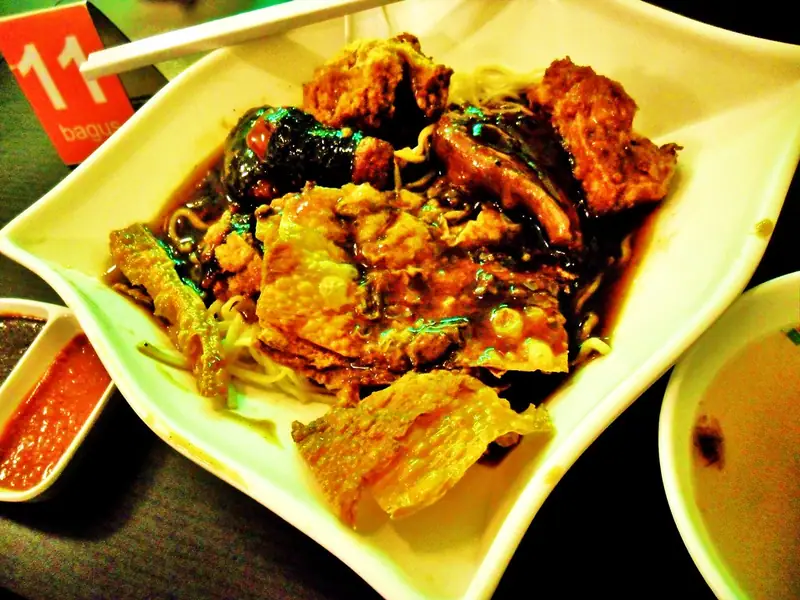
Tofu, peppers, aubergine and chillies stuffed with a fish and pork paste, fried and then simmered in a clear soup…
Yuxiang Rousi
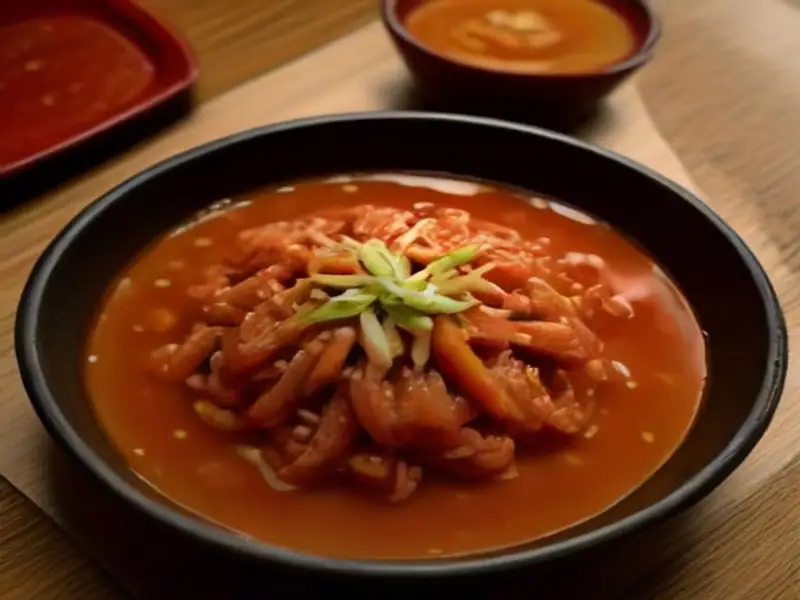
Shredded pork in a sweet, sour and hot sauce that contains no fish at all — the name refers to the seasonings…
Duo Jiao Yu Tou
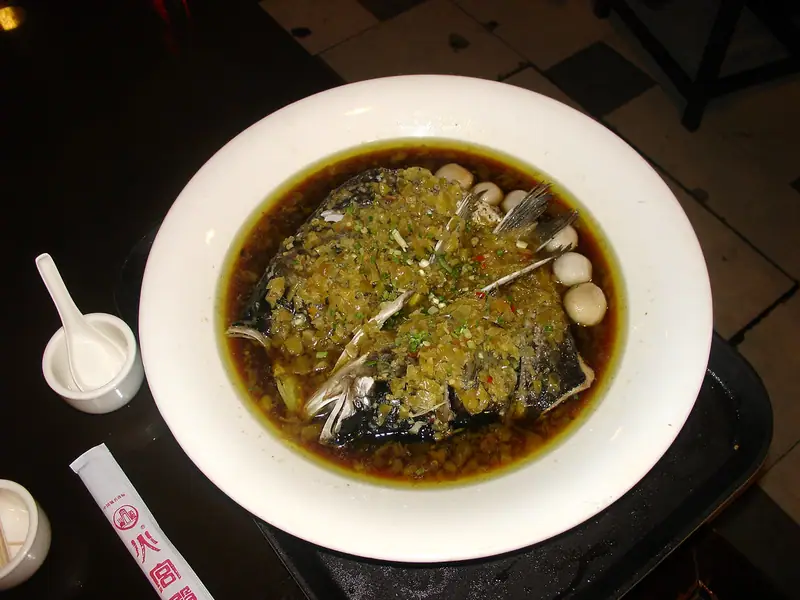
A split fish head steamed under a mound of chopped salted red chillies. Hunan's signature, and it uses fresh pickled…

Freezer Dumplings
Pork and cabbage dumplings pleated by hand, frozen on a tray and kept in bags, steamed from frozen in 10 minutes.
Home-Style Tofu
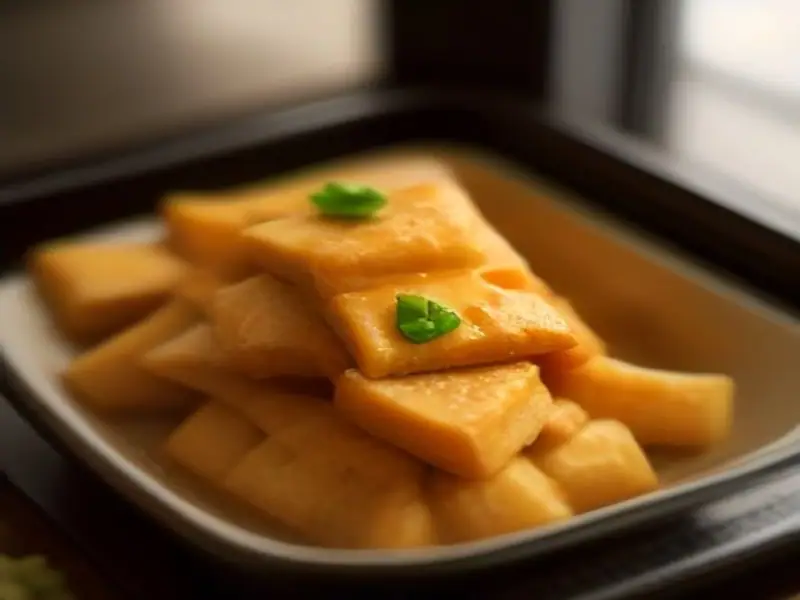
Tofu triangles fried until golden and puffed, then braised with pork and doubanjiang. What Sichuan households cook…
La Zi Ji
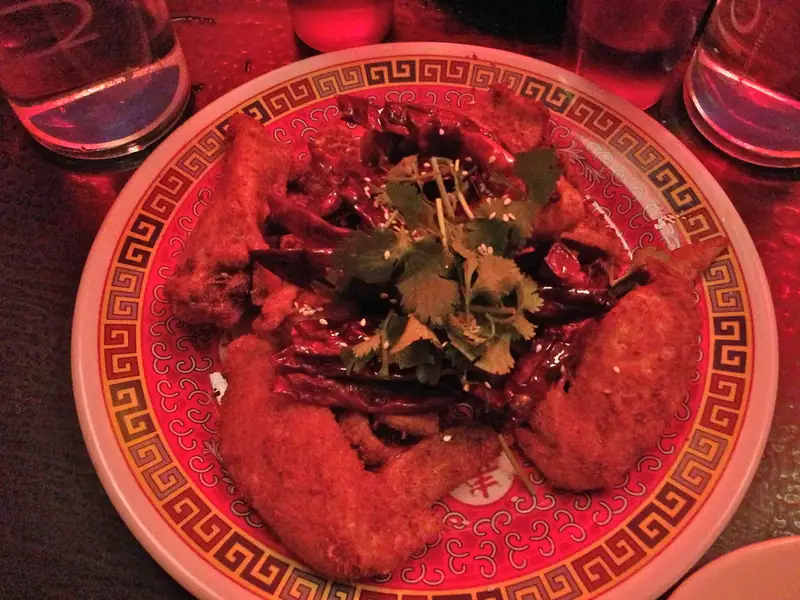
Fried chicken pieces buried in a wok of dried chillies and Sichuan pepper, from which you hunt out the chicken…