Burnt Ends
The fatty point of a beef brisket, rubbed and roasted low for hours, then cut into cubes and returned to the oven in butter, honey and barbecue sauce until sticky, dark and tender.
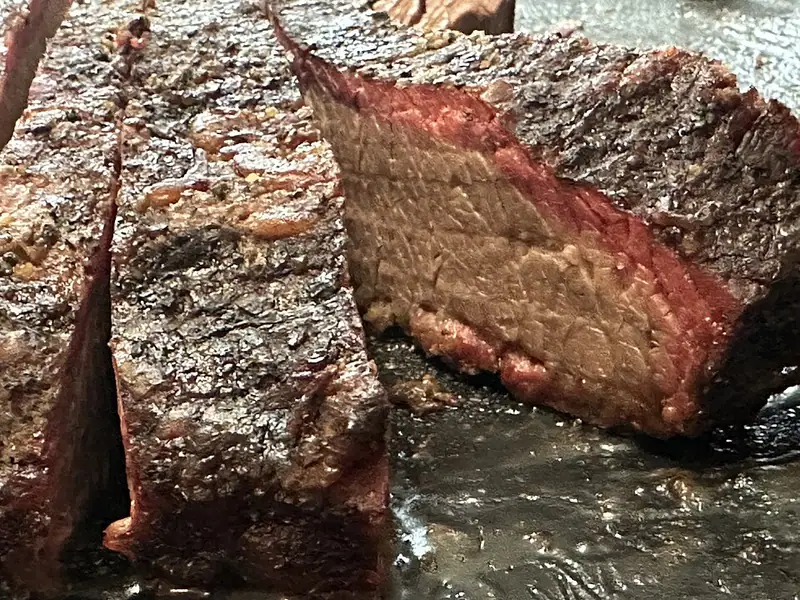
Photograph credit: Brisket Burnt Ends - 52598097262 by Wesley Fryer · CC BY 2.0 · Wikimedia Commons
How to Cook Burnt Ends
Tap a step to highlight it, or turn on Cook Mode for large type and step-by-step focus.
-
Heat the oven to 120°C / 250°F with a rack in the middle.
-
Mix the salt, pepper, first measure of sugar, paprika, garlic powder, onion powder and cayenne, and rub it over every surface of the brisket.
-
Set the brisket on a rack over a roasting tin and roast, uncovered, for 3 hours, until the surface is dark and firm.
-
Wrap the brisket tightly in a double layer of foil, pouring the stock in before you seal it. Return it to the oven for 1 hour 30 minutes, until a probe slides in with almost no resistance and the temperature is near 93°C / 200°F.
-
Unwrap it, keeping the juices, and rest the brisket on a board for 20 minutes.
-
Cut the brisket into 3 cm cubes and put them in a foil tin.
-
Whisk the barbecue sauce, honey, second measure of sugar, vinegar and the wrapping juices, pour it over the cubes, dot with the butter and toss.
-
Roast uncovered for 1 hour, stirring twice, until the sauce has reduced to a sticky glaze that clings to the meat.
-
Serve warm, straight from the tin.
Related guide: Prep, cook and total time.
Something wrong or unclear in this recipe? Report a problem with this recipe.
What Can Go Wrong
- Cook to feel and not to the clock. A brisket is ready when a probe slides in like it is going into soft butter, which is usually near 93°C / 199°F, but varies from one piece of meat to the next.
- Cut the cubes after the rest and not before. Cutting straight from the oven lets the juices run out onto the board.
- If you cannot find a brisket point, use a 1.8 kg beef chuck roast instead and cook it the same way. It is called poor man's burnt ends and it is tender and rich.
The Short Version
Burnt ends began in Kansas City barbecue restaurants as the trimmings pitmasters cut from the end of a brisket, the dark, fat-streaked point, and gave away or ate themselves. They became the thing people queued for, and they work because they are cooked twice. The first cook is a slow roast, which melts the tough collagen in the point into gelatine so the meat turns tender and rich, and the rub builds a dark bark on the outside. The second cook is the one that gives the name its meaning. The meat is cubed, so every piece has bark on several sides, tossed in butter, honey and barbecue sauce, and returned to the oven until the glaze reduces to a sticky lacquer that clings to the cubes. The point is used rather than the flat because it carries far more fat, and fat is what stops cubes of beef drying out during a second cook.
To Go With It
Creamy coleslaw · Baked beans · White bread and dill pickles
Sides from the same cuisine on this site: Artisan Sourdough Bread, New York Bagels, Creamy Coleslaw.
Keeping Burnt Ends
Keeps in the fridge for up to 4 days in their glaze. Reheat covered in a 150°C / 300°F oven for 20 minutes with a splash of stock. Freeze for up to 3 months.
Common Questions
How long does Burnt Ends take to make?
20 minutes of preparation and 5 hours 30 minutes of cooking, plus 20 minutes of resting, so allow 6 hours 10 minutes from start to finish. The recipe serves 8.
Burnt Ends Nutrition Facts
Per serving, calculated from the ingredient list with USDA FoodData Central figures (SR Legacy). A calculation, not a laboratory analysis: brands, cuts and how you measure change the real numbers. How the figures are worked out.
Your notes on this recipe
Cooked this? Keep a note for next time
Compiled by Turab
Checked by script for timings, diet labels and nutrition arithmetic. How the recipes are checked. Found a mistake? Tell us.
First published ; last changed .
You Might Also Like
More American cooking and dinner ideas from Weekly Delight.
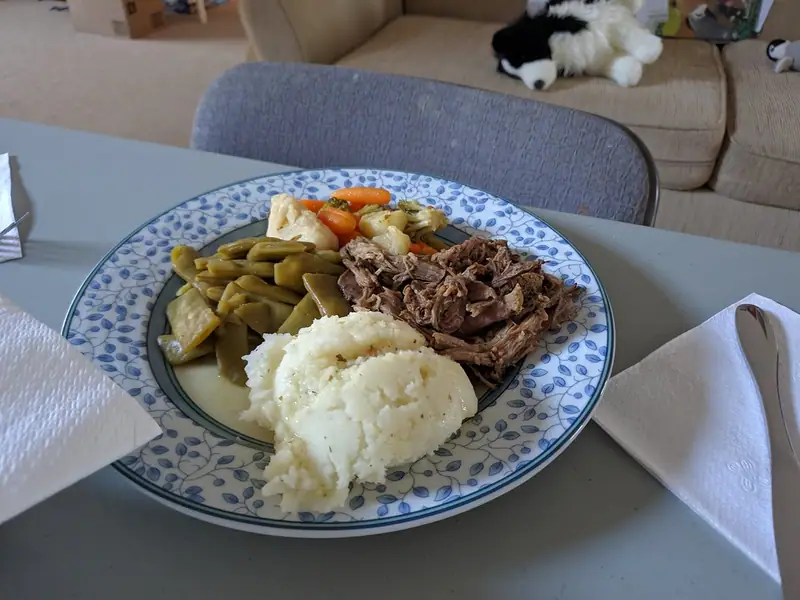
Mississippi Pot Roast
A chuck roast cooked all day in the slow cooker with butter, pepperoncini and a ranch and gravy seasoning, until it…
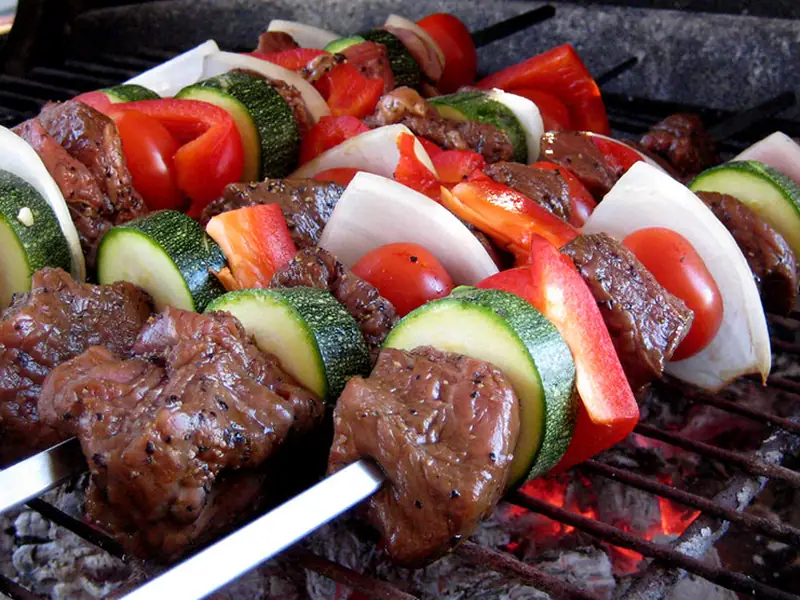
Steak Kabobs
Cubes of sirloin marinated in garlic, soy and balsamic, threaded on skewers with peppers, onions and mushrooms, and…
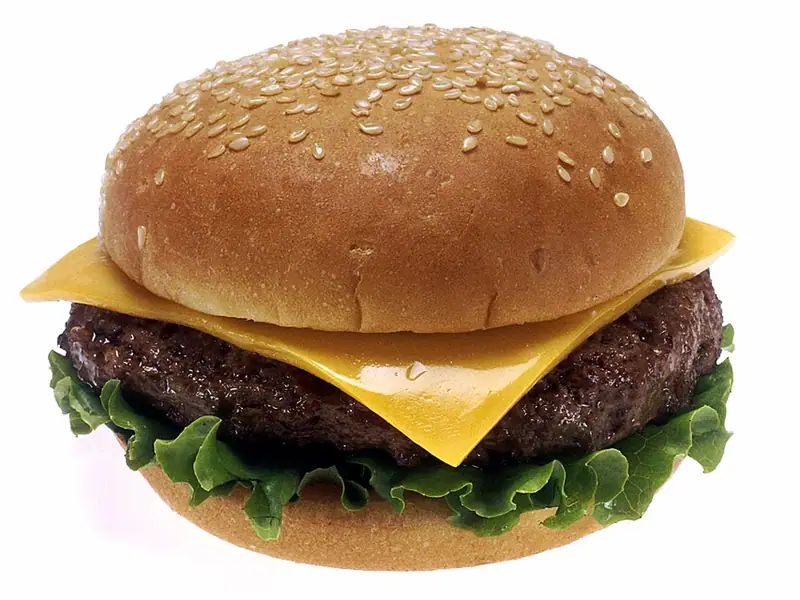
Classic Smash Cheeseburger
A smash burger with lace-edged, deeply browned patties, American cheese melted to the edges and a soft toasted bun…
Patty Melt
A burger patty between rye bread with caramelised onion and Swiss cheese, griddled like a toastie. Thirty-five…
Runza
Soft yeast bread pockets filled with seasoned ground beef, cabbage and onion and baked until golden. The Nebraska…


Sheet Pan Steak and Vegetables
Sirloin steak strips roasted on a tray with broccoli, peppers and red onion at 230C for 20 minutes with garlic and…