Crème Brûlée
A vanilla custard so smooth it barely holds a spoon, under a sheet of caramel thin enough to crack with a tap. The water bath and a low oven are what separate silk from scrambled egg.
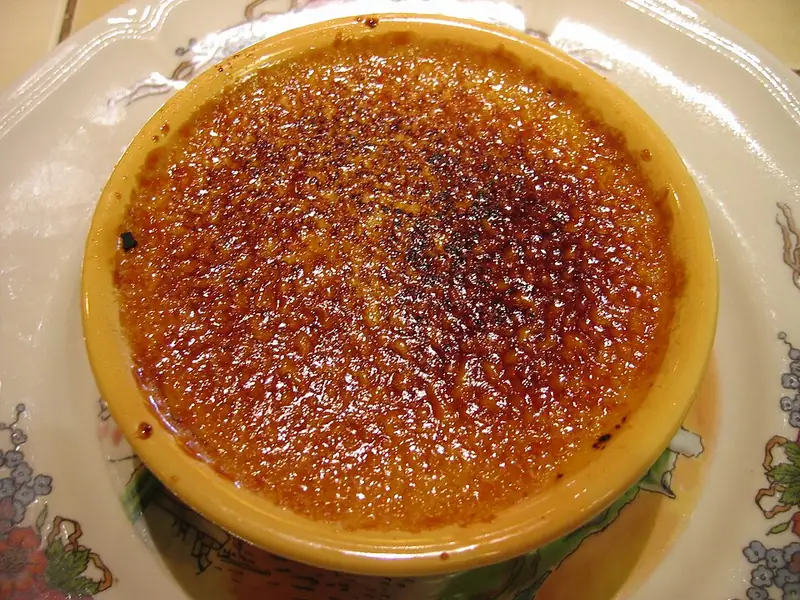
Photograph credit: Creme brulée by Arnaud 25 · Public domain · Wikimedia Commons
Method
Tap a step to highlight it, or turn on Cook Mode for large type and step-by-step focus.
-
Heat the cream, milk, salt and the vanilla pod and seeds to a bare simmer. Take off the heat and infuse, covered, for 20 minutes.
-
Whisk the yolks and caster sugar just until combined — whisking to a foam introduces bubbles that will pit the surface.
-
Remove the vanilla pod and pour the warm cream over the yolks in a slow stream, whisking gently.
-
Strain through a fine sieve into a jug and skim off any foam. Let it stand 10 minutes so remaining bubbles rise and can be lifted off.
-
Divide between six shallow ramekins and set them in a deep roasting tin. Pour boiling water into the tin to come halfway up the sides.
-
Bake at 150°C / 300°F for 35 to 45 minutes, until the custards are set at the edge with a 3 cm wobble in the middle when nudged.
-
Lift out of the water bath, cool to room temperature, then refrigerate for at least 4 hours or overnight.
-
Just before serving, blot any condensation from the surface, sprinkle a thin, even layer of demerara over each, and torch until it bubbles and turns amber. Rest 2 minutes for the caramel to harden.
Chef’s Tips
- Shallow, wide ramekins give a better custard-to-caramel ratio than deep ones and bake more evenly.
- No blowtorch? Sprinkle the sugar and put the ramekins under a screaming-hot grill for 2 to 3 minutes, watching constantly.
- Caramelise no more than 20 minutes before serving; the crust dissolves into the custard over time.
Common Substitutions & Variations
- Double cream won't whip if you swap it, but for the cooking itself, full-fat crème fraîche or a lower-fat single cream works in its place.
Pairing Suggestions
- Sauternes or a Muscat de Beaumes-de-Venise
- A few raspberries alongside cut the richness
- Follows steak frites or coq au vin beautifully
Storage & Reheating
The uncaramelised custards keep 3 days refrigerated under cling film. Do not freeze. Torch to order.
Common questions
How long does Crème Brûlée take to make?
About 1 hour of hands-on work — 20 minutes of preparation and 40 minutes of cooking — plus 4 hours of chilling, so allow 5 hours from start to finish. The recipe serves 6.
What are the key tips for making Crème Brûlée?
Shallow, wide ramekins give a better custard-to-caramel ratio than deep ones and bake more evenly. No blowtorch? Sprinkle the sugar and put the ramekins under a screaming-hot grill for 2 to 3 minutes, watching constantly. Caramelise no more than 20 minutes before serving; the crust dissolves into the custard over time.
What should I serve with Crème Brûlée?
Sauternes or a Muscat de Beaumes-de-Venise; A few raspberries alongside cut the richness; Follows steak frites or coq au vin beautifully.
Can Crème Brûlée be made ahead or frozen?
The uncaramelised custards keep 3 days refrigerated under cling film. Do not freeze. Torch to order.
Is Crème Brûlée suitable for a special diet?
This recipe is vegetarian and gluten-free. Those labels are checked against the ingredient list, so a dish is only marked when nothing in it contradicts the claim.
How many calories are in Crème Brûlée?
About 468 kcal per serving, with 6 g protein, 28 g carbohydrate and 38 g fat. The figures are calculated from the ingredient list and are an estimate.
Nutritional Highlights
Per serving, calculated from the ingredient list. Treat these as an estimate — brands and cuts vary.
Reader Reviews
Cooked this? Leave a review
Written and tested by Turab
One person, one kitchen — no test kitchen, no team. How every recipe on this site is checked before it goes up.
Related Recipes
More French cooking and desserts ideas from Weekly Delight.
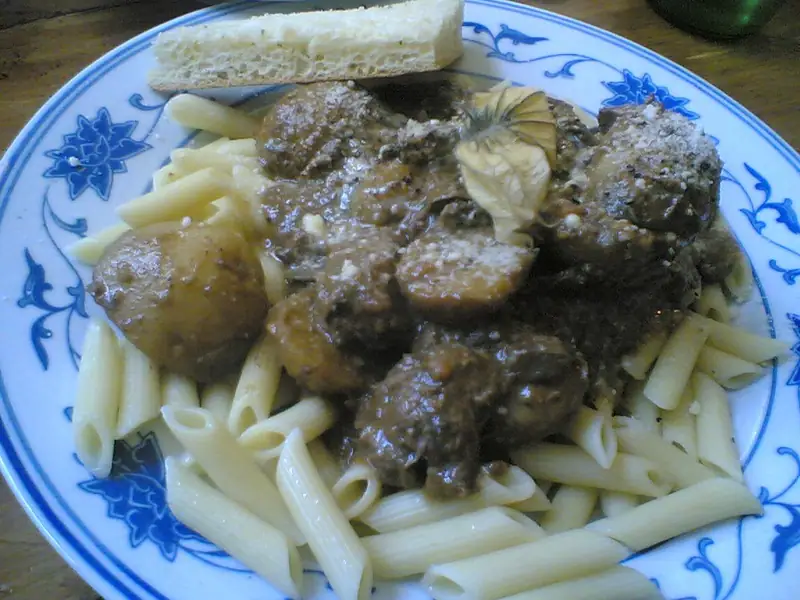
Beef Bourguignon
Julia Child put this Burgundian beef stew on every home cook's bucket list, and it earns the effort: beef braised…
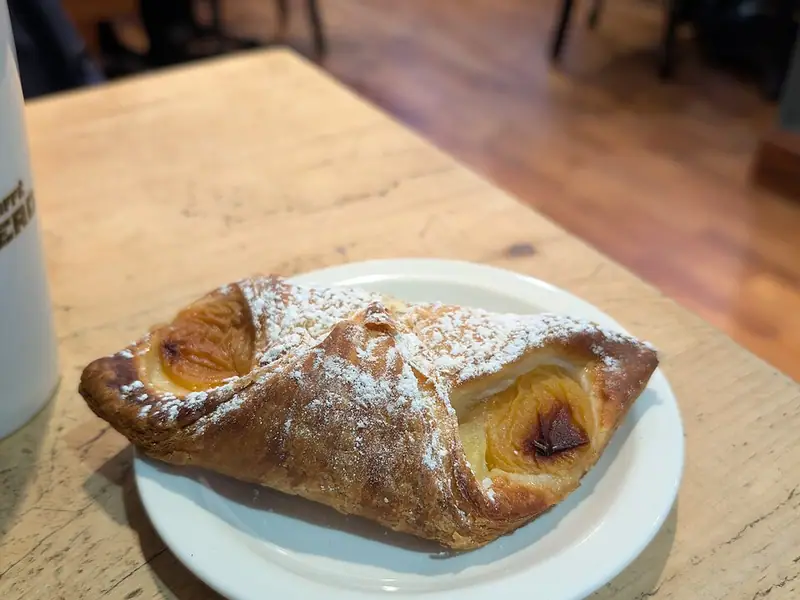
Butter Croissants
Genuinely laminated croissants with a honeycomb interior and a shattering shell — 27 layers of butter folded into…
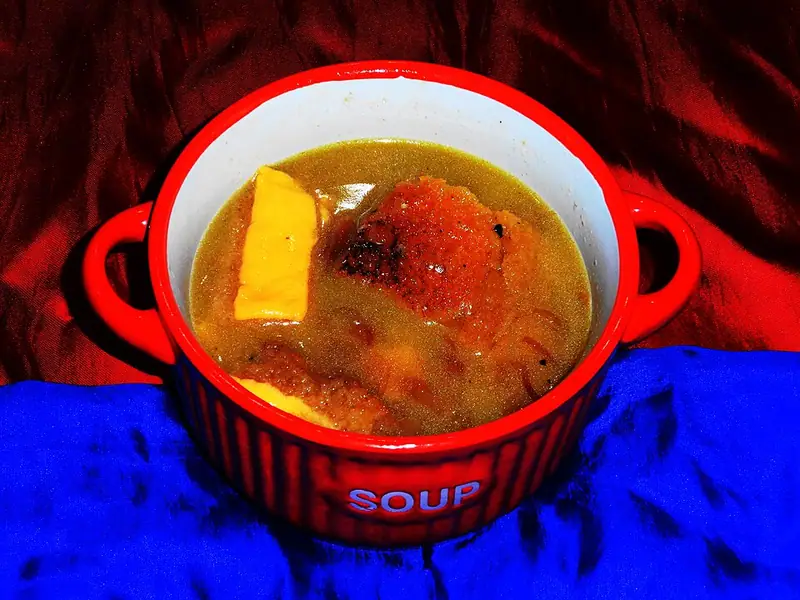
French Onion Soup
Forty-five minutes of patient caramelisation turns four pounds of onions into something meltingly sweet and mahogany…
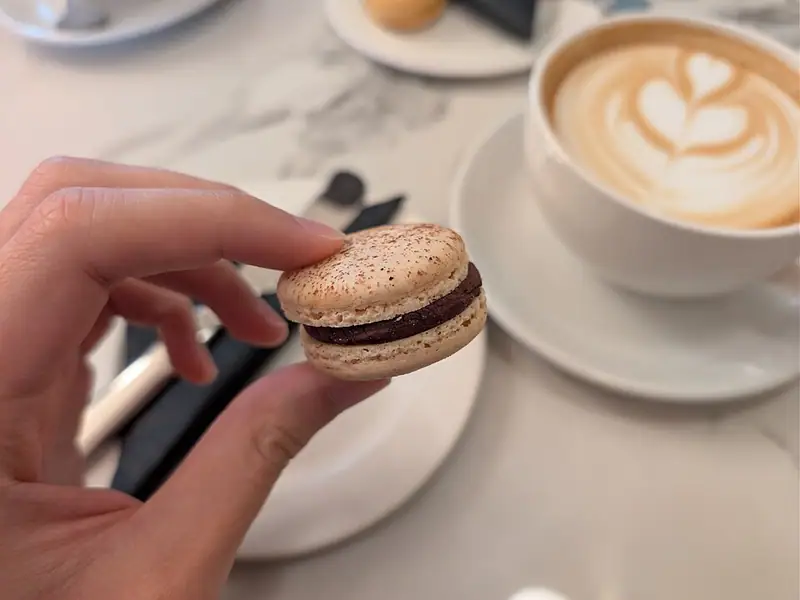

French Macarons
The Parisian macaron, with smooth domed shells, ruffled feet and a chewy centre. This uses the more forgiving French…