Moussaka
Layers of roasted aubergine, spiced lamb ragù and a thick béchamel enriched with egg yolks and kefalotyri, baked until the top puffs and browns. Greece's great Sunday dish.
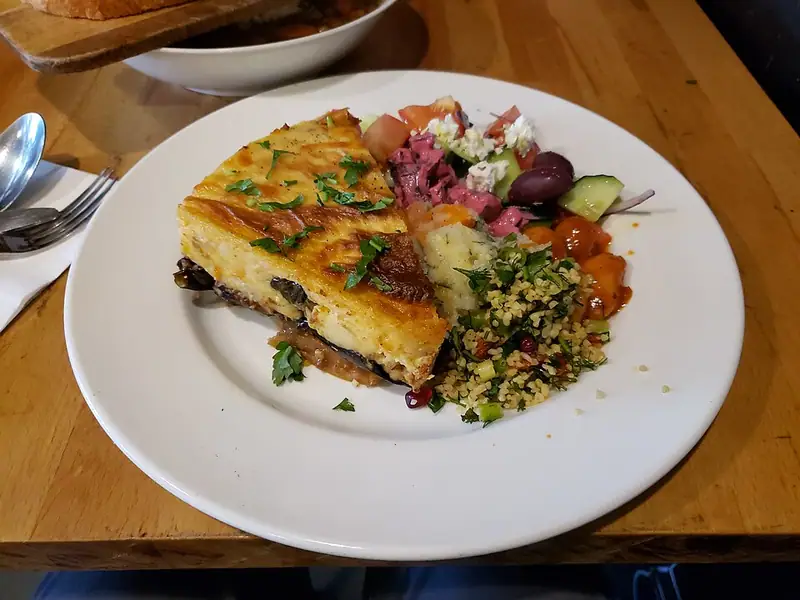
Photograph credit: Meat Moussaka - Kouzina, Brighton 2023-11-24 by Andy Li · CC0 · Wikimedia Commons
Where This Goes Wrong
The ragù must be thick enough to hold a trench when you drag a spoon through it.
Make it a day ahead — it slices better and tastes better after resting overnight.
Kefalotyri is worth seeking out for its sharp, salty edge, but Parmesan is a good substitute.
Cooking Moussaka
Tap a step to highlight it, or turn on Cook Mode for large type and step-by-step focus.
-
Salt the aubergine slices and leave in a colander for 30 minutes, then pat dry. Brush with olive oil and roast at 220°C / 430°F for 25 minutes, turning once, until golden and collapsed.
-
Brush the potato slices with oil and roast them on a second tray alongside the aubergine for 20 minutes, until tender.
-
While the aubergine salts and roasts, brown the lamb in the olive oil over high heat for 8 minutes, breaking it up, until well coloured. Drain off excess fat.
-
Add the onion and cook 8 minutes, then the garlic for 2 minutes, then the tomato purée for 2 minutes more.
-
Add the wine and reduce by half, then the tomatoes, cinnamon, allspice, bay, oregano and salt. Simmer uncovered for 30 to 35 minutes until thick and almost dry — a wet ragù makes a soggy moussaka.
-
While the ragù simmers, make the béchamel: melt the butter, whisk in the flour and cook 2 minutes. Add the warm milk in four additions, whisking smooth, then simmer 5 minutes until very thick.
-
Off the heat, whisk in the nutmeg, salt, most of the cheese, then the egg yolks one at a time.
-
Layer in a deep 30 x 22 cm dish: potatoes, half the aubergine, all the lamb, the remaining aubergine, then the béchamel.
-
Scatter with the remaining cheese and bake at 180°C / 355°F for 45 to 50 minutes until deeply golden and puffed.
-
Rest for at least 30 minutes before cutting. Moussaka will not hold a square straight from the oven.
Related guides: Prep, cook and total time · Pan and tin size.
Something wrong or unclear in this recipe? Report a problem with this recipe.
Why the Method Works
Roasting the aubergine rather than frying it drives off water without soaking up half a litre of oil, so the layers stay defined instead of collapsing into grease. Egg yolks whisked into the béchamel set it firm during baking, which is what allows moussaka to be cut into clean squares.
Leftovers, Reheating and Keeping
Refrigerate 4 days, freeze 3 months. Reheat covered at 170°C / 340°F for 30 minutes, uncovering at the end to re-brown.
Ingredient Swaps
- An eighth of a teaspoon of garlic powder per clove is the stand-in usually given when you are out of fresh garlic; it will not brown the same way, and it burns easily, so add it with the liquid.
- Fresh herbs work in place of the dried oregano at roughly three times the quantity — a teaspoon of dried is about a tablespoon of fresh, chopped.
What to Serve Alongside
- A Greek Agiorgitiko or a Sangiovese
- Serve with a horiatiki salad and bread
- Finish with Greek yogurt and honey
Common Questions About Moussaka
How long does Moussaka take to make?
40 minutes of preparation and 1 hour 10 minutes to 1 hour 20 minutes of cooking, plus 1 hour of salting and resting, so allow 2 hours 50 minutes to 3 hours from start to finish. The recipe serves 8.
Moussaka Nutrition Facts
Per serving, calculated from the ingredient list with USDA FoodData Central figures (SR Legacy). A calculation, not a laboratory analysis: brands, cuts and how you measure change the real numbers. The calories include 2 g of alcohol a serving, which is not part of the protein, carbohydrate or fat. How the figures are worked out.
Your notes on this recipe
Cooked this? Keep a note for next time
Compiled by Turab
Checked by script for timings, diet labels and nutrition arithmetic. How the recipes are checked. Found a mistake? Tell us.
First published ; last changed .
You Might Also Like
More Greek cooking and dinner ideas from Weekly Delight.
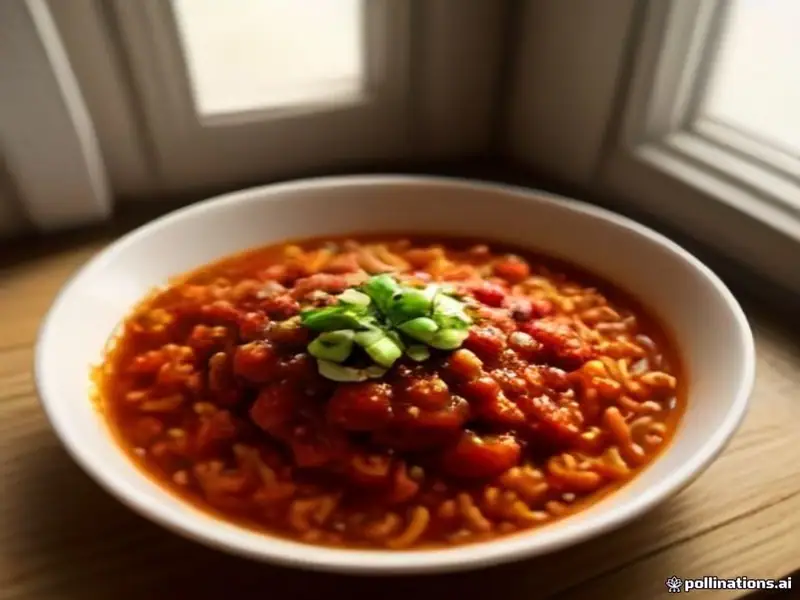
Youvetsi
Beef baked with orzo in a cinnamon-scented tomato sauce until the pasta has drunk the lot. One dish, ninety minutes.
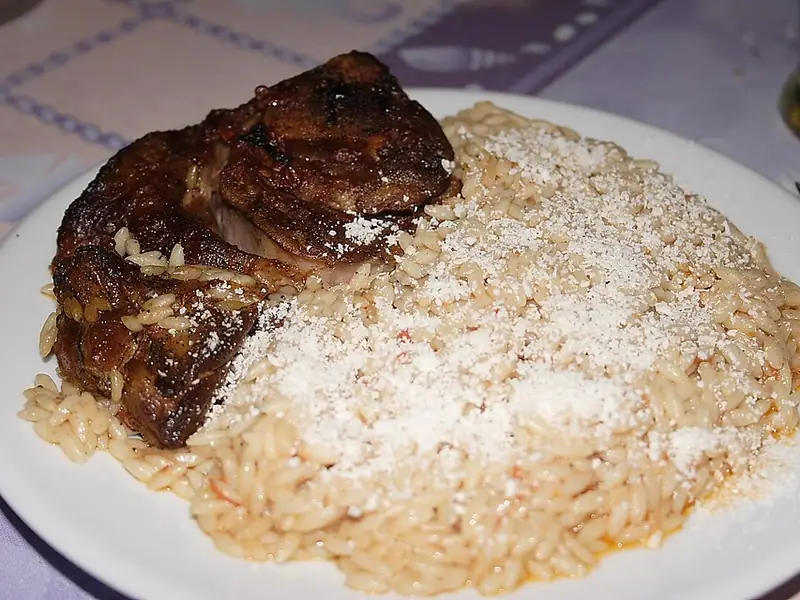
Giouvetsi
Lamb or beef baked in a clay dish with tomato, cinnamon and orzo pasta, which cooks in the sauce, ready in 1 hour 50…
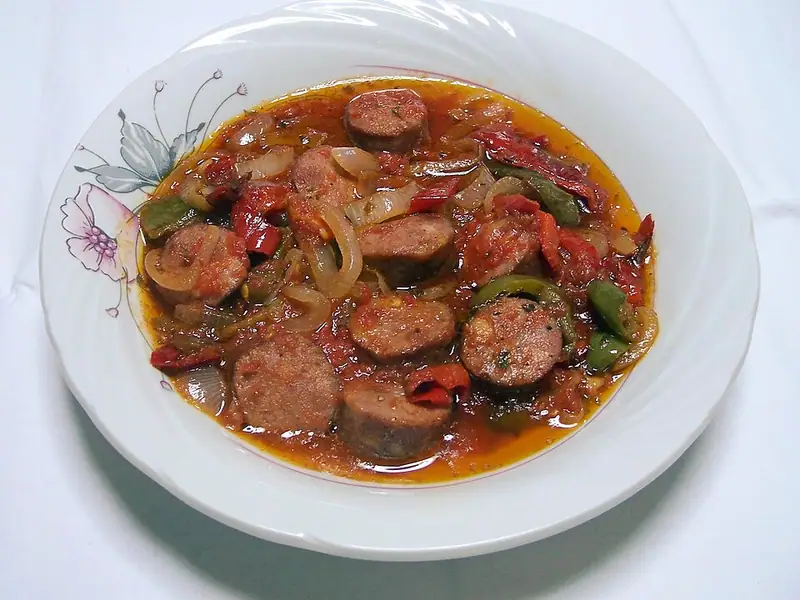
Spetsofai
A stew from Mount Pelion of sausages, peppers, tomato and onion simmered for 40 minutes, served with bread.
Spinach Pie
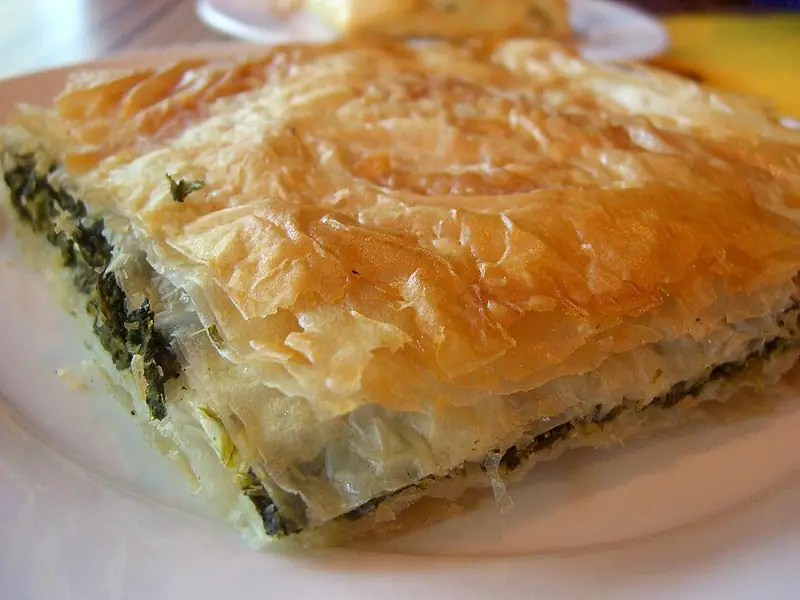
Spinach, feta, eggs and herbs wrapped in layers of buttered filo and cooked for 45 minutes until crisp and golden…

Gigantes Plaki
Large white beans baked slowly in a sauce of tomatoes, onion, garlic, olive oil and herbs, a Greek meze or main.

Lamb Kleftiko
Lamb shoulder sealed in parchment with lemon, oregano and potatoes and cooked three and a half hours. The parcel is…