Mug Omelette
Two eggs, cheddar, ham and chives whisked in a mug and microwaved for 2 minutes into a puffed, set omelette.
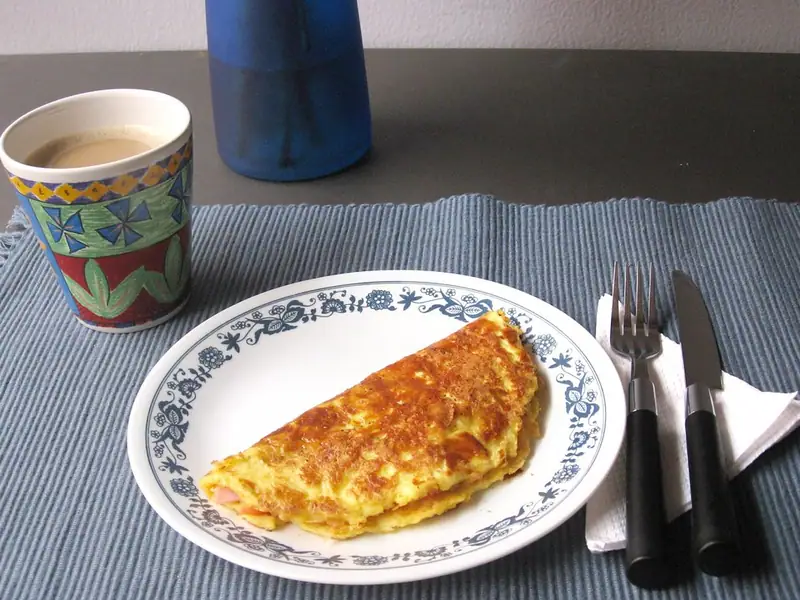
Photograph credit: Omelette by Jorge Gómez · CC BY 2.0 · Flickr
Where This Goes Wrong
Whisk the eggs thoroughly.
Grease the mug well.
Stir halfway for even cooking.
How to Make Mug Omelette
Tap a step to highlight it, or turn on Cook Mode for large type and step-by-step focus.
-
Grease a 350 ml mug with the butter.
-
Whisk the eggs, milk, salt and pepper in the mug until uniform.
-
Stir in the ham, cheddar and half of the chives.
-
Microwave on high for 45 seconds, stir, then microwave for a further 45 seconds until set.
-
Stand for 30 seconds, scatter with the remaining chives and eat from the mug.
Something wrong or unclear in this recipe? Report a problem with this recipe.
Why the Method Works
A hot breakfast in two minutes, made in the dish you will drink your coffee from. A mug omelette is a more forgiving version of the real thing, with no flipping and no pan to wash, and it puffs up in the microwave into a soft, cloud-like block that fills the mug to the brim.
Whisk the eggs hard with a splash of milk until completely uniform, with no streaks of white. The milk adds steam, which helps the omelette puff up. A pinch of salt and pepper is enough, since the ham and cheddar bring their own seasoning. Dice the ham small, and use grated cheese rather than slices, which clumps.
Grease the mug well. Eggs stick fiercely to ceramic, and a film of butter on the inside makes the omelette slide out in one piece. If you want to eat it from the mug, a quick spray of oil is enough.
Microwave for 45 seconds, stir, and cook for another 45 seconds, then check. The top should look dry and the centre should have lost its wobble. Stand for 30 seconds to finish setting. The omelette will sink slightly as it cools, which is normal. Top with chives and a dash of hot sauce.
Storage and Reheating
Best eaten straight away.
Serving Mug Omelette
- Buttered toast
- Hot sauce
- Fresh fruit
- Coffee
Nutrition per Serving
Per serving, calculated from the ingredient list with USDA FoodData Central figures (SR Legacy). A calculation, not a laboratory analysis: brands, cuts and how you measure change the real numbers. How the figures are worked out.
Your notes on this recipe
Cooked this? Keep a note for next time
Compiled by Turab
Checked by script for timings, diet labels and nutrition arithmetic. How the recipes are checked. Found a mistake? Tell us.
First published ; last changed .
You Might Also Like
More American cooking and breakfast ideas from Weekly Delight.

Cheese Omelette
Three eggs beaten and cooked in butter, folded over a handful of melted cheddar. One serving in 8 minutes.
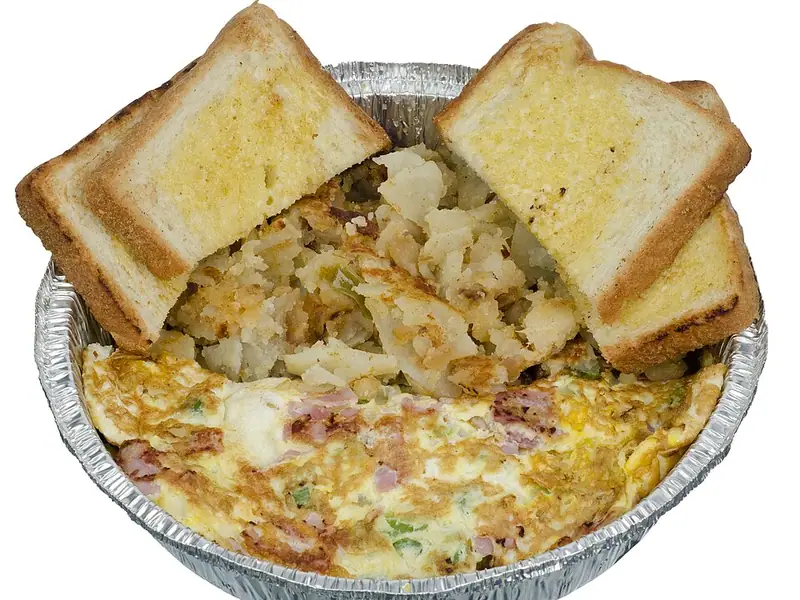
Western Omelette
A folded omelette of eggs, diced ham, green pepper, onion and cheddar, cooked for 10 minutes in butter in a hot…
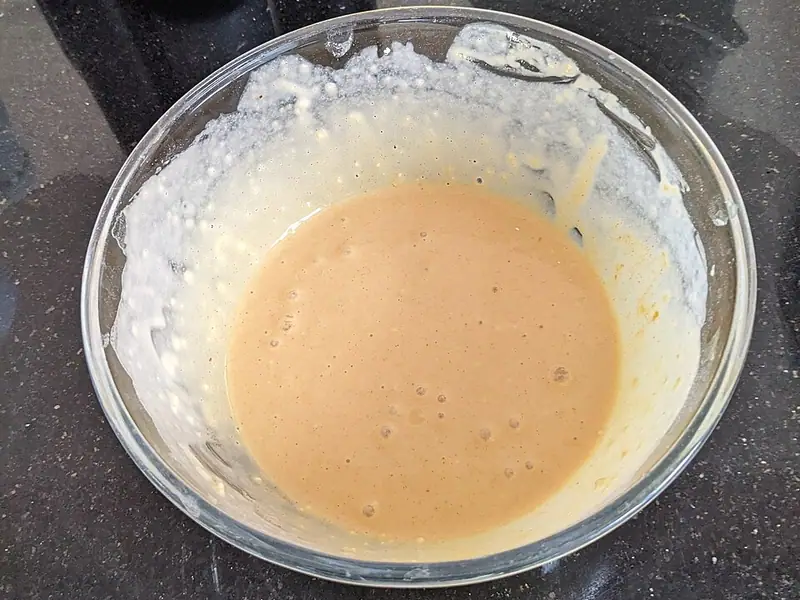
Three-Egg Omelette
Three eggs, butter, and about ninety seconds. The French rolled style has no colour at all and a barely-set centre…

Denver Omelet
A folded diner-style omelet filled with diced ham, green pepper, onion and cheddar, cooked in butter in about 20…

Breakfast Sandwich
A toasted English muffin around a soft-set egg, melted cheese and crisp bacon. Fifteen minutes, one pan.

Breakfast Sandwiches
Soft rolls filled with a fried egg, crisp bacon and melted cheese, built in minutes and eaten hot.