Oyakodon
Chicken and egg over rice — the name means "parent and child" — simmered together in a sweet-savoury dashi until the egg is barely set and slides over the bowl in soft curds. A fifteen-minute dinner with the comfort of a two-hour one.
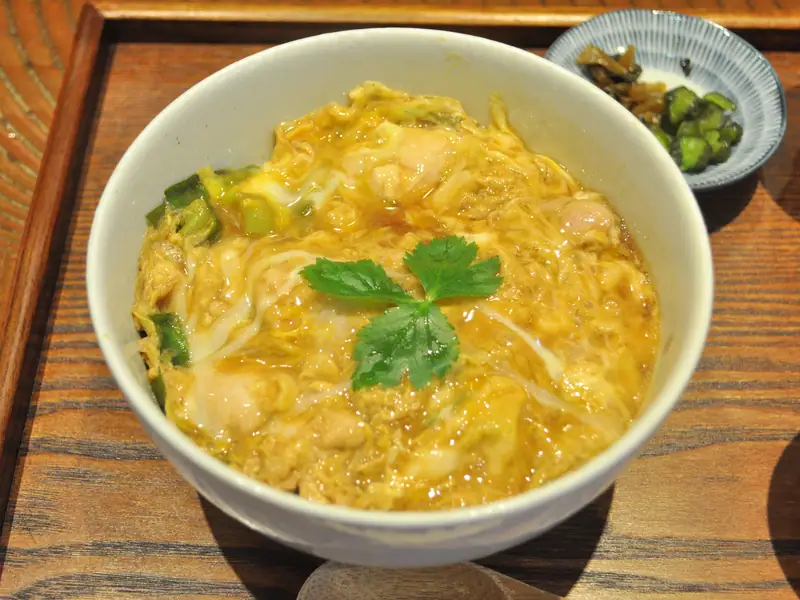
Photograph credit: Oyakodon 005 by Ocdp · CC0 1.0 · Wikimedia
Don't Make These Mistakes
Make one portion at a time in a small pan. Doubling it in a big pan gives you scrambled chicken, not oyakodon.
Instant dashi powder is entirely acceptable here and is what most Japanese home cooks use on a weeknight.
A donburi pan with a lid is traditional, but any small lidded frying pan does the same job.

Photograph credit: Oyakodon 004 by Ocdp · CC0 1.0 · Wikimedia
Making Oyakodon
Tap a step to highlight it, or turn on Cook Mode for large type and step-by-step focus.
-
Beat the eggs with chopsticks just enough to streak the white through the yolk. Over-beating gives a uniform, omelette-like texture instead of soft ribbons.
-
Combine the dashi, soy, mirin, sake and sugar in a small frying pan, about 20 cm, and bring to a simmer.
-
Add the onion and simmer 3 minutes until translucent.
-
Lay the chicken in a single layer and simmer 5 minutes, turning once, until just cooked through.
-
Pour two-thirds of the egg over the surface in a spiral. Cover and cook 45 seconds without stirring.
-
Pour over the remaining egg, cover, and cook 30 seconds more. The top should still look wet.
-
Slide the whole thing over a bowl of hot rice, scatter with spring onion and shichimi, and eat immediately.
Related guide: Choosing rice.
Something wrong or unclear in this recipe? Report a problem with this recipe.
What's Going On Here
The egg is added in two stages and taken off the heat while still visibly loose, because residual heat from the pan and the rice finishes it — a fully set oyakodon is a rubbery one. Cooking it in a small pan means the liquid stays deep enough to poach the egg rather than fry it.
Leftovers, Reheating and Keeping
Eat straight away — the egg firms and the rice goes soggy on standing. The sauce base keeps 5 days refrigerated.
Swaps and Variations
- Out of spring onions? A small regular onion, finely sliced, or a few chives stirred in at the end both cover the job.
Good With
- Miso soup and pickles
- Green tea
- A simple cucumber sunomono salad
Sides from the same cuisine on this site: Nasu Dengaku.
What's in a Serving
No nutrition figures are given for this recipe: they cannot be worked out reliably from its ingredient list (some ingredient lines cannot be read). Why some recipes have none.
Your notes on this recipe
Cooked this? Keep a note for next time
Compiled by Turab
Checked by script for timings, diet labels and nutrition arithmetic. How the recipes are checked. Found a mistake? Tell us.
First published ; last changed .
You Might Also Like
More Japanese cooking and quick meals ideas from Weekly Delight.

One Pot Ramen
Ramen noodles, soy broth, a soft egg and spring onions cooked in a single pan in 15 minutes, with a splash of sesame…

Teriyaki Tofu
Firm tofu pan-fried until golden and glazed with a sticky teriyaki sauce of soy sauce, mirin and honey.

Udon Noodles
Thick udon noodles tossed with a sesame, soy and rice vinegar sauce, spring onions and a fried egg in 15 minutes.
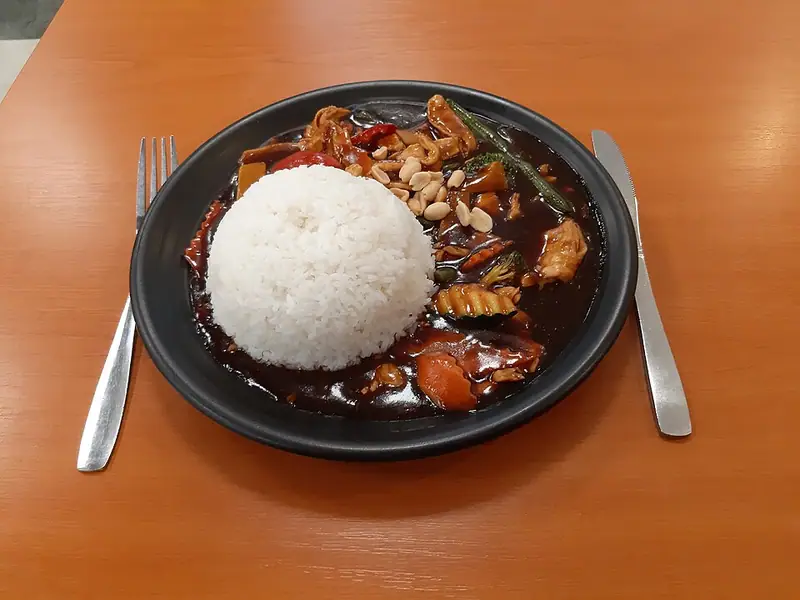
Chicken Teriyaki
Real teriyaki is a technique, not a bottled sauce: chicken pan-fried until the skin crackles, then glazed in a…
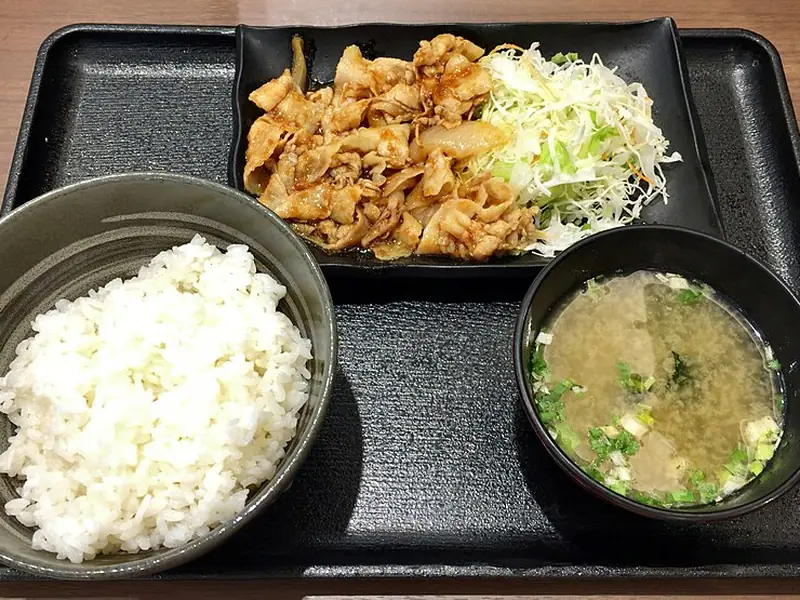
Pork Shogayaki
Thin pork loin fried fast and finished in a ginger, soy and mirin sauce that reduces to a glaze in under a minute…
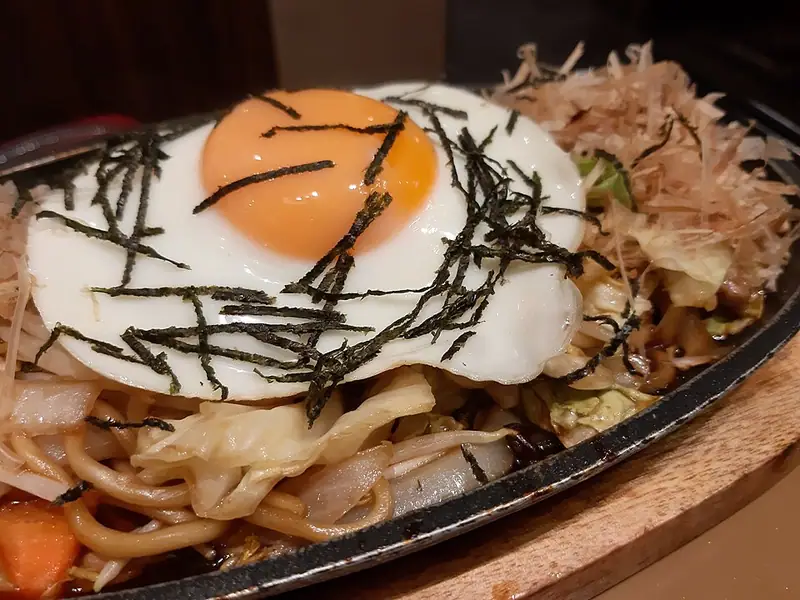
Yakisoba
Wheat noodles fried on a griddle with cabbage, pork and a thick fruity brown sauce, finished with aonori, bonito…