Shrimp Étouffée
Large shrimp smothered in a thick sauce built on a peanut-butter roux, the Cajun trinity of onion, celery and pepper, and a stock made from the shells. Served over rice.

Photograph credit: Acme Oyster House French Quarter New Orleans March 2010 05 by Alvin Wong · CC BY 2.0 · Wikimedia Commons
Storing and Planning Ahead
Keeps in the fridge for up to 2 days. Reheat the sauce gently and do not boil it, or the shrimp toughen. The sauce without the shrimp freezes for up to 3 months, and fresh shrimp can be cooked in it after thawing.
How to Make Shrimp Étouffée
Tap a step to highlight it, or turn on Cook Mode for large type and step-by-step focus.
-
Put the shrimp shells and the water in a saucepan, bring to the boil, and simmer for 15 minutes. Strain, discard the shells, and keep about 450 ml of the stock.
-
Melt the butter in a large, heavy pan over medium heat, whisk in the flour, and cook for 7 minutes, stirring constantly, until the roux is the colour of peanut butter.
-
Add the onion, celery and green pepper and cook for 8 minutes, until soft.
-
Stir in the garlic, tomato paste, Cajun seasoning, cayenne and thyme and cook for 1 minute.
-
Add the shrimp stock a little at a time, whisking, then add the bay leaves, Worcestershire sauce and salt. Simmer for 15 minutes, until the sauce is as thick as a thin gravy.
-
Meanwhile, cook the rice according to the packet and keep it warm.
-
Add the shrimp to the sauce and simmer for 5 minutes, until pink and just firm. Take the pan off the heat and remove the bay leaves.
-
Stir in the lemon juice and spring onions, and serve over the rice with the parsley.
Related guide: Choosing rice.
Something wrong or unclear in this recipe? Report a problem with this recipe.
Tips for Success
- Stir the roux the whole time. It burns in seconds if it is left alone, and a burnt roux has to be thrown away and started again.
- Make the stock from the shells. Ten minutes of simmering puts the flavour of the shrimp into the sauce and costs nothing.
- Add the shrimp last and pull the pan off the heat as soon as they turn pink. Cooked for longer, they turn rubbery and tight.
Behind the Recipe
Étouffée is a French word for smothered, and it describes exactly what happens: shellfish, most often crawfish or shrimp, are cooked in a thick sauce that clings to them and to the rice underneath. The dish belongs to Cajun country in south Louisiana, and it is usually said to have come out of the crawfish town of Breaux Bridge. It sits between a gumbo and a Creole: thicker than a gumbo and served over rice rather than in a bowl of broth, and, in the classic Cajun version, without the tomatoes of a Creole sauce, though many cooks add a spoonful of paste for colour. Everything starts with a roux made from butter and flour and cooked to the colour of peanut butter, a stage that takes patience and constant stirring, followed by the trinity of onion, celery and green pepper. A quick stock made by simmering the shrimp shells is the step that lifts the dish, because it puts the flavour of the shrimp itself into the sauce. The shrimp go in at the very end, so they stay tender and sweet.
Serving Ideas
Steamed white rice · Crusty French bread · Collard greens
Sides from the same cuisine on this site: New York Bagels, Creamy Coleslaw, Boston Baked Beans.
If You're Missing Something
- Out of spring onions? A small regular onion, finely sliced, or a few chives stirred in at the end both cover the job.
- An eighth of a teaspoon of garlic powder per clove is the stand-in usually given when you are out of fresh garlic; it will not brown the same way, and it burns easily, so add it with the liquid.
- Fresh herbs work in place of the dried thyme at roughly three times the quantity — a teaspoon of dried is about a tablespoon of fresh, chopped.
Shrimp Étouffée Nutrition Facts
Per serving, calculated from the ingredient list with USDA FoodData Central figures (SR Legacy). A calculation, not a laboratory analysis: brands, cuts and how you measure change the real numbers. How the figures are worked out.
Your notes on this recipe
Cooked this? Keep a note for next time
Compiled by Turab
Checked by script for timings, diet labels and nutrition arithmetic. How the recipes are checked. Found a mistake? Tell us.
First published ; last changed .
You Might Also Like
More American cooking and dinner ideas from Weekly Delight.
Wild Rice Hotdish
Chicken, wild rice blend, celery and mushroom soup baked in one dish with a crisp topping. Six servings in 1 hour 15…
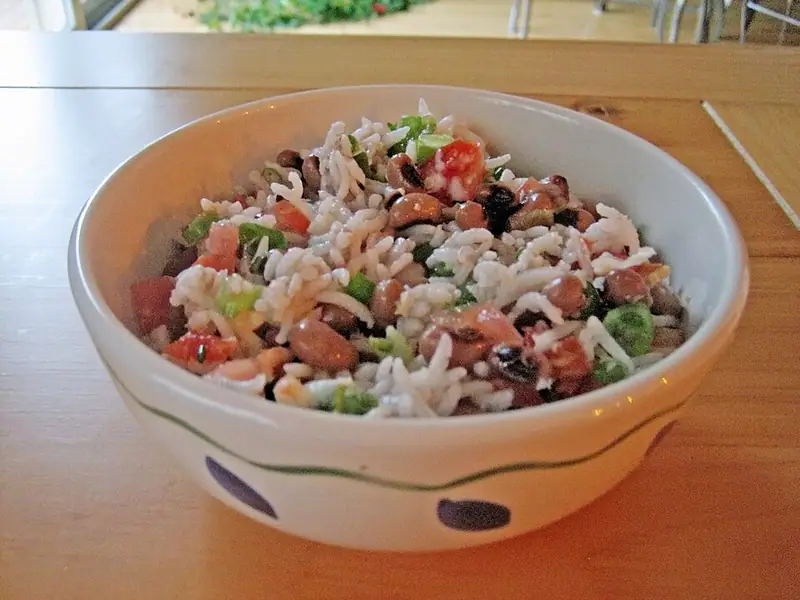
Hoppin' John
Black-eyed peas and rice cooked together with smoked bacon, onion, pepper and celery. The Southern dish eaten on New…
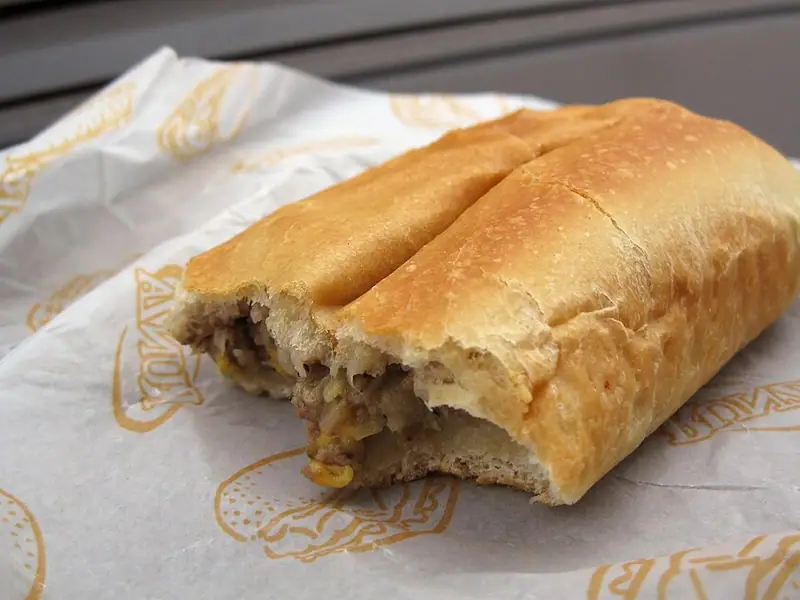
Runza
Soft yeast bread pockets filled with seasoned ground beef, cabbage and onion and baked until golden. The Nebraska…
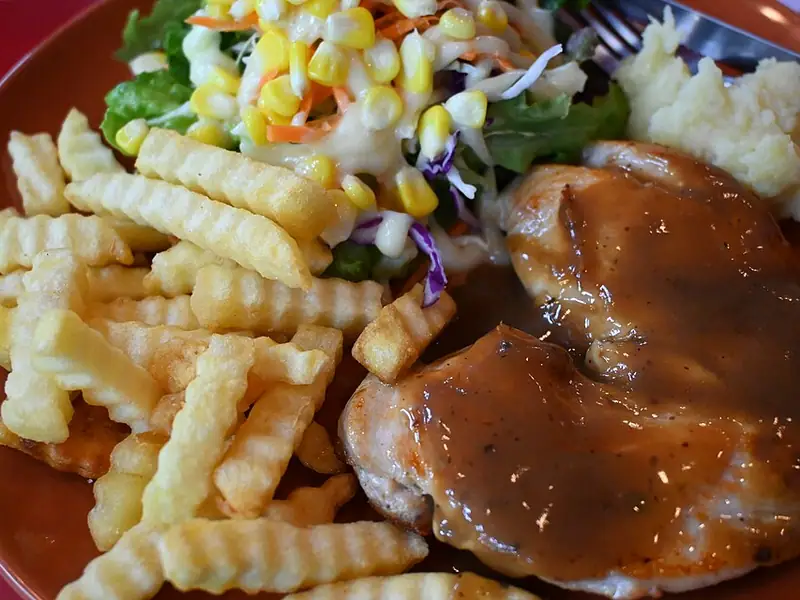
Smothered Chicken
Seasoned chicken thighs fried until golden, then simmered under a blanket of deeply browned onions and rich, peppery…
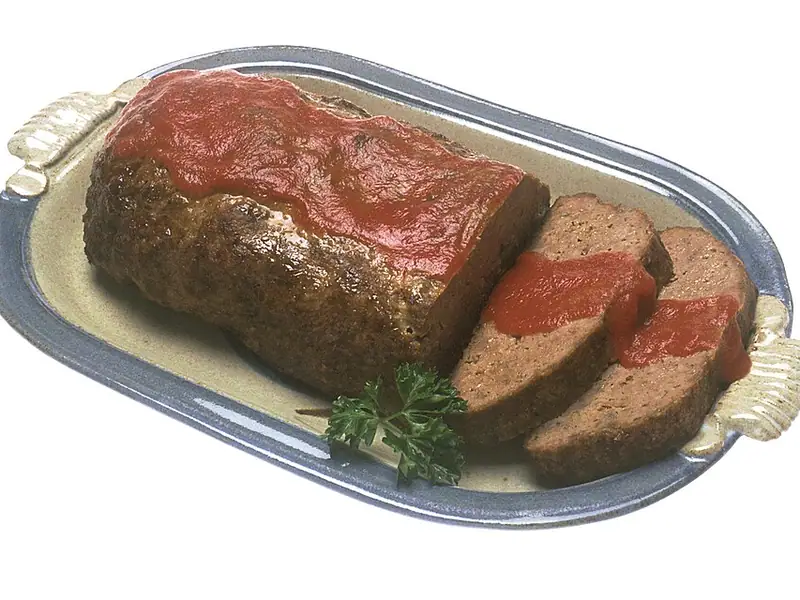
Turkey Meatloaf
A moist turkey meatloaf bound with oats and egg and glazed with tomato paste and mustard instead of ketchup. Six…

Shrimp and Grits
Lowcountry breakfast turned into dinner: prawns in a bacon and stock pan sauce over grits cooked slowly with cream…