Vatapa
A thick, creamy Brazilian purée of bread, coconut milk, peanuts, cashews, ginger and palm oil with prawns, from Bahia.

Photograph credit: Vatapá (image of Vatapá on Wikidata Q1544629) by Elingunnur · CC BY 3.0 · Wikimedia Commons
Bread is the unexpected thickener, and the dish is a Bahian classic. Vatapá is a creamy paste of stale bread soaked in coconut milk, ground with peanuts, cashews, ginger and dried shrimp, then cooked with palm oil until it forms a thick, golden, spoonable mass. Prawns are stirred through at the end.
The flavour is a combination of sweet coconut, nutty peanuts, a trace of heat and the deep savour of dried shrimp. The dendê, or red palm oil, gives the sauce its orange colour and an earthy richness that is the signature of Afro-Brazilian cooking. It can be bought in jars at Latin American and African shops. Add the palm oil toward the end of cooking. It loses its character if boiled for too long.
Soak 6 slices of stale bread in coconut milk for 10 minutes. Blend with the nuts, onion, garlic, ginger, a tomato and a chilli to a smooth paste. Cook in a wide pot over a low heat, stirring constantly, for 20 minutes until thick. Add the prawns and simmer for 5 minutes.
Taste for salt and lime. Serve over white rice, or as a filling for acarajé.
How to Make Vatapa
Tap a step to highlight it, or turn on Cook Mode for large type and step-by-step focus.
-
Soak the bread in the coconut milk for 10 minutes.
-
Blend the soaked bread, peanuts, cashews, onion, garlic, ginger, tomato, chilli, dried shrimp and water to a smooth paste.
-
Pour into a wide pot and cook over a low heat, stirring constantly, for 20 minutes until thick.
-
Stir in the palm oil, salt and prawns and cook for 5 minutes. Add the lime juice and coriander and serve.
A Few Pointers
- Stir constantly to avoid sticking.
- Add the palm oil near the end.
- Serve over white rice.
Changing the Recipe
- If coconut is a problem, a cooking cream (dairy or plant-based) can stand in for the coconut milk in a sauce; the dish will lose the coconut flavour and taste noticeably different.
- Dried chilli flakes can stand in for the red chilli. Heat varies a great deal between chillies and between jars, so start with a small pinch and add more to taste.
- Lemon is the everyday swap for lime in this kind of dish — the acidity plays the same role even though the flavour is not identical.
Serve It With
White rice · Farofa · Malagueta pepper sauce · Fried acarajé
Storage
Keeps in the fridge for 2 days. Reheat gently with a splash of water.
The Numbers per Serving
Per serving, calculated from the ingredient list with USDA FoodData Central figures (SR Legacy). A calculation, not a laboratory analysis: brands, cuts and how you measure change the real numbers. How the figures are worked out.
Your notes on this recipe
Cooked this? Keep a note for next time
Compiled by Turab
Checked by script for timings, diet labels and nutrition arithmetic. How the recipes are checked.
First published ; last changed .
You Might Also Like
More Brazilian cooking and dinner ideas from Weekly Delight.
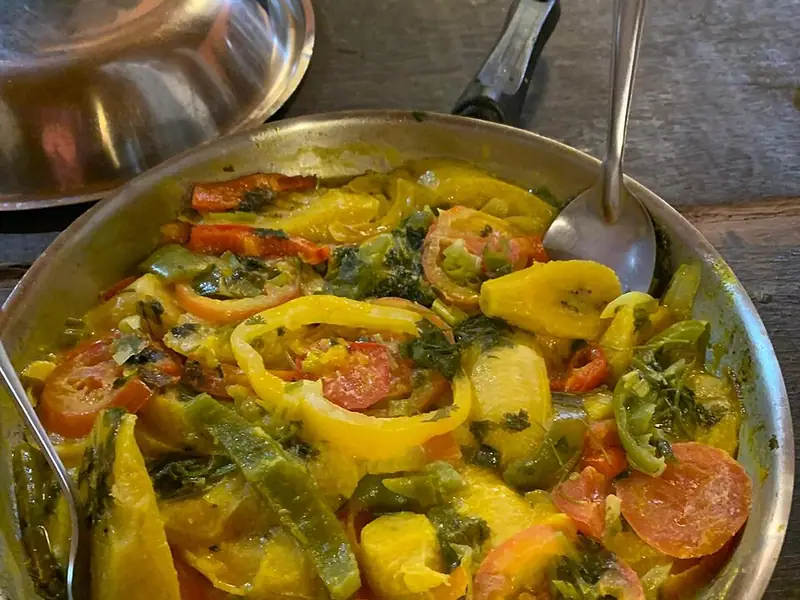
Moqueca Baiana
Bahian fish stew of coconut milk, tomato, peppers and coriander, cooked in a clay pot and finished with dendê palm…

Farofa
Toasted cassava flour fried in butter with bacon, onion and egg until it is golden and sandy. The Brazilian side…
Bánh Xèo
A rice flour crêpe made yellow with turmeric, filled with pork and prawn and folded over beansprouts. It is torn up…

Banku with Okra Stew
Soft, slightly sour Ghanaian dough of corn and cassava flour stirred over heat, served with a tomato and okra stew.

Encebollado
An Ecuadorian fish soup of albacore tuna and cassava in a clear, spiced broth, topped with pickled red onion and…
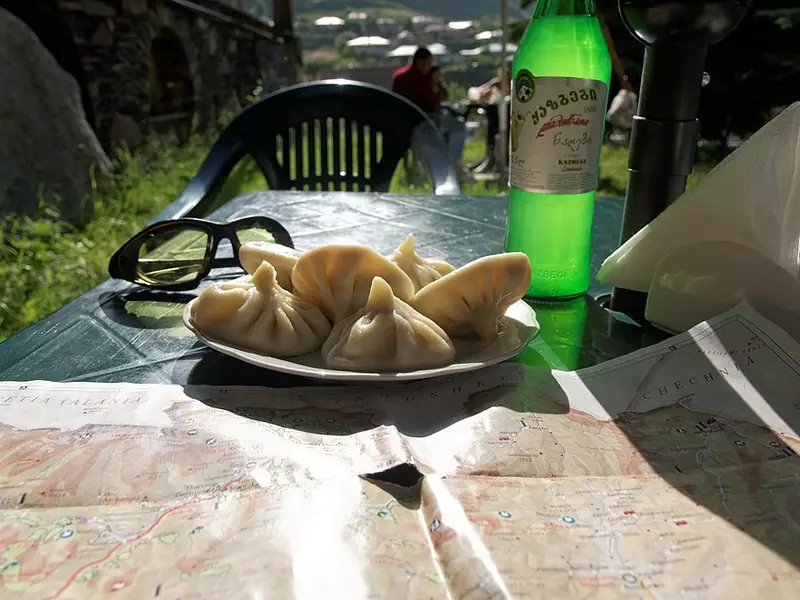

Khinkali
Large pleated Georgian dumplings with a soupy meat filling, held by the twisted knot and eaten in one go, with the…