Taiwanese Beef Noodle Soup
Taiwanese braised beef noodle soup: shin and tendon cooked for hours in a broth built on soy, doubanjiang and spices, over wheat noodles.
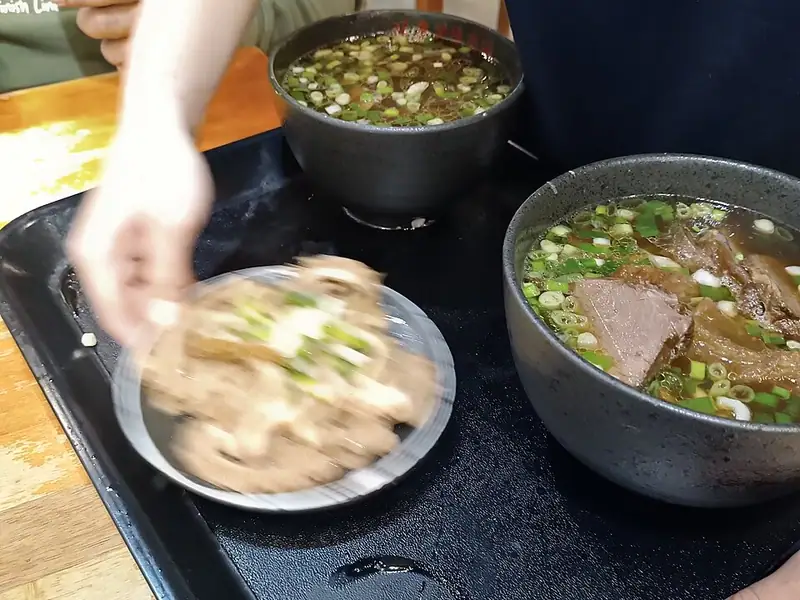
Photograph credit: TW 台湾 Taiwan 台北 Taipei shop 林东芳牛肉麵 Lin Dong Fang Beef Noodles March 2024 R12S 01 by Ounfs Robmmy 238 · CC0 · Wikimedia Commons
The broth is made in two parts: a clean beef stock and a separate braising liquid heavy with doubanjiang and aromatics, combined only at the end. Doing it that way keeps the soup from turning muddy and salty, which is what happens when the fermented bean paste cooks in the whole pot for three hours.

Photograph credit: TW 台湾 Taiwan 台北 Taipei shop 林东芳牛肉麵 Lin Dong Fang Beef Noodles March 2024 R12S 11 by Ounfs Robmmy 238 · CC0 · Wikimedia Commons
The Method for Taiwanese Beef Noodle Soup
Tap a step to highlight it, or turn on Cook Mode for large type and step-by-step focus.
-
Cover the beef and tendon with cold water, bring to a boil and blanch 5 minutes. Drain and rinse each piece. This is what makes the final broth clear.
-
Heat the oil in a heavy pot and fry the spring onions, ginger and garlic for 2 minutes.
-
Add the doubanjiang and tomato purée and fry 3 minutes over medium heat until the oil turns red and the paste smells cooked rather than raw.
-
Add the Shaoxing wine and let it bubble, then the soy sauces, rock sugar, star anise, cinnamon, Sichuan pepper, chillies, bay and tomato.
-
Return the beef and tendon, pour in the stock, and bring to a simmer.
-
Cover and cook very gently for 2 1/2 to 3 hours, until the shin gives way completely and the tendon is translucent and soft.
-
Lift out the meat. Strain the broth through a sieve and skim the fat, keeping a little for flavour. Taste and adjust with soy or sugar.
-
Cook the noodles in a separate pot of water — never in the broth — and drain.
-
Divide the noodles between bowls, add the beef and tendon, and ladle the hot broth over.
-
Top with pickled mustard greens, pak choi, spring onions and coriander.
Something wrong or unclear in this recipe? Report a problem with this recipe.
Tips That Matter
- Blanch and rinse the beef first. It is the difference between clear and cloudy.
- Fry the doubanjiang until the oil turns red. Raw bean paste tastes flat.
- Cook the noodles separately or the broth goes starchy.
Common Substitutions & Variations
- Out of spring onions? A small regular onion, finely sliced, or a few chives stirred in at the end both cover the job.
- If you only have ground ginger, a quarter-teaspoon for each tablespoon of fresh is the ratio usually given; it tastes warmer and less bright than the fresh root.
- An eighth of a teaspoon of garlic powder per clove is the stand-in usually given when you are out of fresh garlic; it will not brown the same way, and it burns easily, so add it with the liquid.
Pairs Well With
Pickled mustard greens · A cold Taiwan beer · Smashed cucumber salad
Leftovers and Storage
Refrigerate up to 4 days, freeze 3 months. Cook fresh noodles each time.
The Numbers per Serving
No nutrition figures are given for this recipe: they cannot be worked out reliably from its ingredient list (some ingredient lines cannot be read). Why some recipes have none.
Your notes on this recipe
Cooked this? Keep a note for next time
Compiled by Turab
Checked by script for timings, diet labels and nutrition arithmetic. How the recipes are checked. Found a mistake? Tell us.
First published ; last changed .
You Might Also Like
More Taiwanese cooking and dinner ideas from Weekly Delight.
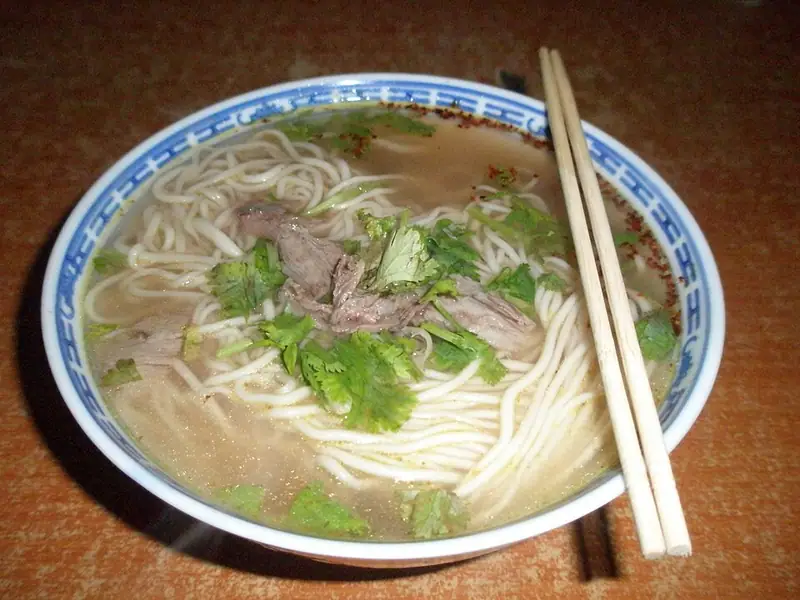
Lanzhou Beef Noodle Soup
A clear beef broth over hand-pulled noodles with white radish, coriander and a spoonful of chilli oil. Two and a…
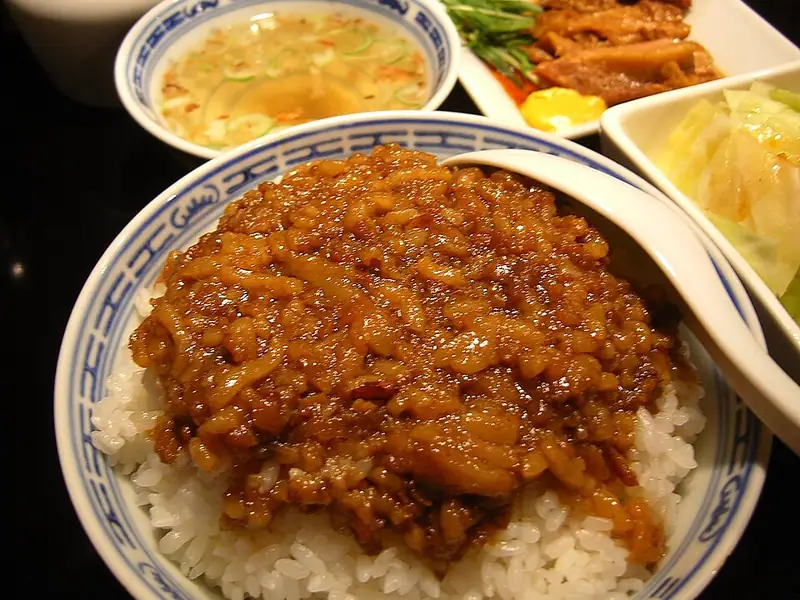
Lu Rou Fan
Finely diced pork belly braised in soy, five spice and fried shallots until it becomes a glossy, gelatinous sauce…
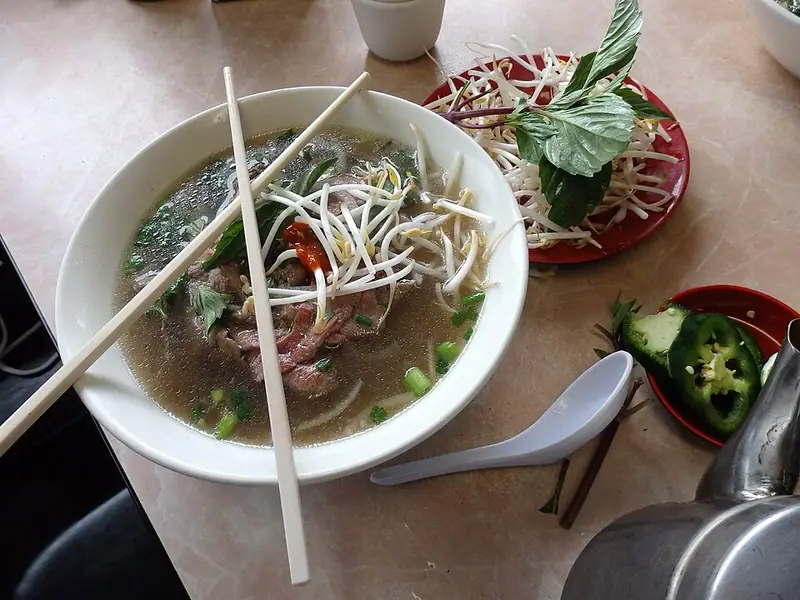
Phở Bò (Beef Noodle Soup)
A clear, aromatic broth simmered for four hours with charred ginger and onion and a bundle of toasted spices, poured…
Three Cup Chicken
Chicken cooked down in equal parts sesame oil, soy sauce and rice wine until the sauce is a glaze, with a great…
Prawn Noodle Soup
Egg noodles, prawns and pak choi in a ginger and garlic broth finished with soy sauce and sesame oil.


Beef Goulash Soup
Beef, onions, peppers and potatoes simmered for 90 minutes in a smoked paprika and tomato broth.