Thai Red Curry
Chicken and vegetables in a coconut curry built by cracking the cream, frying the paste in the separated oil, and balancing fish sauce against palm sugar. Twenty-five minutes once the technique is understood.
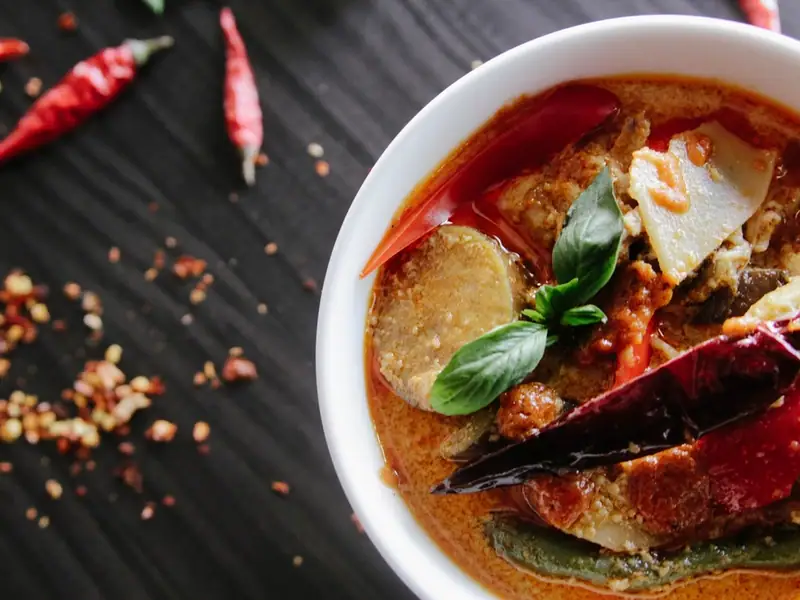
Photograph credit: Red curry by Unknown · CC0 1.0 · Rawpixel
Method
Tap a step to highlight it, or turn on Cook Mode for large type and step-by-step focus.
-
Open the coconut milk tins without shaking them. Spoon 150 ml of the thick cream from the top into a wok.
-
Heat over medium-high until it bubbles vigorously and splits, with clear oil visible at the edges, about 5 minutes.
-
Add the curry paste and fry in that oil for 3 to 4 minutes, pressing and stirring, until it darkens and smells intensely fragrant.
-
Add the chicken and turn it in the paste for 3 minutes until coated and sealed.
-
Pour in the remaining coconut milk and bring to a gentle simmer — never a rolling boil, which splits the sauce.
-
Add the kaffir lime leaves, fish sauce and palm sugar and simmer 8 minutes.
-
Add the bamboo shoots, pepper and green beans and cook 5 minutes more until just tender.
-
Taste and balance: more fish sauce for salt, more sugar for roundness, lime juice for lift.
-
Kill the heat, fold through the Thai basil and sliced chilli, and serve immediately with jasmine rice.
Chef’s Tips
- Do not shake the tin. Cracking the cream is the step that separates a real Thai curry from coconut milk with paste stirred in.
- Thai basil, not Italian. The aniseed note is central and sweet basil is not a substitute.
- Taste and adjust at the end, every time. Curry pastes vary enormously in salt and heat.
Common Substitutions & Variations
- For a non-vegan version, double cream can generally stand in for the coconut milk; going the other way, a plant-based cream sold for cooking is the closer match to dairy than tinned coconut milk on its own.
- A pinch of dried chilli flakes works in place of fresh chilli — start with about a third of the quantity the red chillies in the list implies, since dried chilli is more concentrated, and add more to taste.
- Lemon is the everyday swap for lime in this kind of dish — the acidity plays the same role even though the flavour is not identical.
Pairing Suggestions
- Jasmine rice
- A cold lager or an off-dry Riesling
- A cucumber relish to cool things down
Storage & Reheating
Refrigerate up to 3 days and freeze 2 months. Reheat gently without boiling and add fresh basil.
Common questions
How long does Thai Red Curry take to make?
About 40 minutes in total — 15 minutes of preparation and 25 minutes of cooking. The recipe serves 4.
What are the key tips for making Thai Red Curry?
Do not shake the tin. Cracking the cream is the step that separates a real Thai curry from coconut milk with paste stirred in. Thai basil, not Italian. The aniseed note is central and sweet basil is not a substitute. Taste and adjust at the end, every time. Curry pastes vary enormously in salt and heat.
What should I serve with Thai Red Curry?
Jasmine rice; A cold lager or an off-dry Riesling; A cucumber relish to cool things down.
Can Thai Red Curry be made ahead or frozen?
Refrigerate up to 3 days and freeze 2 months. Reheat gently without boiling and add fresh basil.
Is Thai Red Curry suitable for a special diet?
This recipe is gluten-free, dairy-free and high-protein. Those labels are checked against the ingredient list, so a dish is only marked when nothing in it contradicts the claim.
How many calories are in Thai Red Curry?
About 648 kcal per serving, with 38 g protein, 22 g carbohydrate and 48 g fat. The figures are calculated from the ingredient list and are an estimate.
Nutritional Highlights
Per serving, calculated from the ingredient list. Treat these as an estimate — brands and cuts vary.
Reader Reviews
Cooked this? Leave a review
Written and tested by Turab
One person, one kitchen — no test kitchen, no team. How every recipe on this site is checked before it goes up.
Related Recipes
More Thai cooking and dinner ideas from Weekly Delight.
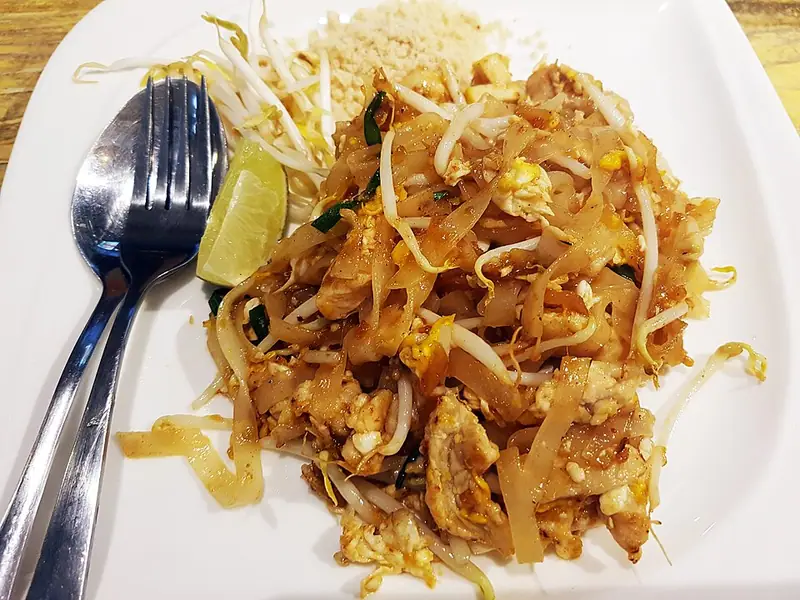
Pad Thai
The real thing is sour, salty and only lightly sweet — a world away from the ketchup-orange version. Tamarind, palm…
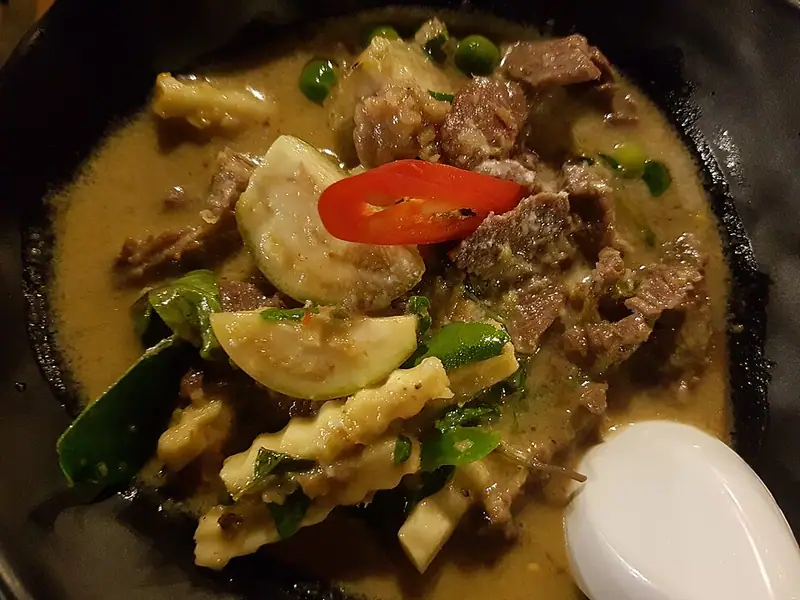
Thai Green Curry
Cracking the coconut cream until the oil separates, then frying the paste in it, is the step that turns a flat curry…
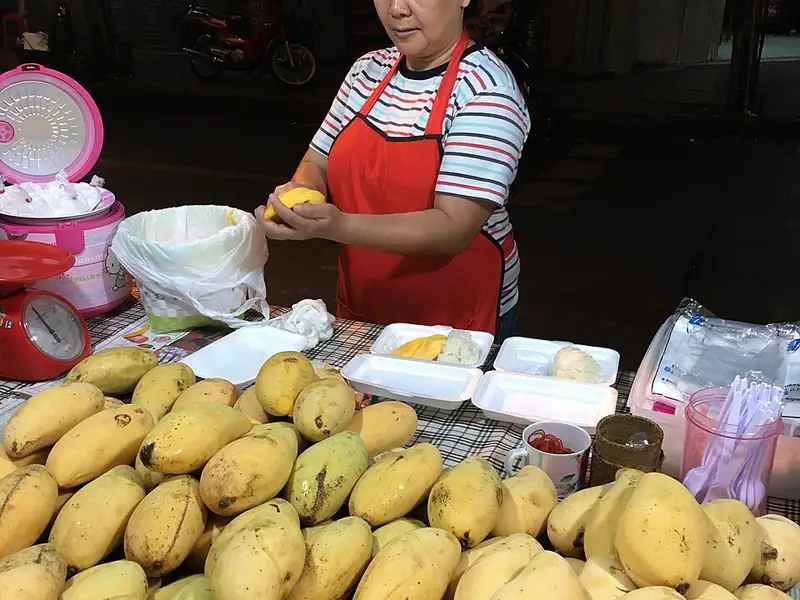
Mango Sticky Rice
Warm coconut-soaked glutinous rice with cold ripe mango and a salty coconut sauce poured over. Naturally vegan, and…
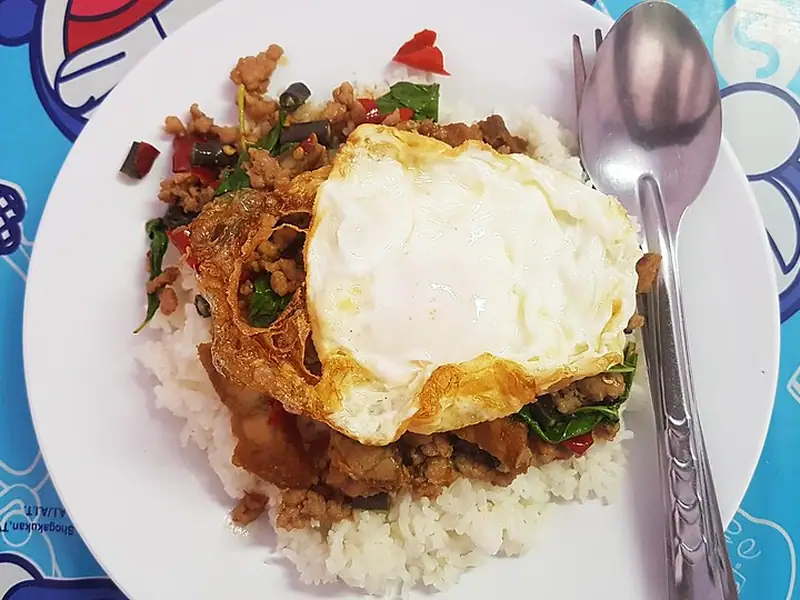
Pad Kra Pao (Thai Basil Chicken)
Thailand's most-eaten dish: minced pork fried hard with garlic and chillies, tossed with holy basil, and served over…