Blackened Salmon
Salmon fillets pressed with a smoky Cajun spice mix and seared in a very hot cast-iron pan until they wear a dark crust. Ready in 18 minutes with lemon and a green salad.

Photograph credit: Blackened Salmon by razvan.orendovici · CC BY 2.0 · Flickr
Make Ahead and Storage
Best eaten straight from the pan. Leftover fillets keep in the fridge for up to 2 days, and are good flaked into a salad or a wrap. Store the spice mix in a sealed jar for up to 3 months.
Making Blackened Salmon
Tap a step to highlight it, or turn on Cook Mode for large type and step-by-step focus.
-
Stir the paprika, garlic powder, onion powder, oregano, thyme, salt, cayenne and black pepper together in a shallow dish.
-
Pat the salmon very dry, brush all over with half of the melted butter, then press each fillet into the spice mix so that the flesh sides and the edges are thickly coated.
-
Heat a heavy cast-iron pan over high heat for 2 minutes, until very hot, and switch on the extractor fan or open a window.
-
Add the oil and lay the fillets in, flesh side down. Cook for 3 minutes without moving them, until the underside has formed a dark crust.
-
Turn the fillets and cook for 2 to 3 minutes more, until the thickest part reads 60°C / 140°F and the flesh flakes.
-
Brush with the rest of the butter, sprinkle with the parsley and serve with the lemon wedges.
Something wrong or unclear in this recipe? Report a problem with this recipe.
Worth Knowing
- Get the pan properly hot before the fish goes in. A pan that is only warm steams the spices into a pasty coat instead of toasting them.
- Ventilate the kitchen. A real sear makes smoke, and the fan matters more than any other step here.
- Judge by the smell and the colour. A very dark brown crust is right, and if it smells sharp and acrid, the heat is too high and the paprika has burnt.
Why the Method Is What It Is
Blackening is a Louisiana technique that became famous in the early 1980s, when the New Orleans chef Paul Prudhomme served redfish coated in spices and seared in a white-hot iron skillet at K-Paul's. The fish was so popular that redfish stocks were threatened, and cooks turned to other fish, of which salmon is now the most common. The name is misleading, because the fish is not burnt. The dark crust is a coat of spices, paprika above all, that toasts and caramelises in the butter and the intense heat, and what is underneath stays soft and moist. Salmon suits the method well, since its oil stands up to a strong rub, and a fillet is done in minutes. The essentials are a heavy pan that is properly hot before the fish goes in, a spice blend with plenty of paprika and only a moderate amount of cayenne, and enough ventilation to cope with the smoke that a real sear produces. The mix here is the standard Cajun one, and any left over will keep in a jar for weeks.
What to Put Next to It
Dirty rice · Creamy coleslaw · Corn on the cob
Sides from the same cuisine on this site: Artisan Sourdough Bread, New York Bagels, Creamy Coleslaw.
Ingredient Swaps
- Fresh herbs work in place of the dried oregano at roughly three times the quantity — a teaspoon of dried is about a tablespoon of fresh, chopped.
Nutrition per Serving
Per serving, calculated from the ingredient list with USDA FoodData Central figures (SR Legacy). A calculation, not a laboratory analysis: brands, cuts and how you measure change the real numbers. How the figures are worked out.
Your notes on this recipe
Cooked this? Keep a note for next time
Compiled by Turab
Checked by script for timings, diet labels and nutrition arithmetic. How the recipes are checked. Found a mistake? Tell us.
First published ; last changed .
You Might Also Like
More American cooking and dinner ideas from Weekly Delight.
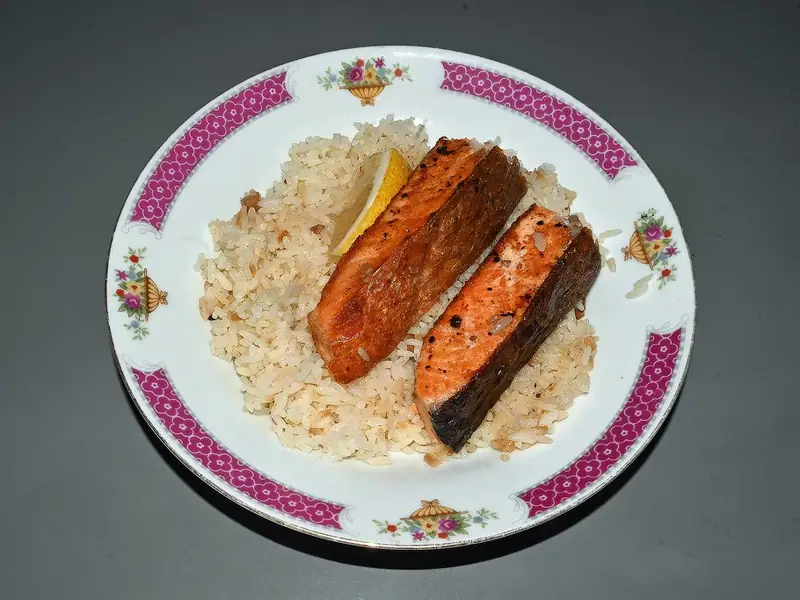
Grilled Salmon
Salmon fillets brushed with oil and grilled skin side down until the flesh flakes, served with lemon. Four servings…

Blackened Catfish
Catfish fillets coated in a paprika, cayenne and thyme spice mix and seared in a very hot pan until dark and crusty.

Blackened Chicken
Chicken breasts pounded thin, brushed with butter, packed with paprika, thyme and cayenne and seared in a very hot…
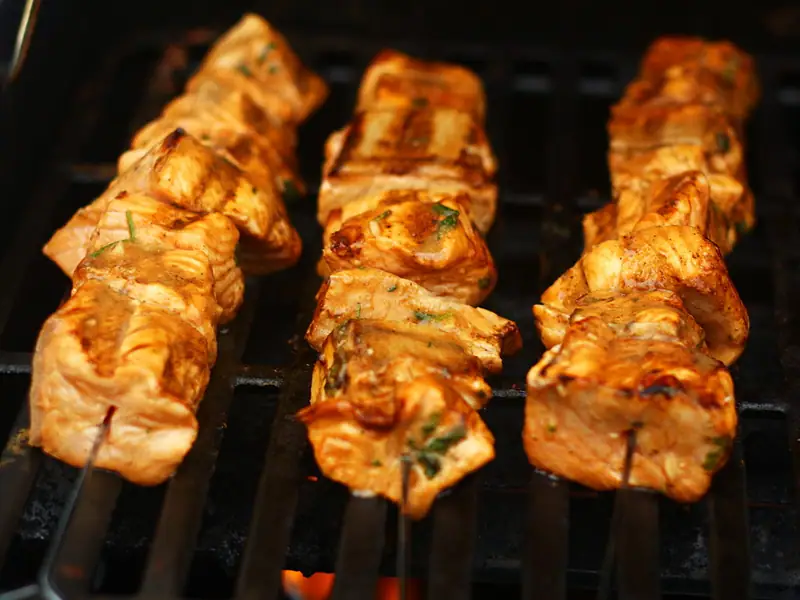
Salmon Skewers
Cubes of salmon marinated in lemon, dill and garlic and threaded with zucchini and red onion, then grilled for 8…
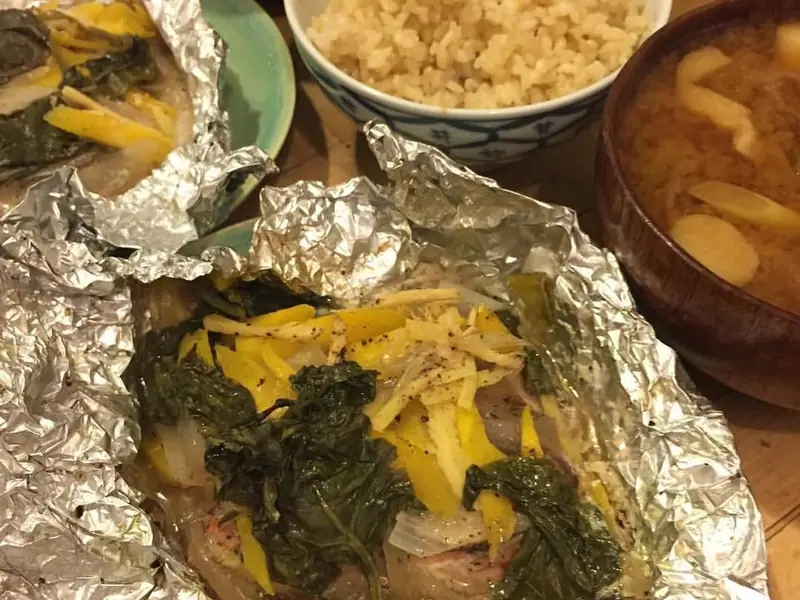
Salmon Foil Packets
Salmon fillets steamed with zucchini, tomatoes, garlic and lemon in individual foil packets. Four servings in 35…
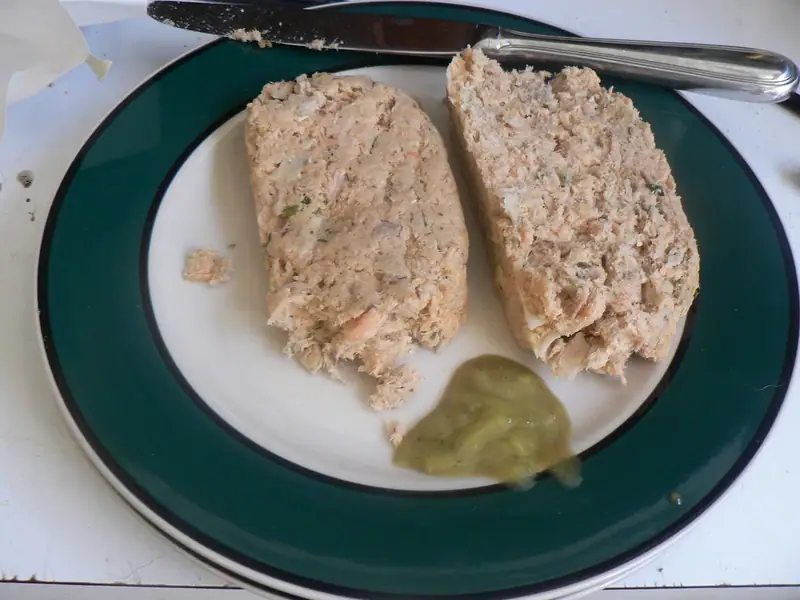
Salmon Loaf
Tinned salmon, breadcrumbs and egg baked in a loaf tin until set and golden. Four servings in 55 minutes.