Fasolada
White beans simmered with carrot, celery and tomato in a great deal of olive oil. Often called the national dish of Greece, and proof that the simplest cooking depends most on the quality of what goes in.
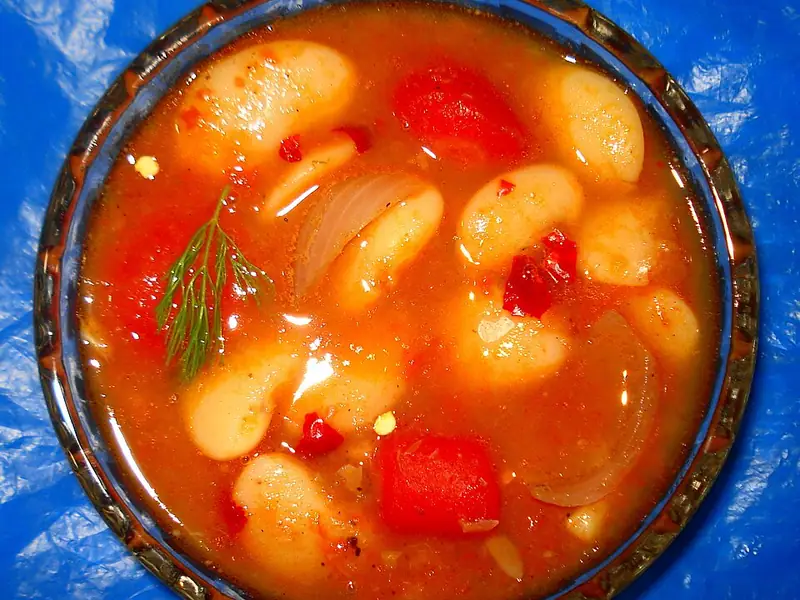
Photograph credit: Fasolada by Miansari66 · CC0 · Wikimedia Commons
A generous amount of good olive oil added both during and after cooking emulsifies with the bean starch to give the soup its silky body — this is not a dish to economise on fat. Adding the salt only once the beans are tender prevents the skins toughening, a real effect with dried pulses.
Quick Answers
How long does Fasolada take to make?
15 minutes of preparation and 1 hour 15 minutes of cooking, plus 8 hours of soaking, so allow 9 hours 30 minutes from start to finish. The recipe serves 6.

Photograph credit: Yummy bean and noodle soup at Sciue by roland · CC0 1.0 · Flickr
How to Make Fasolada
Tap a step to highlight it, or turn on Cook Mode for large type and step-by-step focus.
-
Drain the soaked beans, cover with fresh water, bring to the boil and simmer 5 minutes. Drain again.
-
Heat 100 ml of the olive oil in a large pot and cook the onions, carrots and celery over medium heat for 12 minutes until softened and sweet.
-
Add the garlic for 1 minute, then the tomato purée and paprika and cook 2 minutes.
-
Add the beans, tomatoes, bay, oregano and 1.5 litres of water. Bring to the boil.
-
Reduce to a simmer and cook, partly covered, for 60 to 80 minutes until the beans are completely tender.
-
Now add the salt and plenty of pepper, and simmer 10 minutes more.
-
Mash a ladleful of beans against the side of the pot and stir back in to thicken the broth.
-
Stir in the remaining 50 ml of olive oil and the parsley off the heat.
-
Serve warm rather than piping hot, with a further slick of olive oil over each bowl, lemon and olives.
Related guide: Prep, cook and total time.
Something wrong or unclear in this recipe? Report a problem with this recipe.
Tips That Matter
- Salt at the end. Salting dried beans early genuinely does keep the skins tough.
- Use olive oil you would happily dress a salad with. It is the dominant flavour.
- Greeks eat this warm rather than scalding, which lets the olive oil flavour come through.
Swaps and Variations
- An eighth of a teaspoon of garlic powder per clove is the stand-in usually given when you are out of fresh garlic; it will not brown the same way, and it burns easily, so add it with the liquid.
- Fresh herbs work in place of the dried oregano at roughly three times the quantity — a teaspoon of dried is about a tablespoon of fresh, chopped.
Pairs Well With
Feta, olives and crusty bread · Raw onion and lemon · A dry white such as Assyrtiko
Storage
Refrigerate up to 5 days — it improves — and freeze 3 months. Add a fresh slick of oil when reheating.
What's in a Serving
Per serving, an approximate calculation from the ingredient list. Treat it as a rough guide: an ingredient listed without an amount is not counted, so the figures run low; garnishes, greasing and other items with no amount are not counted. How the figures are worked out.
Your notes on this recipe
Cooked this? Keep a note for next time
Compiled by Turab
Checked by script for timings, diet labels and nutrition arithmetic. How the recipes are checked. Found a mistake? Tell us.
First published ; last changed .
You Might Also Like
More Greek cooking and healthy ideas from Weekly Delight.
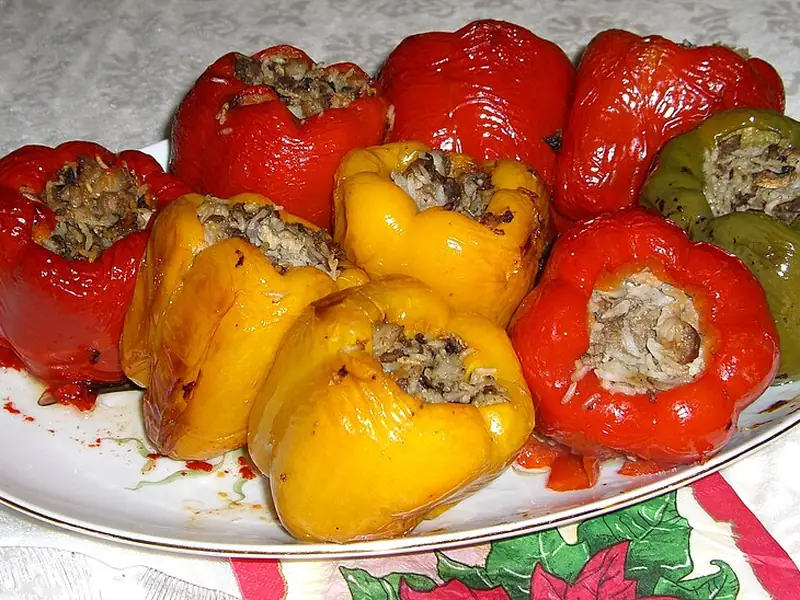
Greek Stuffed Peppers
Gemista, the Greek summer dish: peppers roasted before they are filled, so they are sweet and collapsing rather than…

Spanakorizo
A Greek one-pot dish of rice and spinach cooked with onion, spring onion, dill and lemon.
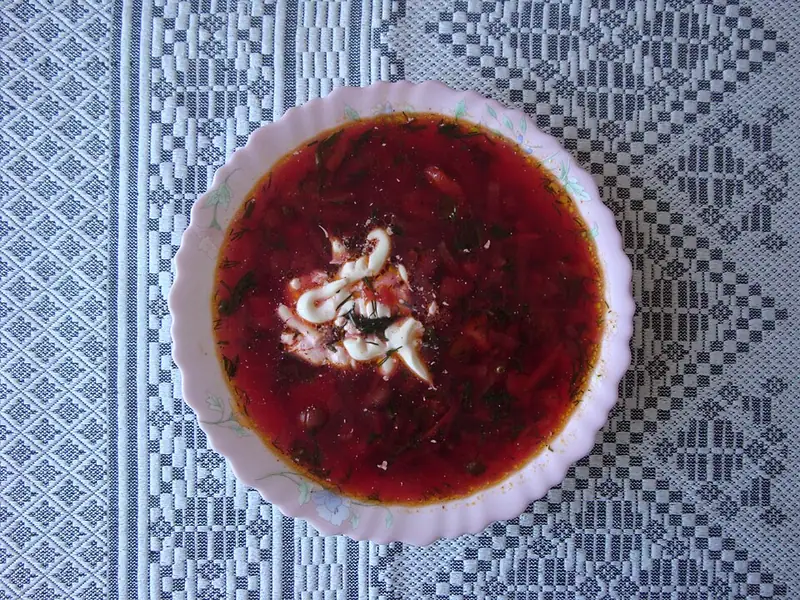
Ukrainian Borscht
A deep crimson beetroot soup with a sour edge from vinegar and a sweetness from slow-cooked roots, finished with a…

Greek Chicken Bowls
Lemon and oregano chicken thighs on quinoa with cucumber, tomatoes, olives, feta and homemade tzatziki. A fresh…
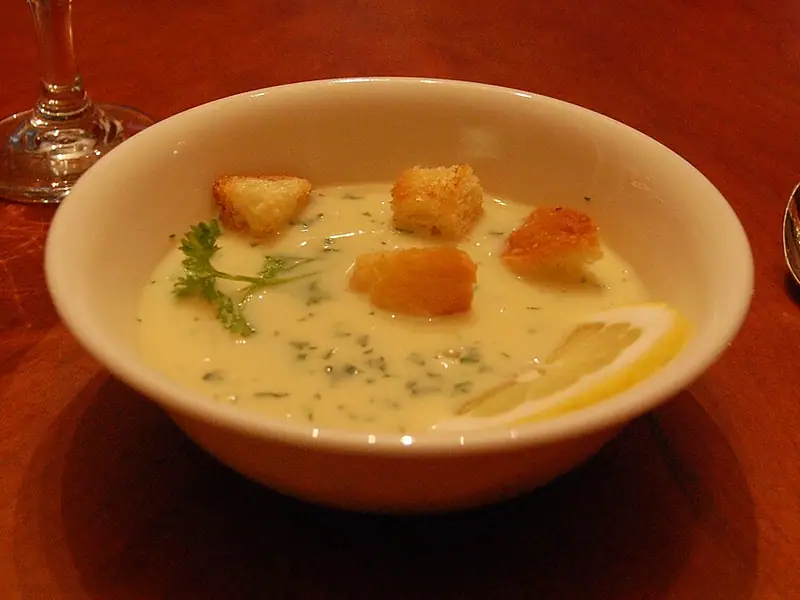
Avgolemono Soup
A silky Greek chicken and rice soup thickened with an egg and lemon emulsion rather than cream. Sharp, restorative…
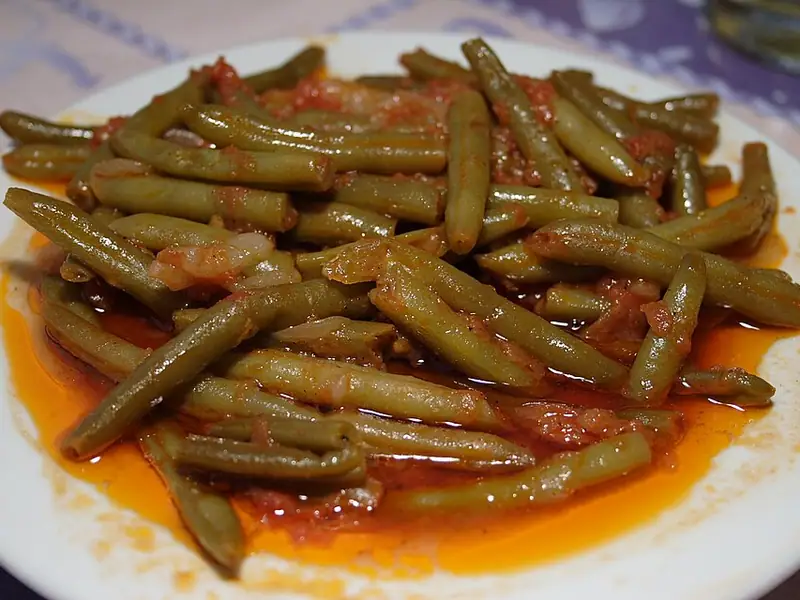

Fasolakia
Greek green beans braised slowly in olive oil with tomatoes, onion and potatoes until soft and sweet.