Kimchi Jjigae
The best possible use for kimchi that has gone too sour to eat raw: simmered with pork belly and tofu into a bubbling, deeply savoury stew. Twenty-five minutes.
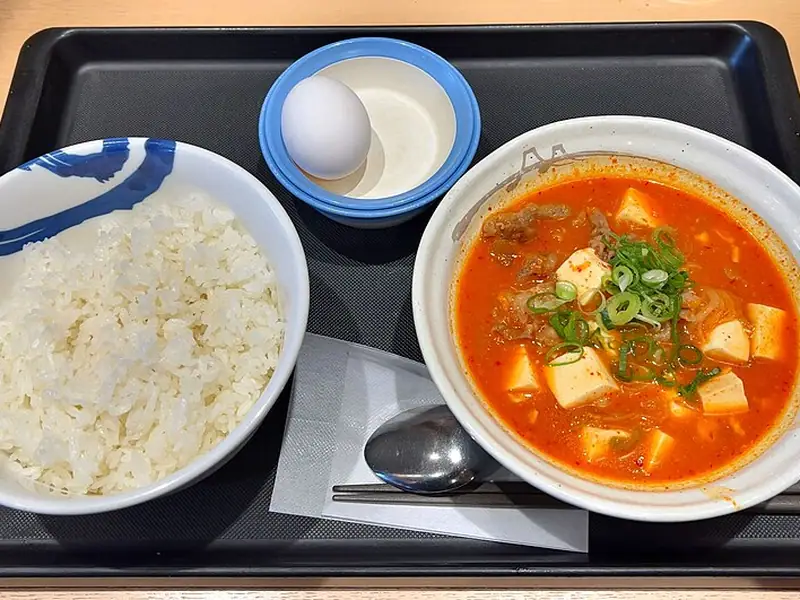
Photograph credit: Beef, tofu and kimchi stew of Matsuya by 毒島みるく · CC0 · Wikimedia Commons

Photograph credit: Kimchi jjigae - Kogi, Brighton 2023-11-15 by Andy Li · CC0 · Wikimedia Commons
Method
Tap a step to highlight it, or turn on Cook Mode for large type and step-by-step focus.
-
Heat the oil in a heavy pot and fry the pork belly over medium-high heat for 5 to 6 minutes until browned and its fat has rendered.
-
Add the onion and garlic and cook 3 minutes.
-
Add the chopped kimchi and fry for 5 to 6 minutes, stirring, until it darkens and smells sweet and toasty. This step is what makes the stew taste deep rather than sharp.
-
Stir in the gochugaru, gochujang, doenjang and sugar and cook 1 minute.
-
Pour in the stock and the reserved kimchi juice and bring to a boil.
-
Reduce to a steady simmer and cook, partly covered, for 15 minutes.
-
Lay the tofu slices on top and simmer 5 minutes more without stirring, so they stay intact.
-
Scatter with spring onions, drizzle with sesame oil, and serve bubbling with rice.
Chef’s Tips
- Old, sour kimchi is what you want. Fresh kimchi makes a noticeably duller stew.
- Do not skip frying the kimchi. Five minutes here is worth twenty of simmering.
- A raw egg cracked into the bubbling stew at the table is a common and excellent addition.
Common Substitutions & Variations
- Out of spring onions? A small regular onion, finely sliced, or a few chives stirred in at the end both cover the job.
- An eighth of a teaspoon of garlic powder per clove is the usual stand-in when you are out of fresh garlic — it will not caramelise the same way, but it carries the flavour.
Pairing Suggestions
- Soju, traditionally
- Serve with steamed rice and a few banchan
- Finish with fresh fruit
Storage & Reheating
Refrigerate 4 days; it improves overnight. Freezes 2 months, though the tofu texture suffers.
Common questions
How long does Kimchi Jjigae take to make?
About 35 minutes in total — 10 minutes of preparation and 25 minutes of cooking. The recipe serves 4.
What are the key tips for making Kimchi Jjigae?
Old, sour kimchi is what you want. Fresh kimchi makes a noticeably duller stew. Do not skip frying the kimchi. Five minutes here is worth twenty of simmering. A raw egg cracked into the bubbling stew at the table is a common and excellent addition.
What should I serve with Kimchi Jjigae?
Soju, traditionally; Serve with steamed rice and a few banchan; Finish with fresh fruit.
Can Kimchi Jjigae be made ahead or frozen?
Refrigerate 4 days; it improves overnight. Freezes 2 months, though the tofu texture suffers.
Is Kimchi Jjigae suitable for a special diet?
This recipe is dairy-free. Those labels are checked against the ingredient list, so a dish is only marked when nothing in it contradicts the claim.
How many calories are in Kimchi Jjigae?
About 548 kcal per serving, with 28 g protein, 22 g carbohydrate and 40 g fat. The figures are calculated from the ingredient list and are an estimate.
Nutritional Highlights
Per serving, calculated from the ingredient list. Treat these as an estimate — brands and cuts vary.
Reader Reviews
Cooked this? Leave a review
Written and tested by Turab
One person, one kitchen — no test kitchen, no team. How every recipe on this site is checked before it goes up.
Related Recipes
More Korean cooking and healthy ideas from Weekly Delight.

Korean Fried Chicken
Double-fried until the crust is glassy and stays crisp under the sauce, then glazed in sticky sweet-hot gochujang…
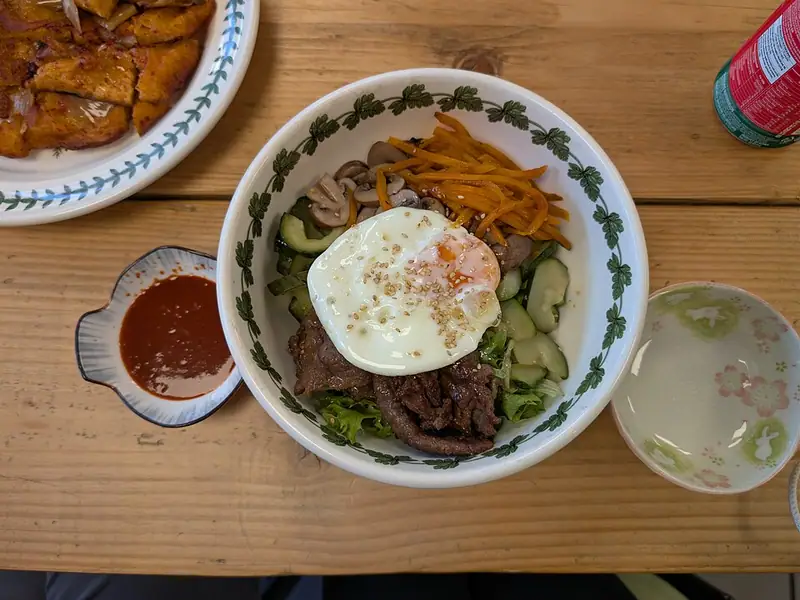
Bibimbap
A bowl of rice topped with individually seasoned vegetables, marinated beef, a fried egg and gochujang, mixed…
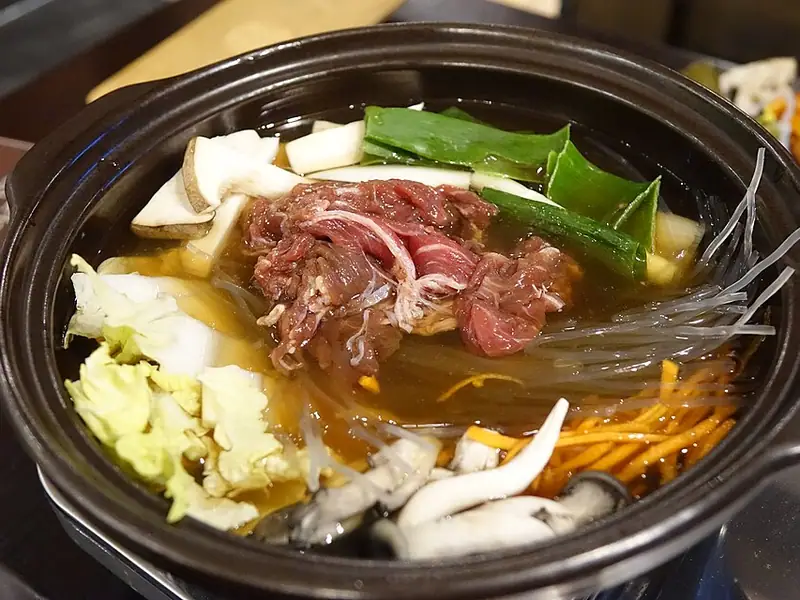
Beef Bulgogi
Thinly sliced beef marinated in soy, pear and sesame, then seared fast so it caramelises without stewing. Twenty…
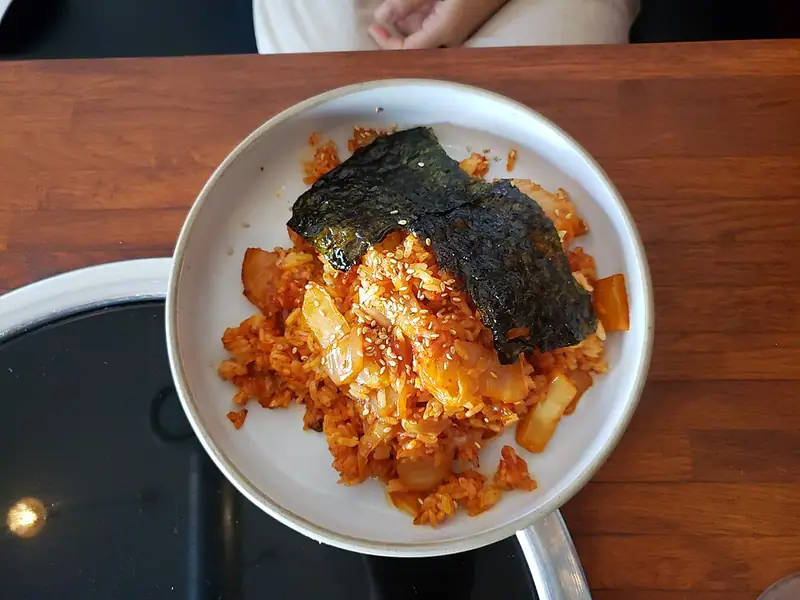


Napa Cabbage Kimchi
Napa cabbage salted, coated in a chilli and fermented seafood paste, and left to ferment until it fizzes. Two days…