Prime Rib Roast
A standing rib roast cooked low until the whole joint is one shade of pink, then blasted at the end for the crust. The reverse sear is the only method that gives you edge-to-edge medium-rare on a piece of meat this thick.
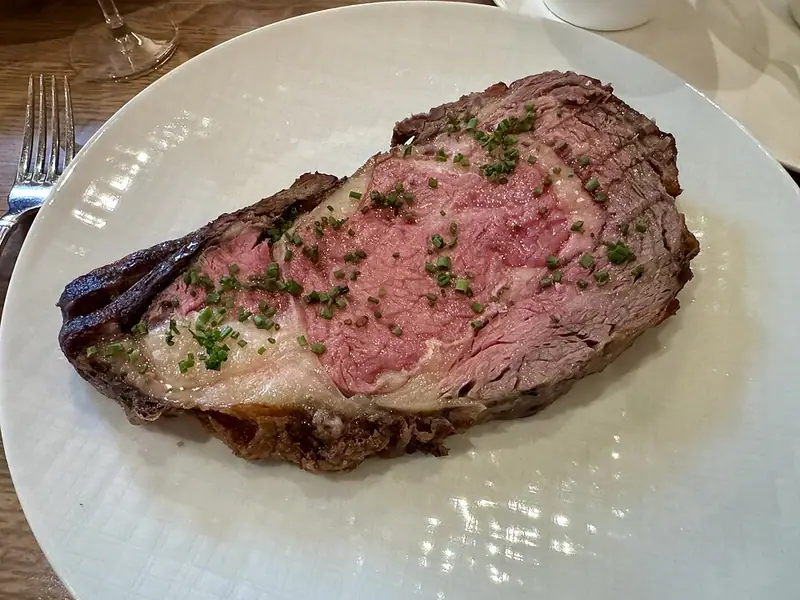
Photograph credit: Prime rib NBSD by RightCowLeftCoast · CC BY-SA 4.0 · Wikimedia Commons · this resized copy is shared under the same licence
Don't Make These Mistakes
A leave-in probe thermometer is worth more here than any technique. This is an expensive joint and there is no recovering from an overshoot.
Rest before the blast, not after. The crust goes on last so it reaches the table crisp.
Ask the butcher to remove the chine bone and tie the joint back on. It carves in seconds afterwards.
Making Prime Rib Roast
Tap a step to highlight it, or turn on Cook Mode for large type and step-by-step focus.
-
The day before, pat the joint dry and rub the salt over every surface. Set it on a rack over a tray and refrigerate uncovered for 24 hours.
-
Take it out 2 hours before cooking so it loses some of its fridge chill; raw meat should not sit out for longer than that.
-
Heat the oven to 110°C / 230°F. Mix the pepper, garlic, rosemary, thyme and oil and rub it all over the joint.
-
Set it bone side down on a rack in a roasting tin and cook for about 3 hours 30 minutes, until the centre reads 52°C / 126°F for medium-rare. Start checking at 3 hours — weight matters less than shape, and a thermometer is the only honest guide.
-
Lift the joint onto a board and tent it loosely. Rest 45 minutes; it will not go cold, and the temperature will settle.
-
Raise the oven to 250°C / 480°F. Return the joint, uncovered, for 10 to 15 minutes, until the fat cap is crackling and deeply browned.
-
While it blasts, set the roasting tin over a medium heat, pour in the wine and boil hard for 3 minutes, scraping the base.
-
Add the stock and mustard and reduce by half, then whisk in the cold butter off the heat.
-
Carve the meat off the bones in one piece, then slice thickly across the grain and serve with the jus.
Related guide: Prep, cook and total time.
Something wrong or unclear in this recipe? Report a problem with this recipe.
What's Going On Here
A conventional hot roast cooks in a gradient: by the time the middle reaches medium-rare, the outer inch is grey and overcooked. Starting at 110°C / 230°F keeps that gradient shallow, because the temperature difference driving heat into the meat is small, so the whole joint arrives at 52°C / 125°F almost together. The crust is then a separate, brief job at the end, where fifteen minutes at 250°C / 480°F browns the surface without time to penetrate. Salting a day ahead is a dry brine: the salt draws moisture out, dissolves in it, and is drawn back in seasoned.
Storage and Reheating
Refrigerated for 4 days. Do not reheat slices — serve them cold and rare in sandwiches, which is the better dish anyway.
Swaps and Variations
- An eighth of a teaspoon of garlic powder per clove is the stand-in usually given when you are out of fresh garlic; it will not brown the same way, and it burns easily, so add it with the liquid.
What to Serve Alongside
- Yorkshire puddings and horseradish cream
- Crispy roast potatoes
- A serious Bordeaux
Sides from the same cuisine on this site: Creamy Coleslaw, Boston Baked Beans, Air Fryer Asparagus.
Common Questions About Prime Rib Roast
How long does Prime Rib Roast take to make?
25 minutes of preparation and 3 hours 40 minutes to 3 hours 45 minutes of cooking, plus 26 hours 45 minutes of dry brining, so allow 30 hours 50 minutes to 30 hours 55 minutes from start to finish. The recipe serves 8.
Prime Rib Roast Nutrition Facts
No nutrition figures are given for this recipe: they cannot be worked out reliably from its ingredient list (some ingredient lines cannot be read). Why some recipes have none.
Your notes on this recipe
Cooked this? Keep a note for next time
Compiled by Turab
Checked by script for timings, diet labels and nutrition arithmetic. How the recipes are checked. Found a mistake? Tell us.
First published ; last changed .
You Might Also Like
More American cooking and holiday specials ideas from Weekly Delight.
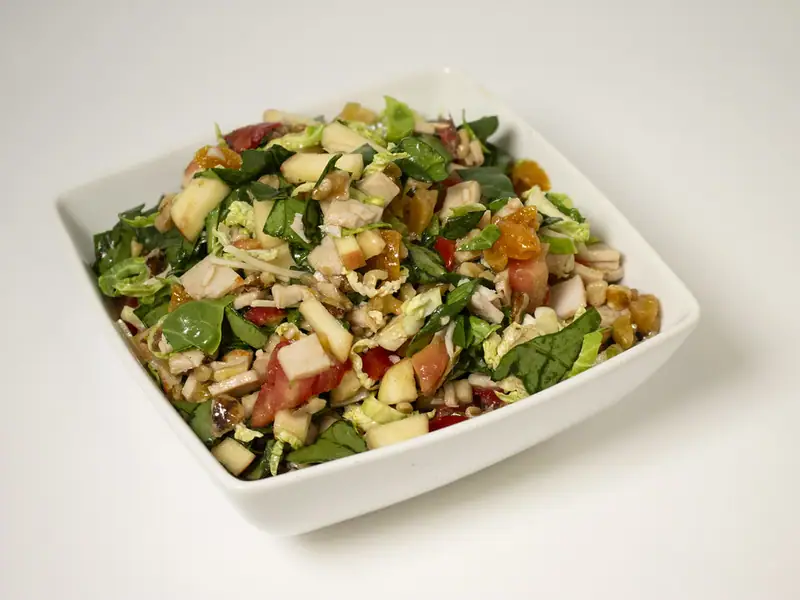
Herb-Butter Roast Turkey
A dry-brined, herb-buttered turkey that comes out with crisp skin and breast meat that is actually juicy…

Herb Roasted Turkey
A whole turkey rubbed with herb butter, stuffed with lemon, onion and garlic, and roasted until golden with a pan…

Slow Cooker Turkey Breast
A bone-in turkey breast rubbed with herb butter and slow cooked on low for 5 hours until juicy, with a quick gravy…
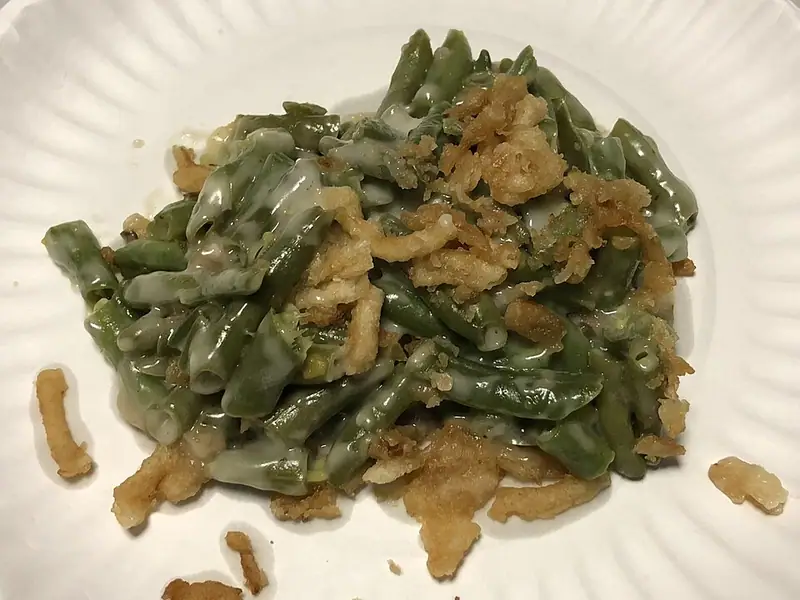
Green Bean Casserole
The Thanksgiving standard rebuilt from ingredients rather than tins: a real mushroom velouté, blanched beans that…
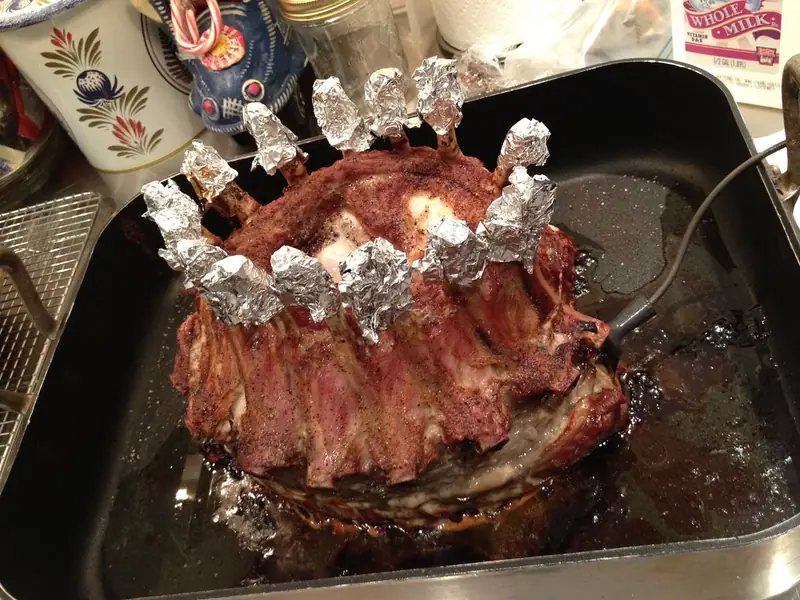
Crown Roast of Pork
Two racks of pork tied into a crown and roasted with a sage and apple stuffing in the centre, carved into individual…

Air Fryer Turkey Breast
A boneless turkey breast rubbed with butter and herbs, air fried for 50 minutes and rested until juicy, with crisp…