Rajma Masala
Kidney beans simmered in a thick onion-tomato masala until the gravy is dark and the beans give under a spoon. Served with rice, it is the Sunday lunch of Punjabi and Delhi households, and the definition of comfort food.
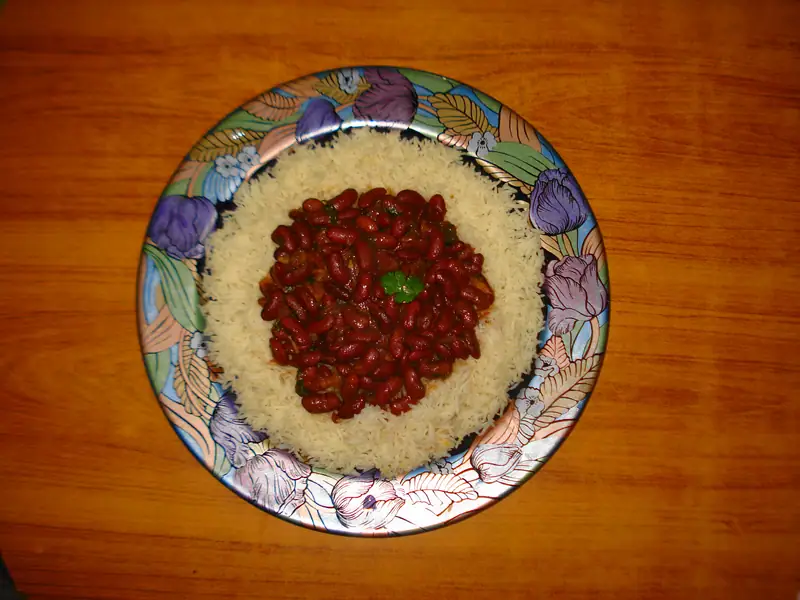
Photograph credit: Rajma. by Miansari66 · CC0 1.0 · Wikimedia
Where This Goes Wrong
Never skip the soak, and never use the soaking water. Both matter for digestibility and flavour.
Tinned beans work in a hurry: use 2 x 400 g tins, rinsed, and simmer for 15 minutes with 400 ml water.
The beans should be soft enough to mash but still whole. Undercooked rajma is unpleasant and hard to digest.
Cooking Rajma Masala
Tap a step to highlight it, or turn on Cook Mode for large type and step-by-step focus.
-
Drain the soaked beans and boil them in fresh water with a teaspoon of salt for 45 to 60 minutes, or pressure cook for 20 minutes, until they crush easily between finger and thumb. Reserve the cooking liquid.
-
Heat the ghee (or neutral oil), add the cumin seeds, bay and black cardamom, and fry 30 seconds until they crackle.
-
Add the onions and fry 12 minutes over medium heat until deep golden brown — this is where the colour of the finished dish comes from.
-
Add the ginger-garlic paste and green chillies and cook 2 minutes.
-
Add the chilli powder, coriander, cumin and turmeric, stir for 20 seconds, then pour in the tomato purée.
-
Cook 12 to 15 minutes, stirring regularly, until the masala darkens, thickens and the ghee (or neutral oil) pools at the edges.
-
Add the beans with 500 ml of their cooking liquid and the salt. Simmer, partly covered, for 25 minutes.
-
Mash about a quarter of the beans against the side of the pot and stir them back in to thicken the gravy.
-
Finish with garam masala, amchur and coriander, swirl in the cream if using, and serve over rice.
Related guides: Prep, cook and total time · Ingredient substitutions.
Something wrong or unclear in this recipe? Report a problem with this recipe.
Why the Method Works
Some of the beans are mashed against the side of the pot and stirred back in, which thickens the gravy with bean starch rather than flour and gives rajma its characteristic body. Cooking the masala until the oil visibly separates is the traditional doneness test and marks the point where the raw tomato flavour has fully cooked out.
After You've Cooked It
Refrigerate up to 4 days and freeze 3 months. It thickens on standing; loosen with hot water when reheating.
Ingredient Swaps
- Dried chilli flakes can stand in for the green chillies. Heat varies a great deal between chillies and between jars, so start with a small pinch and add more to taste.
- If you only have ground ginger, a quarter-teaspoon for each tablespoon of fresh is the ratio usually given; it tastes warmer and less bright than the fresh root.
- An eighth of a teaspoon of garlic powder per clove is the stand-in usually given when you are out of fresh garlic; it will not brown the same way, and it burns easily, so add it with the liquid.
What to Serve Alongside
- Plain steamed basmati rice — rajma chawal is the only correct pairing
- Sliced onion with lemon
- Plain yoghurt
Sides from the same cuisine on this site: Chapati (Roti), Gluten-Free Naan, Idiyappam.
Questions and Answers
How long does Rajma Masala take to make?
15 minutes of preparation and 1 hour 10 minutes to 1 hour 55 minutes of cooking, plus 8 hours of soaking, so allow 9 hours 25 minutes to 10 hours 10 minutes from start to finish. The recipe serves 4.
The Numbers per Serving
No nutrition figures are given for this recipe: they cannot be worked out reliably from its ingredient list (some ingredient lines cannot be read). Why some recipes have none.
Vegan when made with neutral oil rather than ghee and made without the cream. Dairy-free when made with neutral oil rather than ghee and made without the cream.
Your notes on this recipe
Cooked this? Keep a note for next time
Compiled by Turab
Checked by script for timings, diet labels and nutrition arithmetic. How the recipes are checked. Found a mistake? Tell us.
First published ; last changed .
You Might Also Like
More Indian cooking and healthy ideas from Weekly Delight.

Instant Pot Chana Masala
Dried chickpeas pressure-cooked from dry, with no soaking, in a tomato, onion and spice sauce until soft and thick.

Kala Chana
Dried black chickpeas soaked and simmered until tender, then cooked in a tomato and onion masala with roasted cumin…
Chana Masala
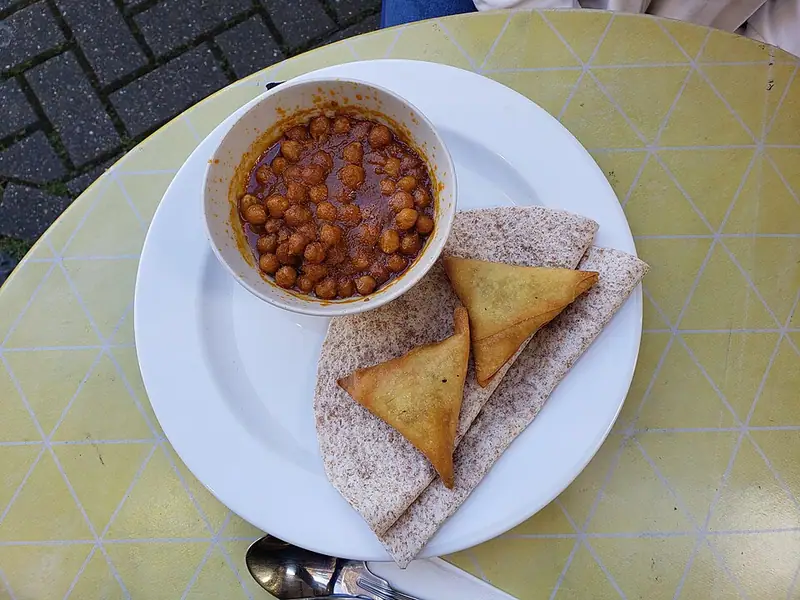
A punchy North Indian chickpea curry, sour with amchur and tamarind and darkened by a long-fried onion base…
Dal Tadka
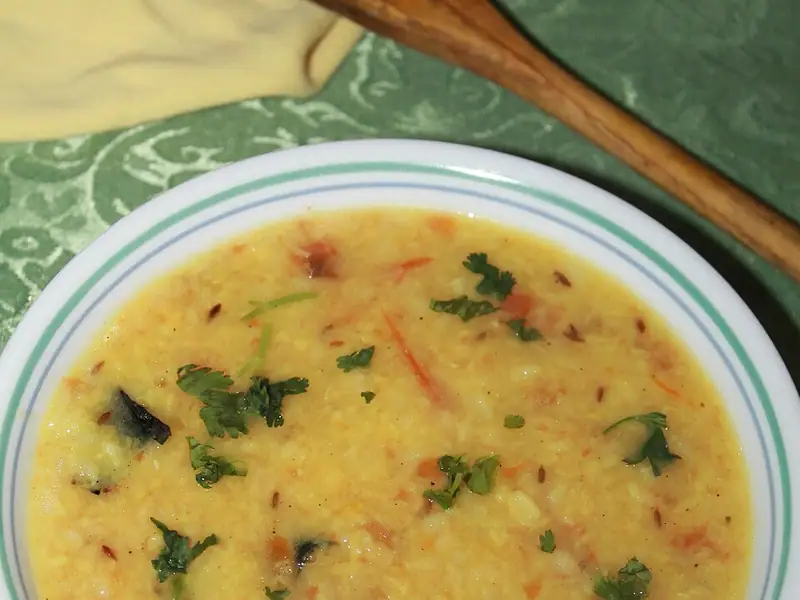
Yellow lentils simmered soft, then finished with a tadka — whole spices bloomed in ghee and poured over at the last…

Bhindi Fry
Okra pieces cooked with sliced onion, turmeric and amchur in a hot pan until dry, tender and not slimy.

Frijoles de la Olla
Pinto beans simmered slowly in a pot with onion, garlic and herbs until creamy, served in their own broth.